
Home Improvement
The Ultimate Guide to Bathroom Vanity Cabinet Design for Modern Homes

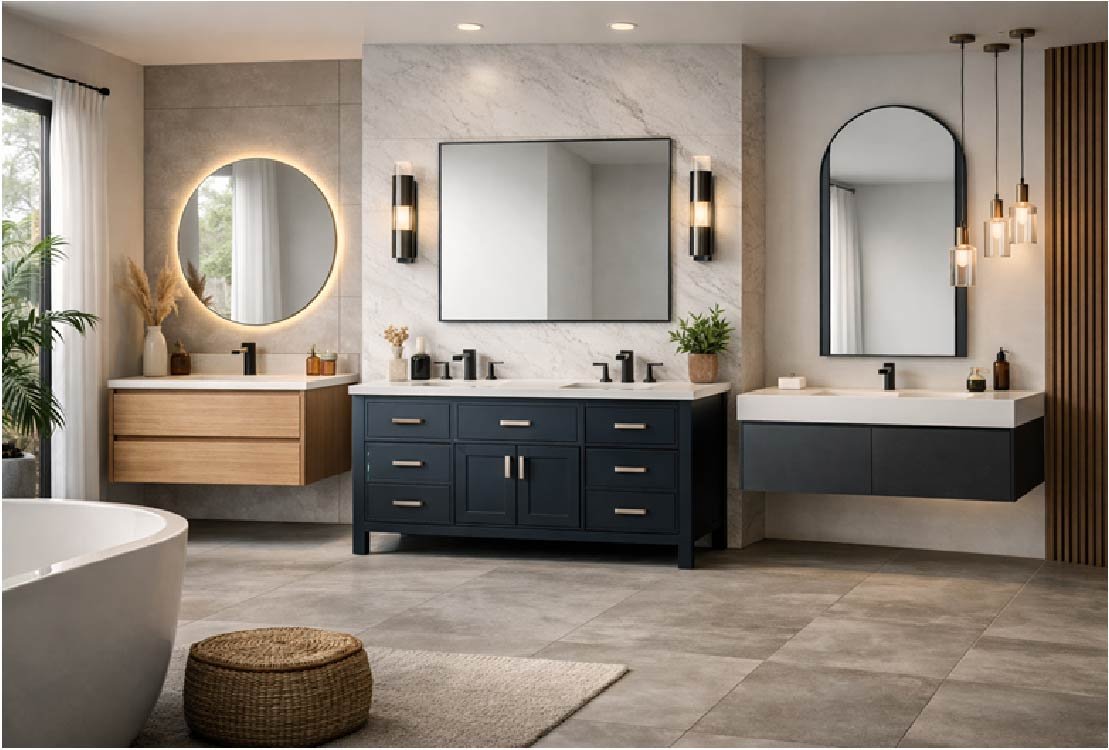
Why Has Bathroom Vanity Cabinet Design Become a Strategic Design Decision?
Not long ago, bathroom cabinets were treated as purely functional storage boxes. Today, bathroom vanity cabinet design has evolved into a strategic design element that influences user experience, property value, sustainability goals, and even construction timelines.
For business owners, architects, engineers, and tech decision-makers, the modern bathroom is no longer an afterthought; it’s a space where design precision meets digital planning. With rising urban density in the UK and USA, shrinking floor plans, and growing demand for premium interiors, vanity cabinets now need to balance aesthetics, ergonomics, and manufacturability.
According to a recent housing trends report by Houzz, over 60% of homeowners prioritise bathroom upgrades when renovating, with storage efficiency and modern cabinetry ranking among the top concerns. This shift is pushing designers and builders to rely heavily on CAD-driven bathroom cabinet planning to avoid costly rework and installation conflicts.
What Defines a Modern Bathroom Vanity Cabinet Today?
Modern design is no longer about minimalism alone. In today’s context, modern bathroom cabinet designs are defined by how intelligently they respond to space, user behaviour, and long-term maintenance.
Key characteristics include:
- Clean lines with concealed hardware
- Smart storage layouts based on real user habits
- Moisture-resistant materials with long life cycles
- Seamless integration with plumbing and lighting
- CAD-validated dimensions for precise installation
From a drafting perspective, vanity cabinets are increasingly designed as modular systems, allowing flexibility across residential, hospitality, and mixed-use developments.
A study by Statista highlights that the global bathroom furniture market is projected to grow steadily through 2030, driven largely by custom cabinetry and smart storage solutions, a trend especially visible in UK and US urban housing projects.
Why Are Wall Mounted Bathroom Cabinet Designs So Popular?
One of the fastest-growing trends in bathroom interiors is wall mounted bathroom cabinet designs, and the reasons go far beyond visual appeal.
So, why are designers and developers choosing wall-mounted vanities?
- They create the illusion of more floor space
- Easier cleaning and better hygiene standards
- Ideal for compact UK apartments and city homes
- Compatible with modern under-cabinet lighting
- Allow flexible height adjustments for accessibility
From a CAD and drafting standpoint, wall-mounted designs require extreme dimensional accuracy. Load calculations, wall substrate details, anchor points, and plumbing coordination must be resolved digitally before manufacturing begins.
This is where professional CAD workflows reduce site-level risks especially in large-scale or multi-unit projects where repetition amplifies errors.
How Does CAD Design Improve Bathroom Vanity Cabinet Accuracy?
Bathroom cabinetry may look simple on the surface, but behind every clean installation is a complex design process. CAD design and drafting play a critical role in ensuring bathroom vanity cabinet design is buildable, scalable, and compliant.
CAD adds value by enabling:
- Precise alignment with plumbing and drainage layouts
- Clash detection between cabinetry, walls, and fixtures
- Accurate material take-offs for cost control
- Visualisation for client approvals before production
- Faster design iterations without site disruptions
According to Autodesk industry insights, design errors detected during construction can cost 10x more than those resolved during the digital design phase. This is why forward-thinking developers in the UK and USA are investing earlier in high-quality cabinet CAD drafting.
What Are the Biggest Design Challenges in Bathroom Vanity Cabinets?
Despite advanced tools, bathroom vanity cabinet design still comes with unique challenges especially in modern homes where space is limited and expectations are high.
Common challenges include:
- Tight tolerances due to compact layouts
- Moisture exposure, requiring careful material detailing
- Inconsistent site conditions, especially in renovations
- Coordination gaps between interior designers, plumbers, and fabricators
- Last-minute changes from clients or stakeholders
These issues often surface when design documentation lacks detail or isn’t standardised. CAD-based workflows help eliminate ambiguity by translating creative intent into clear, build-ready drawings.
How Are Smart Storage and Customisation Changing Cabinet Design?
Modern homeowners and commercial users expect more from storage than shelves and drawers. Today’s modern bathroom cabinet designs are driven by usage patterns and data-informed layouts.
Popular features now include:
- Drawer organisers based on personal care routines
- Integrated power points for grooming devices
- Soft-close systems to reduce wear and noise
- Hidden compartments for minimal aesthetics
- Sensor-based lighting within vanity units
From a design and drafting perspective, these features demand higher detailing accuracy, especially when coordinating electrical, mechanical, and joinery elements in a single unit.
Why Sustainability Matters in Bathroom Cabinet Design Decisions?
Sustainability is no longer a marketing checkbox, it’s a procurement requirement across the UK, USA, and Europe.
According to UK Green Building Council insights, interior components with low VOC materials and long service life significantly improve a building’s sustainability rating.
In bathroom vanity cabinet design, sustainability shows up through:
- Efficient material usage enabled by CAD nesting
- Reduced manufacturing waste
- Durable finishes that lower replacement frequency
- Design standardisation across multiple units
- Lifecycle-based material selection
Digital drafting allows teams to simulate outcomes before production, helping align design intent with environmental goals.
How Do Bathroom Interior Design Services Integrate Cabinet Planning?
Professional bathroom interior design services no longer work in isolation. They increasingly collaborate with CAD teams, manufacturers, and contractors from day one.
This integrated approach ensures:
- Cabinets align with overall interior themes
- Dimensions match real-world site constraints
- Installation timelines stay predictable
- Client approvals happen earlier in the process
For developers and decision-makers, this reduces friction across the project lifecycle and delivers consistent results especially in repeatable housing or hospitality projects.
What Opportunities Exist for Businesses in the CAD-Driven Cabinet Market?
For startups, manufacturers, and design-led businesses, the demand for digitally precise bathroom cabinetry opens up real opportunities:
- Offering custom vanity solutions at scale
- Reducing turnaround time through CAD automation
- Serving international clients with standardised drawings
- Supporting prefabrication and off-site manufacturing
- Improving margins by reducing rework and errors
The UK and US markets, in particular, are seeing increased reliance on outsourced CAD design partners to meet tight schedules without compromising quality.
What Does the Future Hold for Bathroom Vanity Cabinet Design?
Looking ahead, the future of bathroom vanity cabinet design will be shaped by:
- AI-assisted layout optimisation
- Parametric cabinet families for faster design
- Greater use of BIM-compatible cabinetry models
- Smart materials with improved moisture resistance
- Deeper integration between design and manufacturing
As homes become smarter and more compact, vanity cabinets will continue to evolve from static furniture pieces into digitally engineered interior systems.
Final Thoughts:
Bathroom vanity cabinet design sits at the intersection of aesthetics, engineering, and technology. For architects, engineers, and business leaders, the real advantage lies in embracing CAD-driven design thinking early in the process.
By combining thoughtful design with accurate drafting, modern bathroom cabinets can deliver better user experiences, smoother installations, and stronger long-term value.
In conclusion, many UK-based CAD design companies are now helping global clients turn complex bathroom cabinet concepts into precise, production-ready designs supporting the growing demand for modern, functional, and scalable interior solutions without compromising creativity.
FAQs
What is bathroom vanity cabinet design and why does it matter in modern homes?
Bathroom vanity cabinet design refers to the planning, structure, and layout of bathroom storage units that combine sinks, drawers, and cabinetry. In modern homes, it matters because space is limited, user expectations are higher, and precision design improves functionality, aesthetics, and long-term durability especially in UK and US urban housing projects.
What are the most popular modern bathroom cabinet designs today?
The most popular modern bathroom cabinet designs include wall-mounted vanities, handle-less drawers, floating cabinets, integrated lighting, and moisture-resistant materials. These designs focus on clean lines, efficient storage, and seamless integration with contemporary bathroom layouts.
Why are wall mounted bathroom cabinet designs ideal for small bathrooms?
Wall mounted bathroom cabinet designs are ideal for small bathrooms because they free up floor space, improve visual openness, and make cleaning easier. They are especially popular in UK apartments and compact US homes where efficient space utilisation is essential.
How does CAD design improve bathroom vanity cabinet accuracy?
CAD design improves bathroom vanity cabinet accuracy by allowing precise dimensioning, clash detection with plumbing, and detailed material planning before manufacturing. This reduces installation errors, rework, and delays making CAD essential for modern residential and commercial bathroom projects.
What role do bathroom interior design services play in cabinet planning?
Bathroom interior design services ensure vanity cabinets align with the overall layout, lighting, plumbing, and user needs. When combined with CAD drafting, these services help create functional, visually cohesive, and build-ready bathroom spaces for residential and commercial properties.
What materials are best for modern bathroom vanity cabinets in the UK and USA?
The best materials for modern bathroom vanity cabinets in the UK and USA include moisture-resistant MDF, marine plywood, solid surface laminates, and engineered wood with water-resistant coatings. These materials perform well in humid environments and meet durability standards for long-term use.
Are custom bathroom vanity cabinet designs worth the investment?
Yes, custom bathroom vanity cabinet designs are worth the investment because they maximise storage, fit exact dimensions, and support unique interior styles. With CAD-based planning, custom cabinets can be produced efficiently while reducing waste, errors, and installation risks.

Nano Banana 2 Review: How This New AI Image Generator Performs Inside Dzine in 2026

How do bathroom design services help avoid costly renovation mistakes?

The Various Relay Sockets and What Advantages They Offer

The Benefits of Online Healthcare for New Parents

Fair Yieldwick: An Independent Analytical Assessment of Its AI-Driven Investment Architecture and Performance Credentials

What Are the Key Steps in Designing Your Dream Home?

Why Enterprises Are Exploring Crypto and Blockchain Solutions

Is DeepSeek Down? A Complete Guide to Checking DeepSeek Website Status

Commercial Electricians in London & South East: Powering Businesses Safely

The Changing Face of North East Landscaping Services

TabooTube Explained: The Powerful Platform for Unfiltered Content

SSIS 469: Fixing SQL Data Errors in ETL Workflows

content://cz.mobilesoft.appblock.fileprovider/cache/blank.html: Explained with Powerful Insights

Scrolller Explained: The Powerful Way to Browse Reddit Images

Zavalio com Explained: The Ultimate Truth You Must Know

adswynk com: Monetize Links With Smart Ads in 2025

Deshoptec com Review: Powerful Truth About This Online Store

Milohacherry Coin Explained: The Powerful Lifestyle Crypto Rewarding Travel & Fitness

Novafork: The Best Free Streaming Site for Movies, Shows & Anime

kz43x9nnjm65: The Smart Code Transforming Digital Technology
-
 Blog4 months ago
TabooTube Explained: The Powerful Platform for Unfiltered Content
-
 Blog5 months ago
SSIS 469: Fixing SQL Data Errors in ETL Workflows
-
 Blogs6 months ago
content://cz.mobilesoft.appblock.fileprovider/cache/blank.html: Explained with Powerful Insights
-
 Blog3 months ago
Scrolller Explained: The Powerful Way to Browse Reddit Images