
Blog
Kovových Explained: Powerful Guide to Metal Materials and Modern Industry

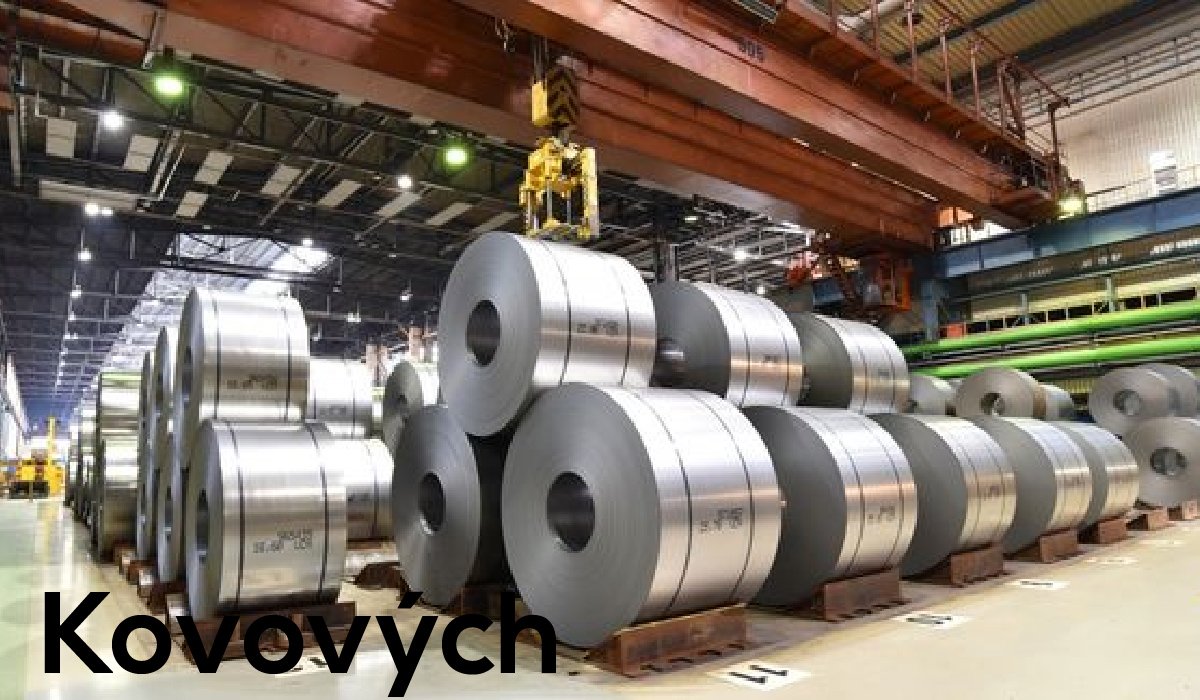
Kovových is a Czech-language term meaning “of metals” or “metallic materials,” commonly used in engineering, construction, and manufacturing. It refers to metal components and structures made from materials like steel, aluminum, or copper, which are essential in industrial systems and modern infrastructure.
Kovových is a word used to describe things made from metal. Metals are everywhere in daily life, from buildings and bridges to machines and tools. For example, a steel beam in a building or metal parts inside a car engine are Kovo vých materials. These materials are strong, durable, and useful in many industries. People use them in construction, technology, and manufacturing because they last a long time and can handle heavy work.
Kovových means materials or objects made of metal that are used in everyday life and industrial systems.
Introduction
Kovových is a term that may sound unfamiliar at first, but it represents something deeply connected to everyday life—metal and its role in modern society. Metals shape the world around us, from the buildings we live in to the machines we use every day. Despite this importance, technical terms like Kovových can often confuse people who are not familiar with engineering or industrial language. This confusion is one of the main reasons why many individuals search for the meaning of Kovo vých online.
The term is widely used in industries such as construction, manufacturing, mechanical engineering, and technology. It helps describe materials and components made from metal, which are essential for creating strong and reliable systems. Whether it is a steel bridge, an aluminum aircraft part, or copper wiring in electronics, Kovo vých materials play a vital role in modern development.
In this article, we will explore the full meaning of Kovových, its linguistic origin, the types of materials it represents, and its applications across industries. We will also discuss its advantages, challenges, and future technological developments. In this guide, we will explore everything about Kovo vých in detail.
What Does Kovových Mean?
Linguistic Origin
The term Kovových comes from the Czech root word “kov,” which means metal. The adjective “kovový” means metallic or made of metal, while “kovo vých” is the genitive plural form used to describe multiple metal objects or materials.
English Translation
In English, Kovových can be translated as “of metals,” “metallic,” or “made of metal.” These translations reflect its use in describing materials composed of metal elements.
Usage in Sentences
The term is often used in technical phrases such as kovových konstrukcí (metal structures), kovových materiálů (metal materials), and kovo vých dílů (metal parts), showing its importance in engineering language.
Czech Grammar Behind Kovových
What Is Genitive Plural?
The genitive plural form in Czech is used to indicate possession, describe materials, or refer to quantities. Kovo vých follows this rule and is used when talking about multiple metal objects or materials.
Example Sentences
Examples include phrases like the surface of metal materials or the maintenance of metal structures, where the term clearly defines the material type.
Singular vs Plural Forms
The singular form “kovový” refers to one metallic object, while “kovových” refers to multiple metal items, making Czech language more precise in technical communication.
Origin and Language Background of Kovových
The term Kovových reflects the deep connection between the Czech language and industrial development. The Czech Republic has a long history of metalworking, engineering, and manufacturing, which has influenced its vocabulary. As industries grew, technical language evolved to include precise terms like Kovo vých, allowing engineers and professionals to clearly describe materials and processes. This linguistic evolution shows how language adapts to technological progress.
Why Kovových Is Important in Modern Industry
Metals are the foundation of modern civilization, and Kovových materials are at the center of this reality. Infrastructure such as buildings, bridges, and transportation systems relies heavily on metal components. Technology, from smartphones to industrial machines, also depends on metallic materials. Without Kovo vých, many of the systems that support modern life would not exist. This global dependency highlights the importance of understanding and using metal materials effectively.
Key Characteristics of Kovových Materials
Strength and Durability
Kovových materials are known for their strength and ability to withstand heavy loads, making them essential for construction and industrial use.
Heat and Electrical Conductivity
Many metals conduct heat and electricity efficiently, which is why they are widely used in power systems and electronics.
Corrosion Resistance
Some metals are designed to resist corrosion, ensuring long-lasting performance even in harsh environments.
Flexibility and Malleability
Metals can be shaped and molded into different forms, allowing engineers to create complex structures and components.
Types of Kovových Materials
Steel
Steel is one of the most widely used metals due to its strength and versatility in construction and manufacturing.
Aluminum
Aluminum is lightweight and resistant to corrosion, making it ideal for transportation and aerospace applications.
Copper
Copper is highly conductive and is commonly used in electrical wiring and communication systems.
Titanium
Titanium offers a strong yet lightweight option, especially useful in aerospace and medical industries.
Alloys (Stainless Steel, Brass, Bronze)
Alloys combine different metals to improve performance, durability, and resistance to environmental factors.
Chemical and Material Classification of Kovových
Kovových materials can be classified into ferrous metals, which contain iron, and non-ferrous metals, which do not. Precious metals like gold and silver are valued for their conductivity and durability. Advanced alloys are engineered to meet specific industrial needs, combining properties that single metals cannot provide. This classification helps industries choose the right material for each application.
Kovových in Manufacturing and Engineering
Mechanical Engineering
Metal components are essential for building machines and mechanical systems that can handle stress and motion.
Metal Fabrication
Fabrication processes shape raw metal into usable parts through cutting, welding, and forming.
Machining & Casting
Machining and casting allow precise production of components with high accuracy.
Industrial Production
Modern factories use automation and scalable systems to produce Kovo vých materials efficiently, ensuring precision and consistency.
Applications of Kovových in Modern Industries
Construction and Infrastructure
Metal structures support buildings, bridges, and transportation systems.
Automotive Industry
Vehicles rely on metal frames and components for safety and durability.
Electronics and Technology
Metals like copper and aluminum are essential for electrical systems and devices.
Aerospace Engineering
Aircraft require lightweight and strong metals for performance and safety.
Energy Sector
Power plants and renewable energy systems depend on metal materials for efficiency.
Kovových in Architecture, Art, and Design
Kovových materials are not only functional but also aesthetic. Modern buildings use metal for sleek and innovative designs, while interior designers incorporate metal elements for style and durability. Artists use metals to create sculptures and installations that last for generations, showing the versatility of metallic materials.
Advantages of Kovo vých Materials
Kovových materials offer strength, long lifespan, recyclability, efficiency, and precision. These qualities make them ideal for industrial and everyday applications. Their durability reduces maintenance costs, while their recyclability supports sustainable practices.
Challenges and Limitations of Kovo vých
Despite their benefits, metals face challenges such as corrosion, high production costs, environmental impact, and weight. Engineers must address these issues through advanced materials and protective technologies.
Common Mistakes When Using Kovových Materials
Common mistakes include choosing the wrong material, ignoring corrosion protection, using poor welding techniques, and improper recycling. These errors can reduce performance and increase costs, highlighting the need for proper knowledge and planning.
Sustainability and Recycling of Kovových
Kovových materials play a key role in the circular economy because they can be recycled multiple times without losing quality. Recycling metals saves energy and reduces environmental impact, making them essential for sustainable development.
Innovations and Future Trends in Kovo vých Technology
Future advancements include smart metals that can change properties, self-healing alloys, nanometals with improved strength, green manufacturing processes, and 3D metal printing. These innovations will shape the future of engineering and technology.
Kovových in Everyday Life
Kovových materials are present in phones, cars, buildings, tools, and household appliances. They are essential for daily activities, making life more convenient and efficient.
Growing Online Interest in Kovo vých
The term Kovo vých is gaining popularity online as people become more interested in engineering, materials science, and industrial processes. Increased education and technological development are driving this curiosity.
Conclusion
Kovových is more than just a linguistic term; it represents the essential role of metals in shaping modern society. From construction and engineering to technology and design, metallic materials provide the strength and reliability needed for progress. Understanding Kovo vých helps bridge the gap between language and real-world applications, making it easier to appreciate the importance of metals in everyday life. As technology continues to evolve, the role of Kovo vých materials will only grow, driving innovation and sustainability across industries.
(FAQ)
What does Kovových mean?
Kovových means materials or objects made of metal and is commonly used in engineering and industrial contexts.
Where is Kovo vých used?
It is used in construction, manufacturing, engineering, and technology industries.
What are Kovových materials?
They are metals and metal-based materials like steel, aluminum, and copper used in various applications.
Why are metals important in engineering?
Metals provide strength, durability, and conductivity, making them essential for building machines and structures.
Are Kovových materials sustainable?
Yes, most metals can be recycled, making them environmentally friendly and sustainable.
For More Information, Visit Hopestech

Best Recovery Tool for UK Athletes: Why Red Light Therapy Is Changing the Game

When AI Code Generators Actually Help Python Developers

Local Security Experts Highlight Importance of Smart Home Integration

A Fresh Start With Dr MFO For Your Gender Affirmation

How Technology Is Transforming The Modern Cruise Experience

Balancing Budget and Lifestyle: A Practical Approach to Property Decisions

Navigating the Tech-Driven Evolution of Global Entertainment Platforms

5 Reasons an Online GMAT Course Is Ideal for Working Professionals

What should families expect when starting behavioral therapy?

Top Benefits of Hiring a Professional Roofing Company

TabooTube Explained: The Powerful Platform for Unfiltered Content

SSIS 469: Fixing SQL Data Errors in ETL Workflows

content://cz.mobilesoft.appblock.fileprovider/cache/blank.html: Explained with Powerful Insights

Scrolller Explained: The Powerful Way to Browse Reddit Images

Zavalio com Explained: The Ultimate Truth You Must Know

adswynk com: Monetize Links With Smart Ads in 2025

Deshoptec com Review: Powerful Truth About This Online Store

Milohacherry Coin Explained: The Powerful Lifestyle Crypto Rewarding Travel & Fitness

Novafork: The Best Free Streaming Site for Movies, Shows & Anime

Brandi Loge: The Inspiring Rise of a Bold Creative Leader
-
 Blog3 months ago
TabooTube Explained: The Powerful Platform for Unfiltered Content
-
 Blog5 months ago
SSIS 469: Fixing SQL Data Errors in ETL Workflows
-
 Blogs6 months ago
content://cz.mobilesoft.appblock.fileprovider/cache/blank.html: Explained with Powerful Insights
-
 Blog3 months ago
Scrolller Explained: The Powerful Way to Browse Reddit Images