
Lifestyle
Why Tunnel Greenhouse Grow Tents Matter in United States Operations

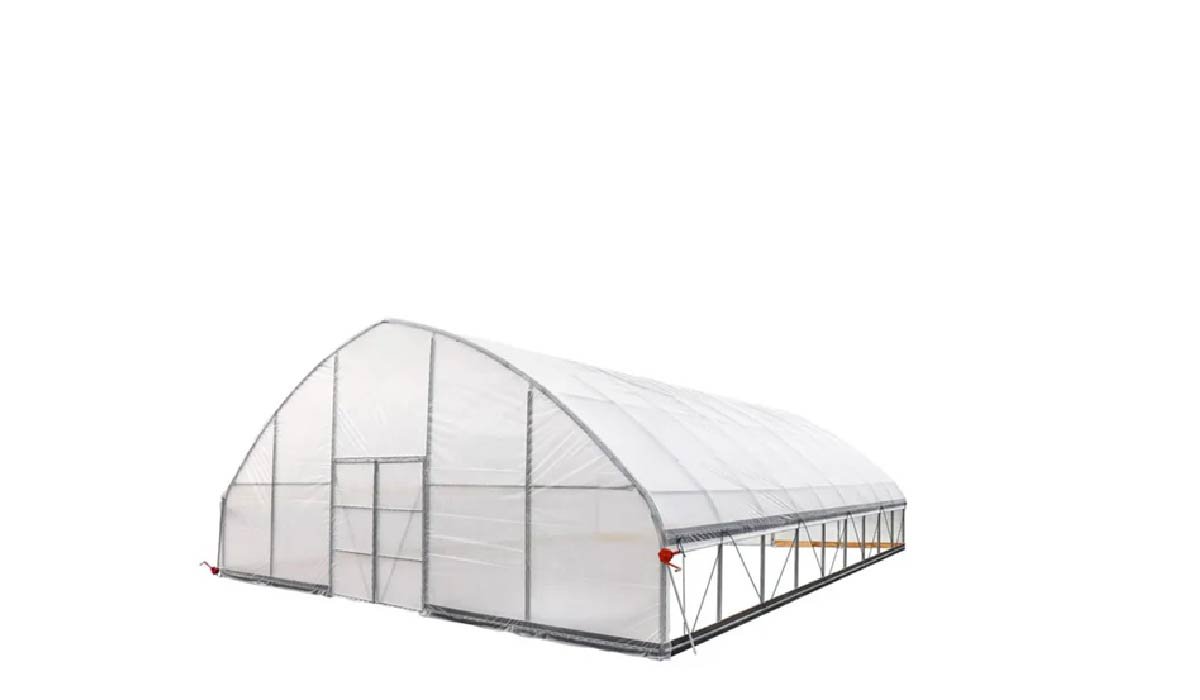
In the United States, controlled growing space has become important well beyond traditional farming. Commercial growers, landscaping suppliers, municipal operations, and industrial sites often need protected environments for seedlings, seasonal stock, and weather-sensitive plant materials. A Tunnel Greenhouse Grow Tent can support that need by creating a covered space that improves light exposure, helps manage airflow, and reduces direct weather stress on plants and growing supplies.
A product such as the Tunnel Greenhouse Grow Tent is a useful example of this structure type. In practical operations, it can serve as a protected growing zone, a staging area for horticultural materials, or a flexible work space for handling trays, irrigation supplies, and seasonal plant stock. In a market where climate variation, supply timing, and land use all affect productivity, that makes this type of structure relevant across many sectors.
Why This Structure Matters in the United States
Across the United States, growing conditions vary widely by region, but weather risk is a common challenge. Sudden temperature shifts, wind, heavy rain, and seasonal pressure on plant supply all create operational uncertainty. A tunnel greenhouse matters because it gives operators a more predictable environment for plant handling and short-term cultivation without requiring a permanent building.
Common Methods and Use Cases
Protected Growing and Early Plant Development
One of the most common uses is early-stage growing. Seedlings, flowers, herbs, and vegetable starts benefit from a structure that holds warmth more consistently than open ground while still allowing natural light to reach the crop.
Staging and Material Handling
These structures are also useful as organized staging areas for trays, carts, tools, and watering equipment. In larger operations, keeping these items under cover can reduce delays and help workers move materials more efficiently during planting and maintenance cycles.
Why Efficiency, Safety, and Productivity Matter
A greenhouse affects far more than plant growth. It changes how people work and how materials are protected. When plants and supplies are left exposed, operators often lose time to weather disruption, repeated movement, and avoidable spoilage. A defined covered structure supports more stable scheduling, cleaner workflows, and lower handling loss.
- Better control over daily growing activity
- Less weather-related disruption
- Improved layout for tools and plant stock
- Reduced unnecessary movement of materials
Technical Basics and Capability Considerations
Buyers should review frame material, cover type, ventilation method, usable floor area, and access design. In this equipment class, a large tunnel format with clear EVA plastic film and roll-up sides supports a combination of light transmission and adjustable airflow. A peak ceiling roof also matters because it affects internal height, air movement, and working comfort during planting, inspection, and routine care.
Factors That Affect Performance and Effectiveness
Performance depends on more than the structure alone. Site drainage, ground preparation, wind exposure, ventilation planning, internal layout, and cleaning routines all influence results. Even a strong greenhouse can perform poorly if standing water, poor airflow, or overcrowded layout is ignored.
Safety Considerations and Best Practices
- Install the structure on level and well-drained ground
- Inspect the frame, cover, and hardware regularly
- Keep walkways clear for workers and carts
- Manage heat and moisture through careful ventilation
- Store tools and supplies in an organized way to reduce trip hazards
Common related items include irrigation lines, shelving, trays, carts, thermometers, humidity monitors, anchoring hardware, and repair materials. These accessories help improve control and reduce avoidable handling problems, particularly when used alongside TMG Industrial structures.
Advantages, Limitations, and a Real Example
The main advantages are flexible covered growing space, useful airflow control, strong light access, and practical support for seasonal operations. The main limitations are that performance still depends on site conditions, regular maintenance, and active monitoring during changing weather.
A realistic example is a United States landscaping supplier using a tunnel greenhouse to hold plant trays and replacement stock before dispatch to job sites. Instead of leaving materials exposed in an open yard, the team gains a more stable area for watering, sorting, and short-term protection.
Conclusion
A Tunnel Greenhouse Grow Tent remains a practical tool for operations that need more control over plant handling, seasonal staging, and growing conditions. Its value comes from better protection, more organized workflow, and stronger support for efficient daily operations. Looking ahead, United States buyers are likely to place greater value on modular growing structures that improve flexibility, protect plant assets, and help teams work more safely and efficiently.

How to Fix “Error Connecting to Server” on WebRTC Video Chats

Scaling Modern Applications: A Guide to Microservices and AWS Expertise

Evaluating a Fast Turn PCB Partner for High-Frequency Applications

Why Roaming Can Be a Problem Abroad and How an eSIM Can Help

Do You Really Need a Watch Winder for Your Automatic Watch?

Why Sportswear Is No Longer Limited to Athletes

The Name Necklace Trend Is Back, But More Grown-Up

A Clearer Route to Reliable professional drain clearance and CCTV inspection

Is The High Street Bank Losing Its Grip On UK Business Loans?

TabooTube Explained: The Powerful Platform for Unfiltered Content

SSIS 469: Fixing SQL Data Errors in ETL Workflows

content://cz.mobilesoft.appblock.fileprovider/cache/blank.html: Explained with Powerful Insights

Scrolller Explained: The Powerful Way to Browse Reddit Images

Zavalio com Explained: The Ultimate Truth You Must Know

adswynk com: Monetize Links With Smart Ads in 2025

Deshoptec com Review: Powerful Truth About This Online Store

kz43x9nnjm65: The Smart Code Transforming Digital Technology

Novafork: The Best Free Streaming Site for Movies, Shows & Anime

Milohacherry Coin Explained: The Powerful Lifestyle Crypto Rewarding Travel & Fitness
-
 Blog10 months ago
TabooTube Explained: The Powerful Platform for Unfiltered Content
-
 Blog12 months ago
SSIS 469: Fixing SQL Data Errors in ETL Workflows
-
 Blogs1 year ago
content://cz.mobilesoft.appblock.fileprovider/cache/blank.html: Explained with Powerful Insights
-
 Blog10 months ago
Scrolller Explained: The Powerful Way to Browse Reddit Images