
Tech
How 800+ Verified Startups Changed the Way I Think About Saas Revenue Model

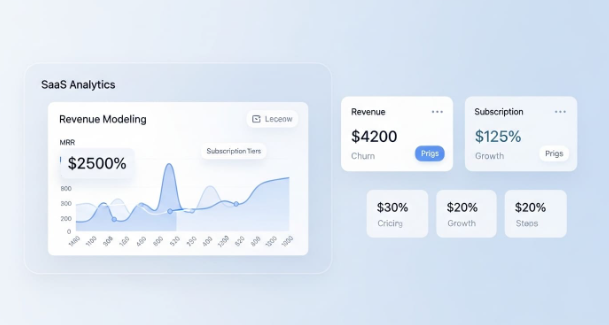
A New Lens on SaaS Growth After Studying Real Data
When you look at a bunch of real startups rather than theories, your whole knowledge of the saas revenue model starts to change. It passed 800+ certified startups with real sales figures after vetting them. Patterns became clear, assumptions were challenged, and many “universal truths” often began to be broken down by SaaS.
The biggest realization turned out to be easy: the SaaS revenue model isn’t always a standard structure. It is a versatile tool developed primarily based on customer behavior, price psychology and product positioning. What works for one startup often fails for any one, even within the same niche.
The Myth of a Single Winning SaaS Formula
Before diving into actual startup facts, it’s easy to assume that there can be a “perfect” SaaS revenue model that guarantees completion. Many founders copy the pricing pages or sales structures of successful companies, hoping to replicate the results. But studying 800+ startups showed otherwise.
There is no universal system. Some startups thrive on low-cost subscriptions, just as others scale quickly with higher price tags and system plans. SaaS revenue release research depends on target market, product complexity, and time to market.
Subscription Pricing Is Only One Piece of the Puzzle
Most people think of SaaS as just a monthly subscription, but the real global data suggests a much broader picture. The SaaS revenue models typically include hybrid pricing techniques such as freemium improvements, usage-based billing, and one-time onboarding costs .
Of the 800+ startups analyzed, people with bendy pricing structures often confirmed more powerful long-term retention. This shows that a good SaaS sales pitch isn’t always rigid, but adapts to the buyer’s preferences and usage style.
The Power of Tiered Revenue Systems
One of the most powerful styles invented became the dominance of tiered pricing. Almost every scalable startup had certain scales of the tier structure in their SaaS revenue model that allowed them to serve a couple of customer segments without delay .
Layering systems create herb upgrade pathways that dramatically increase incremental revenue. As a result, customers don’t just survive – they thrive with the product. A properly designed SaaS monetization release uses points to maximize lifetime fees without increasing acquisition costs.
Expansion Revenue Is a Hidden Growth Engine
An unexpected realization from the records changed the meaning of development sales. Many founders are very conscious of acquiring new customers but ignore how many existing customers contribute to the SaaS revenue model over the years.
Successful startups consistently increased revenue through upsells, add-ons, and usage growth. This is how the most powerful SaaS revenue generators are not often acquired, but also often deepen the value of current customers.
Churn Shapes the Entire Revenue Structure
Another essential issue that affects the SaaS revenue model is churn. Even startups with strong acquisitions struggled while retention was weak. High churn silently destroys a temporary revenue boom.
The high-performing businesses within the dataset treated churn as a core metric, not an afterthought. They’ve adjusted pricing, onboarding, and product enjoyment to make their saas revenue model a force from the ground up.
Usage Based Pricing Is Quietly Rising
An evolving trend among 800+ startups is usage-based pricing. Instead of a regular membership, many groups now charge a fee based entirely on income. This shift transforms the traditional saas revenue model into something extra dynamic.
Usage-based systems balance fees with value, making scaling less complex for customers. At the same time, it gives access to startups to definitely increase revenue by increasing customer adoption. This makes the SaaS revenue model extra elastic and responsive.
Enterprise Customers Change Everything
An important point of contention became how organizational customers dramatically impact SaaS sales output. A small number of commercial enterprise customers regularly contributed a disproportionate percentage of sales compared to many smaller customers.
This creates a dual structure where startups balance SMB and organization strategies. The most successful SaaS sales enablement designs separate pricing sense for each step, ensuring each is scalable and consistent.
Freemium Isn’t Always Free Growth
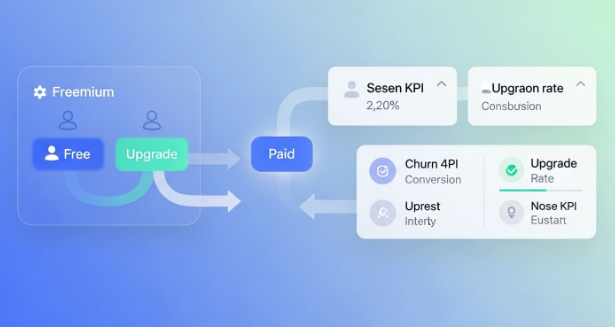
Freemium models are often seen as growth hacks, however, the facts tell a more nuanced story. Many startups struggled to convert users into paying customers using freemium, which weakened their SaaS revenue model effectiveness.
But when freemium was paired with strong onboarding and easy upgrade triggers, it was amazingly effective. The availability of freemiums depends mainly on how well it fits into the saas revenue model. With subscription pricing strategies and regular sales optimization, conversions will definitely improve, especially when supported by incremental pricing matches .
The Role of Product-Led Growth in Revenue Design
The product-led boom (PLG) emerged as a primary driver of modern SaaS success. Instead of relying on income groups, the product drives adoption and revenue expansion. This approach is massively transforming the sales enablement of SaaS.
In companies that have PLG, users experience costs before paying, which will increase conversion rates. This creates a standalone SaaS revenue stream where product usage is naturally monetized.
Revenue Packaging Is More Important Than Pricing Itself
One of the strongest patterns from the analysis of 800+ startups is that how you bundle pricing is often extra important than the rate point itself. Providing scale in a SaaS revenue model can fully offset conversion costs even if the numbers stay the same.
Startups that group features intend clear, final outcomes based entirely higher than those that list raw features. This suggests that the saas revenue model is tightly motivated by perceived cost, rather than cost alone. Customers don’t buy features – they buy readability and impact.
Hidden Revenue Comes From Feature Boundaries .
Another key concept is how functional constraints quietly lead to an uptick in energy sales. Successful startups clearly design their SaaS monetization offerings with intentional barriers between free, native, and top-class features to drive improvement
Instead of pushing users aggressively, those usage friction guides allow improvements. This subtle technique makes the SaaS monetization model feel more herbal and less pressured while increasing acceptance and conversion rates as true
Timing of Monetization Impact Growth Speed
Timing plays a key role in how SaaS sales enablement works. Some startups make money too quickly and lose customers, just as others wait too long and miss revenue opportunities. Balance is delicate but extremely important.
Maximum success groups support monetization of perceived fees until then, not right now after registration. This schedule strengthens the SaaS sales release by helping to align payments with user satisfaction and product dependencies.
Pricing Psychology Matters More than Numbers
An unmarked assumption from the analysis was converted to the psychological factor at pricing. The structure of the pricing pages encouraged more conversions than the actual price points in many cases.
Small configuration decisions—such as anchor plans, highlighted layers, and feature frameworks—had key impacts on the overall performance of the SaS sales model This shows that sales isn’t always just math; it is also perception and behavior.
Data-Driven Iteration Is the Real Advantages
The most powerful startups weren’t the ones with perfect pricing from day one. Instead, they continuously tested and refined their saas revenue model based on real customer data.
They handled pricing as a housing tool. Each adjustment—in the form of layer by layer boundary packing or not—was supported using information. This iterative mindset is what ultimately separates a successful organization from struggling ones.
Conclusion
After studying 800+ startups, one truth becomes clear: the saas revenue model is not always static. It is constantly evolving with market conditions, customer behavior and product maturity.
The biggest hit founders are not individuals who initially choose the “right” model, however individuals who adapt it over time. Whether it’s subscription, usage-based pricing, or a hybrid structure, SaaS revenue generation is ultimately often about flexibility, experimentation, and learning from real-world information .

Do You Really Need a Watch Winder for Your Automatic Watch?

Why Sportswear Is No Longer Limited to Athletes

The Name Necklace Trend Is Back, But More Grown-Up

A Clearer Route to Reliable professional drain clearance and CCTV inspection

Is The High Street Bank Losing Its Grip On UK Business Loans?

How Engineering Firms Are Using Technology to Deliver Faster Projects

Why Elasticated Waists Have Stopped Being the Thing Nobody Admits They Own

Magnific for Enterprise: How Global Brands Are Using AI Creative Production at Scale

Micro-Soldering Tools and iPhone Motherboard Repair: A Complete Guide

UK Management College Celebrates 10 Years of Excellence with Landmark SummerFest 2026 at Heaton Park

TabooTube Explained: The Powerful Platform for Unfiltered Content

SSIS 469: Fixing SQL Data Errors in ETL Workflows

content://cz.mobilesoft.appblock.fileprovider/cache/blank.html: Explained with Powerful Insights

Scrolller Explained: The Powerful Way to Browse Reddit Images

Zavalio com Explained: The Ultimate Truth You Must Know

adswynk com: Monetize Links With Smart Ads in 2025

Deshoptec com Review: Powerful Truth About This Online Store

kz43x9nnjm65: The Smart Code Transforming Digital Technology

Novafork: The Best Free Streaming Site for Movies, Shows & Anime

Milohacherry Coin Explained: The Powerful Lifestyle Crypto Rewarding Travel & Fitness
-
 Blog9 months ago
TabooTube Explained: The Powerful Platform for Unfiltered Content
-
 Blog11 months ago
SSIS 469: Fixing SQL Data Errors in ETL Workflows
-
 Blogs12 months ago
content://cz.mobilesoft.appblock.fileprovider/cache/blank.html: Explained with Powerful Insights
-
 Blog9 months ago
Scrolller Explained: The Powerful Way to Browse Reddit Images