
Tech
What Makes Drone Power Systems More Reliable and Efficient

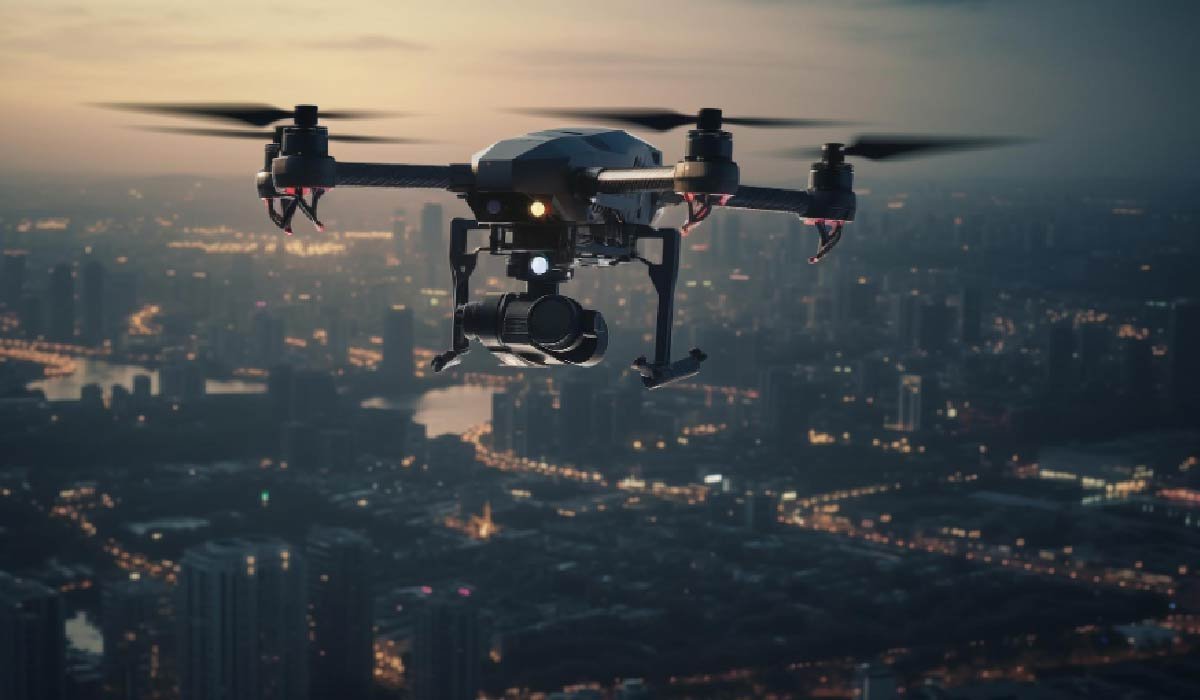
Drone performance depends on much more than camera quality, flight modes, or frame design. At the center of every stable, responsive, and efficient drone is a well-matched power system. Motors, propellers, batteries, ESCs, and flight controllers must work together as one balanced setup. When one component is poorly selected, the entire aircraft can suffer from reduced flight time, unstable handling, overheating, or limited lifting capacity.
For hobby pilots, builders, and professionals, understanding how drone power systems work is essential. Whether the goal is smooth aerial photography, fast FPV racing, agricultural mapping, or custom payload delivery, the right combination of parts determines how confidently a drone performs in real-world conditions.
Why the Motor System Matters in Drone Performance
The motor system is responsible for converting electrical energy into thrust. This sounds simple, but in practice, motor choice affects nearly every part of the flight experience. A drone with underpowered motors may struggle to lift off, react slowly to control inputs, or drain its battery too quickly. A drone with oversized motors may add unnecessary weight and reduce efficiency.
The best setup is not always the most powerful one. It is the one that matches the drone’s size, weight, propeller type, battery voltage, and intended use. For example, a racing drone needs fast response and high RPM, while a camera drone benefits more from smooth, efficient, and vibration-controlled operation.
For builders upgrading or repairing their aircraft, choosing the right brushless motor can improve thrust, flight stability, battery efficiency, and overall reliability when it is properly matched with the frame, propellers, and ESC rating. This makes the motor one of the most important components in any drone powertrain.
Key Factors That Influence Choice
Several technical details help determine whether a motor is suitable for a specific drone build. The most important include size, KV rating, voltage compatibility, thrust output, and mounting pattern.
The size usually indicates the stator dimensions. Larger motors can generally produce more torque, which helps when spinning larger propellers or lifting heavier drones. Smaller motors are lighter and better suited for compact drones or lightweight FPV builds.
KV rating shows how many revolutions per minute the motor produces per volt without a load. A higher KV rating usually works with smaller propellers and faster drones. A lower KV rating is better for larger propellers, heavier frames, and more efficient cruising.
Matching Motors with Propellers and Batteries
A drone motor cannot be chosen in isolation. It must be paired correctly with propellers and batteries. These three components directly influence each other.
Larger propellers require more torque and often work better with lower-KV motors. Smaller propellers can spin faster and are commonly paired with higher-KV motors. Battery voltage also matters because higher voltage can increase RPM and power output, but only if the motor and ESC are rated to handle it.
A mismatch can cause several problems:
- Motors may overheat during flight.
- ESCs may fail under excessive current.
- Batteries may drain too quickly.
- The drone may vibrate or respond poorly.
- Flight time may become much shorter than expected.
The safest approach is to check manufacturer thrust data, recommended propeller sizes, and current draw charts before buying or installing new parts.
Practical Example of Component Matching
A small 5-inch FPV drone usually uses high-KV motors designed for quick acceleration and agile movement. A larger cinematic drone, on the other hand, may use lower-KV motors with larger propellers to create smoother lift and longer flight time.
This difference shows why “more power” is not always the correct answer. A drone used for filming should prioritize stability, low vibration, and predictable throttle response. A racing drone should prioritize speed, fast motor response, and durability after crashes.
Common Motor Types and Use Cases
Different drone categories require different motor setups. The table below shows how motor characteristics often vary by use case.
| Type | Typical Priority | Best For | Main Consideration |
| FPV racing drones | High RPM and fast response | Speed, agility, sharp turns | Heat control and crash durability |
| Cinematic drones | Smooth torque and stability | Video recording, slow controlled flight | Low vibration and efficiency |
| Long-range drones | Efficiency and low current draw | Extended flights, exploration | Battery life and propeller balance |
| Heavy-lift drones | High torque and strong thrust | Payloads, industrial use | Motor size, ESC rating, cooling |
| Training drones | Durability and affordability | Beginners and practice | Easy replacement and simple setup |
How ESCs Support the System
Electronic Speed Controllers, or ESCs, manage the power delivered from the battery to the motors. They control motor speed based on signals from the flight controller. Even if a drone has excellent motors, poor ESC selection can limit performance or create reliability issues.
ESCs must support the maximum current draw of the motors. If the ESC rating is too low, it can overheat or fail during aggressive throttle use. Builders should leave some safety margin instead of choosing an ESC that barely meets the motor’s peak current requirement.
Signs That a Drone Motor Needs Replacement
Drone motors are durable, but they do wear out or become damaged. Crashes, dust, moisture, overheating, and worn bearings can all affect performance. Ignoring early signs of motor trouble may lead to unstable flight or sudden failure in the air.
Common warning signs include:
- Unusual grinding or clicking sounds.
- Excessive heat after short flights.
- Visible damage to the bell or shaft.
- Reduced thrust from one arm.
- Strong vibration during throttle.
- Motor not spinning smoothly by hand.
- Burnt smell after flight.
If one motor behaves differently from the others, it should be inspected before the next flight. In many cases, replacing a damaged motor is safer than trying to continue flying with unreliable hardware.
Final Thoughts
Drone power systems work best when every component is selected as part of a complete setup. Motors, ESCs, propellers, and batteries all influence each other, so balance matters more than choosing the strongest individual part.
For beginners, the safest approach is to follow tested combinations and manufacturer recommendations. For advanced builders, small adjustments in motor KV, propeller size, or battery voltage can fine-tune performance for speed, endurance, stability, or lifting power.

Evaluating a Fast Turn PCB Partner for High-Frequency Applications

Why Roaming Can Be a Problem Abroad and How an eSIM Can Help

Do You Really Need a Watch Winder for Your Automatic Watch?

Why Sportswear Is No Longer Limited to Athletes

The Name Necklace Trend Is Back, But More Grown-Up

A Clearer Route to Reliable professional drain clearance and CCTV inspection

Is The High Street Bank Losing Its Grip On UK Business Loans?

How Engineering Firms Are Using Technology to Deliver Faster Projects

Why Elasticated Waists Have Stopped Being the Thing Nobody Admits They Own

Magnific for Enterprise: How Global Brands Are Using AI Creative Production at Scale

TabooTube Explained: The Powerful Platform for Unfiltered Content

SSIS 469: Fixing SQL Data Errors in ETL Workflows

content://cz.mobilesoft.appblock.fileprovider/cache/blank.html: Explained with Powerful Insights

Scrolller Explained: The Powerful Way to Browse Reddit Images

Zavalio com Explained: The Ultimate Truth You Must Know

adswynk com: Monetize Links With Smart Ads in 2025

Deshoptec com Review: Powerful Truth About This Online Store

kz43x9nnjm65: The Smart Code Transforming Digital Technology

Novafork: The Best Free Streaming Site for Movies, Shows & Anime

Milohacherry Coin Explained: The Powerful Lifestyle Crypto Rewarding Travel & Fitness
-
 Blog10 months ago
TabooTube Explained: The Powerful Platform for Unfiltered Content
-
 Blog11 months ago
SSIS 469: Fixing SQL Data Errors in ETL Workflows
-
 Blogs1 year ago
content://cz.mobilesoft.appblock.fileprovider/cache/blank.html: Explained with Powerful Insights
-
 Blog9 months ago
Scrolller Explained: The Powerful Way to Browse Reddit Images