
Blog
Caquis Persimon: Amazing Benefits and Powerful Facts About This Sweet Fruit

Introduction
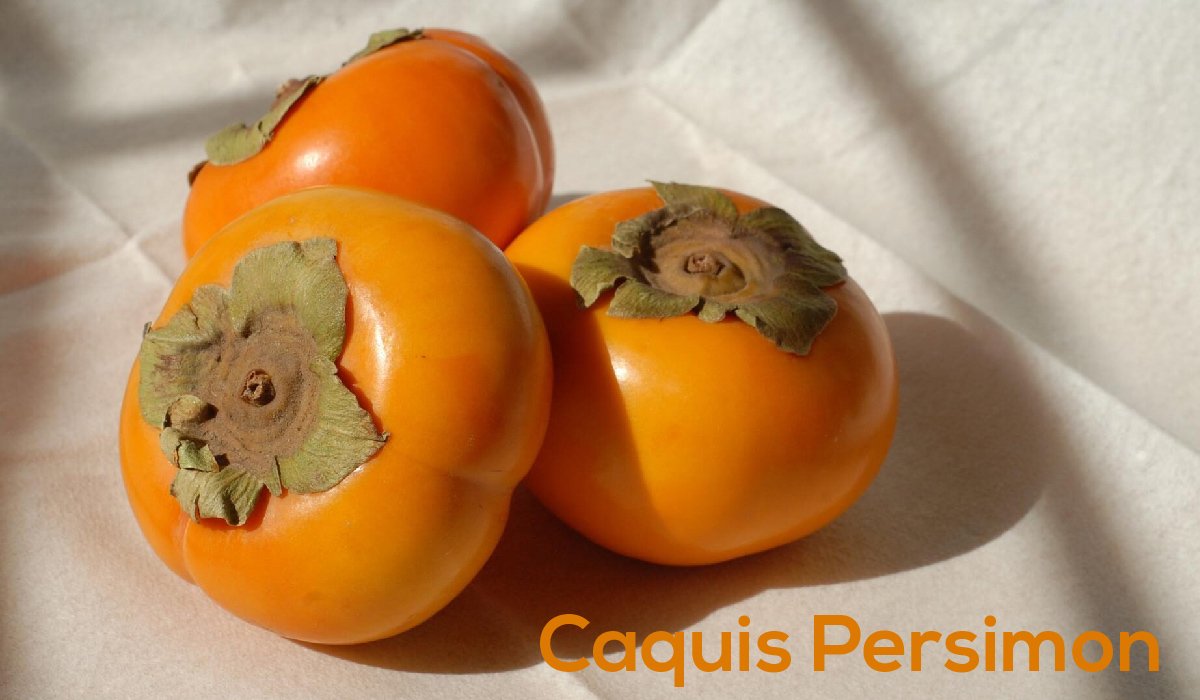
Caquis Persimon is becoming increasingly popular around the world because it combines great taste, attractive appearance, and impressive health benefits in one fruit. Originally grown in Spain, especially in the Valencia region, this bright orange persimmon has gained attention in international markets due to its sweet flavor and firm texture.
Unlike many traditional persimmons that must become very soft before eating, Caquis Persimon can be eaten while still firm, which makes it more convenient for everyday use. This unique feature allows people to slice it easily, eat it like an apple, or add it to salads and desserts.
In addition, Caquis Persimon is rich in important nutrients such as fiber, vitamin A, vitamin C, potassium, and natural antioxidants that support overall health. As more people look for natural foods that are both delicious and nutritious, the demand for Caquis Persimon continues to grow in supermarkets, restaurants, and homes across Europe and many other parts of the world.
What Is Caquis Persimon?
Simple Definition
Caquis Persimon refers to a specific commercial presentation of the persimmon fruit, scientifically known as Diospyros kaki. While persimmons are grown in many parts of the world, Caquis Persimon represents a carefully selected and treated variety primarily produced in Spain. The fruit undergoes a specialized process that removes astringency, allowing it to be eaten while still firm and crisp rather than requiring it to soften completely.
This unique characteristic makes Caquis Persimon especially convenient for everyday consumption. Instead of waiting for the fruit to become soft, consumers can simply wash it, slice it, and eat it like an apple. The sweet flavor, bright orange color, and pleasant texture make it one of the most appealing forms of persimmon available today.
Scientific Classification
From a botanical perspective, Caquis Persimon belongs to the species Diospyros kaki, which is part of the Ebenaceae family. The scientific classification of the fruit is as follows: Kingdom Plantae, Family Ebenaceae, Genus Diospyros, Species Diospyros kaki. This classification places persimmons among flowering fruit trees that produce edible berries rich in sugars and plant nutrients.
The genus Diospyros contains several species of persimmons found around the world, but Diospyros kaki is the most widely cultivated for human consumption. Understanding the scientific classification helps explain the biological origin of Caquis Persimon and connects it to the broader family of persimmon trees that have been cultivated for centuries.
Why the Name “Persimon” Is Special
The name “Persimon,” spelled with one “m,” is not simply a variation of the word persimmon but rather a registered commercial brand used primarily in Spain. This name represents a specific marketing identity associated with high-quality persimmons produced in the Valencia region. Fruits sold under the Persimon label meet strict quality standards regarding size, color, sweetness, and texture.
The brand helps consumers easily recognize premium Spanish persimmons that have undergone the de-astringency process and are ready to eat while firm. Because of this branding system, the term Caquis Persimon has become widely recognized as a symbol of quality and reliability in European fruit markets.
Origin and History of Caquis Persimon
Ancient Roots of Persimmons
The history of persimmons dates back more than two thousand years, with the earliest cultivation believed to have begun in China. Ancient Chinese farmers valued persimmons for their sweetness, long shelf life, and nutritional properties. Over time, the fruit spread to neighboring countries such as Japan and Korea, where it became deeply integrated into local agricultural traditions and culinary culture.
In Japan, especially, persimmons are widely used in traditional sweets and dried fruit preparations. These early cultivation practices laid the foundation for the development of many modern persimmon varieties, including those that would eventually lead to Caquis Persimon.
Arrival in Europe
Persimmons were introduced to Europe during the nineteenth century when plant explorers and agricultural researchers began transporting fruit trees across continents. The Mediterranean climate proved especially suitable for persimmon cultivation because the trees thrive in warm temperatures and well-drained soils. Spain quickly became one of the most promising locations for growing persimmons. The combination of fertile land, abundant sunshine, and skilled agricultural practices allowed farmers to produce high-quality fruit with excellent sweetness and color.
Development in Spain
Spanish farmers played a crucial role in transforming persimmons into the product now known as Caquis Persimon. Through careful experimentation and improved cultivation techniques, growers developed methods for harvesting and processing persimmons so that they could be consumed while firm. This innovation greatly improved the fruit’s commercial appeal because it made persimmons easier to store, transport, and display in markets. Valencia soon emerged as the main production region, and local growers focused on refining the fruit’s quality and consistency to meet international demand.
Protected Designation of Origin
One of the most important developments in the history of Caquis Persimon is the Protected Designation of Origin known as Kaki Ribera del Xúquer. This certification guarantees that the fruit comes from a specific geographic area in the Valencian Community and meets strict agricultural standards. The designation ensures traceability, quality control, and authenticity, protecting both farmers and consumers. Thanks to this system, Caquis Persimon has earned a strong reputation as a premium fruit with reliable flavor and consistent quality.
Where Caquis Persimon Is Grown
Spain is the primary producer of Caquis Persimon, with the majority of cultivation concentrated in the Valencia region. Within Valencia, the Ribera del Xúquer area provides ideal conditions for growing persimmons due to its fertile soil, balanced rainfall, and warm Mediterranean climate.
However, persimmons are also grown in other parts of the world. Countries such as Italy, Israel, China, and Japan produce their own varieties of persimmons, although the Spanish Persimon brand remains unique because of its specific treatment and quality standards. Persimmon trees generally require a warm climate, moderate rainfall, and well-drained soil. They thrive in sunny environments and typically produce fruit during the autumn months, making them a seasonal highlight in many agricultural regions.
The Rojo Brillante Variety Behind Caquis Persimon
Most Caquis Persimon fruits are produced from the Rojo Brillante variety, which is particularly valued for its size, color, and sweetness. Rojo Brillante persimmons are large and round, with a deep orange-red skin that becomes glossy as the fruit matures.
The flesh is naturally sweet and juicy, while the texture remains firm after undergoing the de-astringency treatment. Because of these characteristics, Rojo Brillante is considered ideal for commercial production. Its attractive appearance and consistent flavor help ensure that consumers receive a high-quality fruit every time they purchase Caquis Persimon.
Nutritional Value of Caquis Persimon
Caquis Persimon is widely regarded as a nutritional powerhouse because it provides a range of essential vitamins and minerals while remaining relatively low in calories. A typical serving of 100 grams contains approximately 70 to 75 calories, making it a light yet satisfying snack.
The fruit contains around 18 to 20 grams of carbohydrates, most of which come from natural sugars that provide quick energy. It also supplies about 3 to 4 grams of dietary fiber, which supports healthy digestion and helps maintain a feeling of fullness. In addition, Caquis Persimon is rich in vitamin A, which is important for eye health, and vitamin C, which strengthens the immune system. Potassium, another key nutrient present in the fruit, plays a role in regulating blood pressure and maintaining proper muscle function.
Antioxidants Found in Caquis Persimon
One of the most valuable aspects of Caquis Persimon is its high concentration of antioxidants. These compounds help protect the body from oxidative stress caused by free radicals. Among the most important antioxidants found in this fruit are beta-carotene, lycopene, lutein, zeaxanthin, and polyphenols. Beta-carotene contributes to eye health and supports immune function, while lutein and zeaxanthin are associated with protecting the retina from damage.
Polyphenols, which are naturally occurring plant compounds, help reduce inflammation and support cardiovascular health. Because of these protective compounds, Caquis Persimon is often considered a beneficial addition to a balanced and health-focused diet.
Health Benefits of Caquis Persimon
Caquis Persimon offers numerous health benefits thanks to its combination of vitamins, fiber, and antioxidants. The dietary fiber found in the fruit supports digestive health by promoting regular bowel movements and encouraging the growth of beneficial gut bacteria. Vitamin C helps strengthen the immune system, allowing the body to defend itself against infections and illnesses.
Potassium and antioxidants contribute to heart health by helping regulate blood pressure and reducing inflammation in the cardiovascular system. The presence of beta-carotene and vitamin A supports eye health and may help protect against age-related vision problems. Additionally, the fruit’s natural sugars provide a quick source of energy, making it an excellent snack before physical activity. Because it is relatively low in calories yet rich in fiber, Caquis Persimon can also support weight management by helping people feel full for longer periods.
Caquis Persimon vs Other Persimmons
Not all persimmons are the same, and understanding the differences between varieties can help consumers choose the right fruit for their needs. Traditional astringent persimmons, such as the Hachiya variety, must soften completely before they can be eaten, as unripe fruit contains tannins that create a dry, unpleasant taste.
Non-astringent varieties such as Fuyu can be eaten while firm but still differ slightly in texture and sweetness. Caquis Persimon stands out because it undergoes a controlled treatment process that removes astringency while maintaining a firm texture. As a result, the fruit can be eaten easily like an apple, sliced into salads, or used in a variety of recipes.
How Caquis Persimon Are Made (De-Astringency Process)
The production of Caquis Persimon involves a specialized post-harvest process designed to remove the tannins responsible for astringency. After the fruit is harvested, it is placed in sealed chambers where it is exposed to a high concentration of carbon dioxide.
This controlled environment neutralizes the tannins in the fruit’s flesh, eliminating the mouth-drying sensation associated with unripe persimmons. Importantly, this process does not soften the fruit, allowing it to maintain its firm and crisp texture. This innovation revolutionized persimmon consumption because it made the fruit easier to handle, transport, and enjoy.
Conclusion
Caquis Persimon represents a remarkable combination of tradition, agricultural innovation, and nutritional value. With its bright orange color, naturally sweet taste, and convenient firm texture, this fruit has become one of the most appealing persimmon varieties available today.
Its rich supply of vitamins, fiber, and antioxidants makes it a healthy choice for people who want to enjoy delicious foods while supporting their overall well-being. From its ancient origins in Asia to its modern cultivation in Spain, Caquis Persimon has evolved into a globally recognized fruit that continues to gain popularity. Whether eaten fresh, added to salads, blended into smoothies, or used in desserts, Caquis Persimon offers a flavorful and nutritious way to enjoy one of nature’s most vibrant autumn fruits.
FAQs About Caquis Persimon
1. What is Caquis Persimon?
Caquis Persimon is a special Spanish variety of persimmon fruit that comes from the species Diospyros kaki. It is known for its bright orange color, sweet taste, and firm texture. Unlike traditional persimmons that must become very soft before eating, Caquis Persimon can be eaten while still firm, making it easy to slice and enjoy like an apple.
2. Is Caquis Persimon the same as a normal persimmon?
Caquis Persimon comes from the same fruit family as regular persimmons, but it is treated to remove the astringent taste that some persimmons have when unripe. Because of this process, Caquis Persimon stays firm and sweet, while many traditional persimmons must ripen fully and become soft before they can be eaten.
3. Can you eat the skin of Caquis Persimon?
Yes, the skin of Caquis Persimon is completely edible. The skin is thin and contains additional fiber and nutrients. Most people simply wash the fruit, slice it, and eat it with the skin, similar to eating an apple.
4. When is Caquis Persimon in season?
Caquis Persimon is usually harvested during the autumn season, from October to January. During these months, the fruit is widely available in supermarkets and fresh produce markets, especially in Europe, where Spain is the main producer.
5. What are the health benefits of Caquis Persimon?
Caquis Persimon is rich in vitamins, fiber, and antioxidants that support overall health. It contains vitamin A for eye health, vitamin C for immunity, and fiber that helps digestion. The fruit also provides natural energy and can support heart health due to its potassium and antioxidant content.
For More Information, visit Hopestech

Everything You Need to Know About MUGA Installation in the UK

Key Signs Your Business Has Outgrown Pre-Built Website Themes

Best Practices for CrowdStrike MDR Adoption

Caquis Persimon: Amazing Benefits and Powerful Facts About This Sweet Fruit

Best Breakfast and Brunch Spots in MetroWest Orlando You Need to Try in 2026

Construction Estimation With AI: How Quote Goat Workflow Tracker Helps Teams Bid With More Confidence

The Impact of HRIS Integration Software on Reducing Data Entry Errors and Enhancing Employee Experience

Best Group Buy SEO Tools Platform for Keyword Research — Complete Guide

Data-Driven Decisions: Using Technology to Choose Off-Plan Properties

VSCompany: The Powerful Future of Water Conservation Solutions

TabooTube Explained: The Powerful Platform for Unfiltered Content

content://cz.mobilesoft.appblock.fileprovider/cache/blank.html: Explained with Powerful Insights

Scrolller Explained: The Powerful Way to Browse Reddit Images

Zavalio com Explained: The Ultimate Truth You Must Know

adswynk com: Monetize Links With Smart Ads in 2025

Deshoptec com Review: Powerful Truth About This Online Store

SSIS 469: Fixing SQL Data Errors in ETL Workflows

Milohacherry Coin Explained: The Powerful Lifestyle Crypto Rewarding Travel & Fitness

Novafork: The Best Free Streaming Site for Movies, Shows & Anime

Brandi Loge: The Inspiring Rise of a Bold Creative Leader
-
 Blog3 months ago
TabooTube Explained: The Powerful Platform for Unfiltered Content
-
 Blogs6 months ago
content://cz.mobilesoft.appblock.fileprovider/cache/blank.html: Explained with Powerful Insights
-
 Blog2 months ago
Scrolller Explained: The Powerful Way to Browse Reddit Images
-
 Blog3 months ago
Zavalio com Explained: The Ultimate Truth You Must Know