
Tech
Cdiphone: The Fusion of CD Tech and iPhone Innovation

Introduction
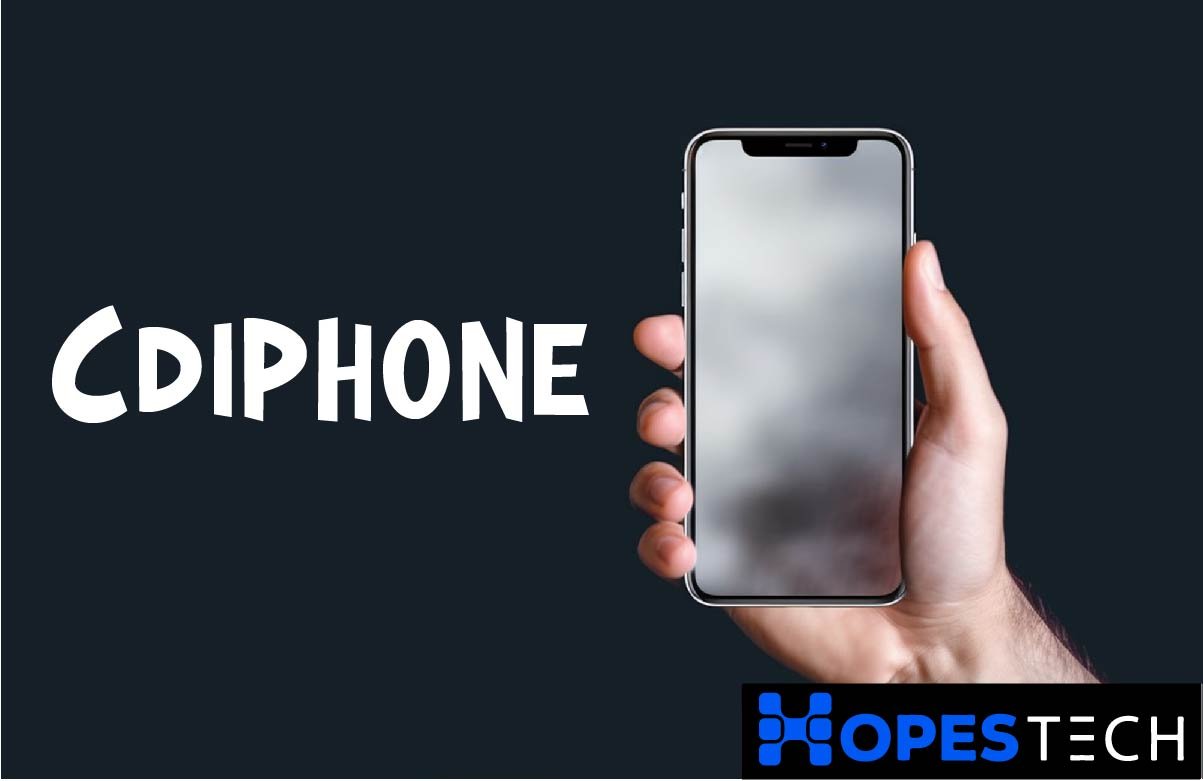
In a world where digital streaming, invisible cloud storage, and intangible subscriptions have become the norm, the cdiphone emerges as a fascinating counter-movement. This concept—though unofficial and community-driven—offers a bridge between the tactile past and the hyper-connected present. Millions still own CDs filled with precious audio memories—rare albums, limited editions, or unreleased concert recordings—and yet the modern iPhone no longer supports any kind of disc input.
Enter cdiphone, a term coined by digital enthusiasts to describe both a workflow and a possible device: one that reconnects compact discs to iPhones, whether through external drives, ripping software, or even speculative design concepts featuring built-in micro-disc storage. This article explores everything from the origins of cdiphone to its technical setup, cultural relevance, and forward-looking potential. For audiophiles, creators, archivists, or simply nostalgic music lovers, cdiphone isn’t just a workaround—it’s a philosophical statement about data ownership, high-quality sound, and physical permanence in an increasingly subscription-driven digital world.
What Is Cdiphone? A Definition and Quick History
The term cdiphone does not originate from Apple’s product lines, nor is it a registered trademark or commercially available gadget. Instead, it began appearing in small tech forums and enthusiast communities during 2023 and 2024, typically used in tongue-in-cheek references to DIY projects involving iPhones and compact disc drives.
Over time, the term evolved from internet humor to a symbol of nostalgia-driven resistance against streaming monopolies. It gained traction during a broader resurgence of physical media—including CDs and vinyl—highlighting a growing desire for tactile interaction in a digital-first world. Cdiphone now represents a wide spectrum of meanings: external CD drive adapters connected to iPhones, software toolkits that convert CDs to lossless audio formats, or even speculative hybrid smartphones with built-in encrypted disc modules. At its core, cdiphone is a metaphor for the digital age’s yearning to reconnect with the physical.
Why Cdiphone Exists: The Philosophy Behind the Concept
The cdiphone concept is more than just a technological curiosity—it embodies a strong philosophical foundation rooted in the human desire for permanence, security, and control over data. In the current digital landscape, users do not own their music; they rent it through monthly subscriptions with access contingent on active payments and internet connectivity. By contrast, cdiphone celebrates physical ownership through long-lasting formats like compact discs that remain usable regardless of licensing changes or cloud outages.
CDs can last over 30 years, do not require internet access, and cannot be silently modified or deleted by third parties. This return to tangible media also addresses rising concerns about cloud dependency, digital surveillance, and subscription fatigue. It revives the sensory experience—loading a disc, viewing album art, appreciating liner notes—that many miss. Cdiphone isn’t just about music; it’s about reclaiming a sense of digital sovereignty and emotional connection with one’s media.
How Cdiphone Works: Tools, Setup & Integration
The modern cdiphone workflow generally follows one of three methods, all designed to reintegrate CD-based content into the iOS ecosystem. First is the traditional ripping workflow, where CDs are inserted into a PC or Mac using a CD/DVD drive. Users then apply software like Exact Audio Copy (Windows) or XLD (Mac) to extract music in formats such as ALAC, FLAC, MP3, or AIFF. These files are imported into iTunes or the Finder interface and synced directly with the iPhone via USB or Wi-Fi.
The second method involves external CD drives, connected directly to the iPhone using a powered USB hub and Lightning-to-USB adapter or USB-C connector, depending on the iPhone model. While direct playback remains unsupported on stock iOS, jailbroken devices or third-party apps offer partial access. The third approach is cloud-based streaming, where ripped CD files are uploaded to services like Google Drive, Dropbox, or Plex Media Server for remote streaming to the iPhone. These setups grant users flexibility to blend physical and cloud libraries while retaining the high fidelity of original media.
Key Features of a Conceptual CDiPhone Device
If realized as a physical product, the conceptual cdiphone would radically differ from traditional iPhones. Its signature feature would be a tri-layered storage system: a combination of flash memory for everyday apps, a swappable encrypted disc slot for long-term offline archives, and optional cloud syncing for mobile access. Internally, the device would leverage AI file sorting, automatically optimizing where each file is stored based on usage habits. This ensures fast access to frequent files while preserving important documents or albums on durable physical media.
Sound quality would receive a major upgrade through native support for lossless formats like FLAC, ALAC, and AIFF, alongside built-in high-fidelity DAC chips for studio-grade audio output. The operating system would feature a nostalgic CD library UI, letting users browse by album art, artist, or even liner note themes. This hybrid design acknowledges our emotional connection to media while offering the tools of a modern smartphone.
Use Cases and Target Audiences
The appeal of cdiphone spans diverse user groups united by a need for permanence, fidelity, and control. Audiophiles benefit from the ability to play and preserve lossless audio without cloud compression artifacts. Archivists and historians appreciate the device’s capacity for long-term offline storage, ideal for preserving sensitive or rare materials. Creators—including musicians and filmmakers—can distribute or back up content in a secure, physical medium that avoids digital tampering or bandwidth constraints.
Legal professionals and healthcare workers gain an added layer of data security by using hardware-encrypted micro-discs for confidential case files or patient records. Meanwhile, rural users and those in low-connectivity regions enjoy the benefit of full offline access without relying on expensive or unstable internet services. For each, the cdiphone offers a custom-fit solution to digital challenges often overlooked by mainstream mobile devices.
Technical Challenges and Limitations
Despite its promise, cdiphone faces several real-world limitations that hinder its mass-market feasibility. Integrating a disc drive into a smartphone presents serious hardware barriers: CD mechanisms require motorized spinning, laser optics, vibration isolation, and space for physical media—all difficult to accommodate in today’s ultra-slim phone chassis. Additionally, the power demands and heat generation from spinning media can compromise battery life and thermal performance. Durability is another concern; mobile phones are dropped and shaken, making internal disc drives vulnerable to damage.
Software-wise, iOS lacks native support for CD file systems like ISO9660 or UDF, which means extra software development or jailbreaking is needed to interface with disc content. Legal limitations around DRM-protected music also create gray areas in how media can be transferred and played. While workarounds exist, they often require technical literacy and third-party tools, keeping the cdiphone concept mostly in the hands of hobbyists and enthusiasts.
Cdiphone vs Traditional iPhone: A Smart Comparison
Comparing the cdiphone with a standard iPhone reveals key distinctions in philosophy and utility. While a traditional iPhone relies on flash storage and cloud services, the cdiphone augments this with a physical disc layer that enables long-term, secure, and offline archiving. In terms of audio fidelity, streaming platforms typically compress music to conserve bandwidth, whereas a cdiphone plays lossless audio directly from source. In the area of ownership, traditional iPhones function within ecosystems of licensed access—users rent content, not own it.
The cdiphone, however, prioritizes media permanence and control, allowing users to manage and own their data. Design-wise, the iPhone is sleek, minimal, and highly integrated, while the cdiphone might feature a modular or bulkier build to accommodate disc mechanics. This makes the cdiphone more suitable for specialized use cases than for everyday consumers, but also introduces a new niche within the smartphone market focused on fidelity, privacy, and sustainability.
Environmental & Longevity Considerations
Though physical media might seem less eco-friendly than streaming, the cdiphone concept actually supports a more sustainable digital model. CDs last over 30 years and require no ongoing power to maintain storage, unlike cloud servers that demand continuous energy for cooling, processing, and redundancy. By reducing reliance on data centers, the cdiphone supports energy conservation, especially for archival content that doesn’t require constant access.
Furthermore, newer disc formats can be developed with biodegradable or recycled materials, enhancing eco-compatibility. The device itself, built with modular components and durable materials, encourages longer product lifecycles and reduces e-waste by allowing upgrades without full device replacement. The philosophy here is clear: digital sustainability isn’t only about less plastic—it’s about reducing dependence on extractive, energy-intensive systems and embracing models that last.
Creative & Educational Possibilities
Beyond music, the cdiphone opens the door to novel applications in education, arts, and content distribution. Imagine a school issuing coursework on secure discs playable on a cdiphone—no internet needed, no student tracking. Musicians could release albums as limited-edition encrypted mini-discs, playable only on certain devices or apps, adding collectibility to their work. Filmmakers might encode high-resolution footage or metadata on physical media to ensure playback integrity and copyright protection. Hybrid learning kits could include tactile discs paired with interactive phone apps, blending analog charm with digital enhancement. These scenarios show that cdiphone isn’t merely nostalgic; it’s creative infrastructure for hybrid digital ecosystems.
Cdiphone as a Cultural Movement
The cdiphone has become more than a device—it’s a cultural phenomenon. Across Reddit threads, YouTube channels, and digital music forums, fans share DIY builds, speculative designs, and nostalgic stories about their CD collections. These communities view cdiphone as a symbol of digital rebellion, pushing back against the homogenized world of streaming, auto-play algorithms, and cloud dependency. It’s a way to assert individuality, permanence, and emotional connection in a world dominated by ephemeral, invisible files. Like the vinyl revival, the cdiphone isn’t just about technology—it’s about storytelling, ownership, and ritual, reminding users that the medium can matter as much as the message.
Conclusion
Even if Apple never produces a cdiphone, the concept will continue to resonate. In an age where cloud outages, content removals, and subscription fatigue erode our sense of ownership, cdiphone stands as a visionary bridge between analog permanence and digital accessibility. It reminds us that technology should serve memory, not erase it, and that physicality can still play a role in our high-speed digital lives. Whether through a fully integrated device or modular accessory, the idea of cdiphone sparks innovation, encourages sustainability, and keeps alive a deeper connection to the things we own. It’s more than an idea—it’s a movement toward mindful digital living.
(FAQs)
Q1. What is a cdiphone?
A cdiphone is a conceptual or DIY solution that connects CD media with iPhones, blending disc-based audio storage and modern mobile technology.
Q2. Can I connect a CD drive directly to an iPhone?
Yes, with a powered USB hub and proper adapters, but it requires workarounds. Direct playback is not officially supported.
Q3. What apps work best with cdiphone setups?
Apps like VLC, Foobar2000, Evermusic, Plex, and Readdle Documents offer strong support for offline playback and lossless formats.
Q4. How do I transfer CD music to an iPhone?
Use software like Exact Audio Copy or XLD to rip CDs, save as ALAC or FLAC, then sync via iTunes or Finder.
Q5. Will Apple ever release a real cdiphone?
It’s unlikely. Apple favors minimalist design. However, modular accessories or retro-styled software interfaces might appear in the future.
Also Read :
JR Geo: Smart Maps, Learning & Careers in Geoscience
Närkes Elektriska: Sweden’s Smart Energy Leader Since 1931
Kalidcan: The AI Productivity Tool Transforming Digital Work

How SaaS SEO Experts Help Startups Achieve Rapid Growth

Fat Freezing vs Fat Dissolving Injections: 11 Key Facts

Choosing the Best Ductless Range Hood for a Cleaner Kitchen Space

The Value of Predictable Network Identity

How US Expats Can Avoid Travel Disruptions When Returning to the UK

Why Some Expats Eventually Move Back to the U.S.

How to Sell a Business Successfully: A Step-by-Step Guide

Thehrwp: Powerful HR Workflow System That Transforms Modern Workforce Management

How Smartphone Technology Is Shaping the Future of Business

Risks and Side Effects of Strong Painkillers | Overview of Pain Management

TabooTube Explained: The Powerful Platform for Unfiltered Content

content://cz.mobilesoft.appblock.fileprovider/cache/blank.html: Explained with Powerful Insights

Scrolller Explained: The Powerful Way to Browse Reddit Images

Zavalio com Explained: The Ultimate Truth You Must Know

adswynk com: Monetize Links With Smart Ads in 2025

Deshoptec com Review: Powerful Truth About This Online Store

SSIS 469: Fixing SQL Data Errors in ETL Workflows

Milohacherry Coin Explained: The Powerful Lifestyle Crypto Rewarding Travel & Fitness

Novafork: The Best Free Streaming Site for Movies, Shows & Anime

Brandi Loge: The Inspiring Rise of a Bold Creative Leader
-
 Blog3 months ago
TabooTube Explained: The Powerful Platform for Unfiltered Content
-
 Blogs6 months ago
content://cz.mobilesoft.appblock.fileprovider/cache/blank.html: Explained with Powerful Insights
-
 Blog3 months ago
Scrolller Explained: The Powerful Way to Browse Reddit Images
-
 Blog3 months ago
Zavalio com Explained: The Ultimate Truth You Must Know