
Blog
Nahttypen: Powerful Guide to Seam Types in Sewing

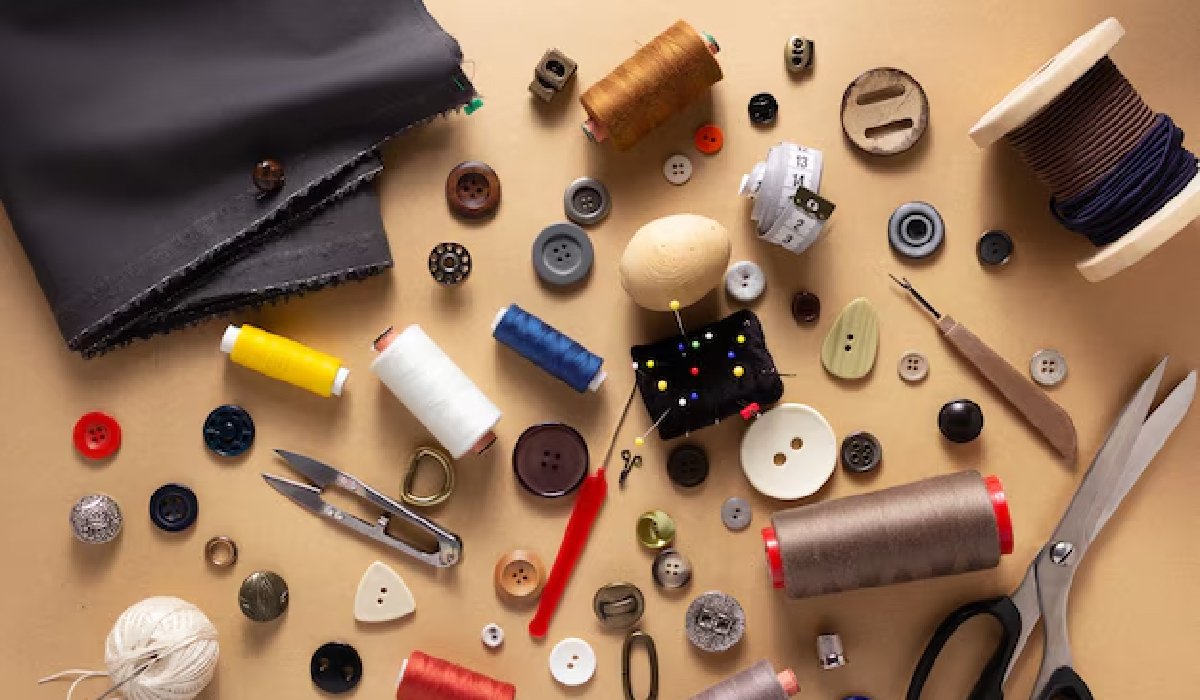
Nahttypen are the different types of seams used in sewing and garment construction to join pieces of fabric together. Each seam type is designed to serve a specific purpose depending on the fabric, garment style, and durability requirements. Understanding nahttypen helps designers, tailors, and sewing enthusiasts create clothing that is strong, comfortable, visually appealing, and professionally constructed.
Introduction
Nahttypen play a fundamental role in sewing and textile design because seams are the structural backbone of every garment. When two pieces of fabric are stitched together, the seam not only holds the material in place but also determines how the garment will behave during wear. In clothing production, the choice of seam type can influence durability, comfort, flexibility, and even the overall appearance of the finished piece. Whether a garment is handmade in a small tailoring workshop or mass-produced in a large manufacturing facility, understanding nahttypen is essential for producing high-quality clothing.
Seams influence many important characteristics of garments, including durability, comfort, structure, and design. A well-constructed seam ensures that clothing can withstand repeated washing and daily wear without tearing or losing its shape. Proper seam placement also improves comfort by reducing friction against the skin and allowing natural movement. In addition, seams contribute to the structure of garments by shaping fabric around the body and defining the silhouette of clothing. Designers often use seam lines creatively to add visual interest, geometric patterns, and unique stylistic details.
Several industries depend heavily on seam technology and a deep understanding of nahttypen. Fashion design relies on seam construction to turn fabric pieces into wearable garments that fit properly and look aesthetically pleasing. Tailoring focuses on precise seam techniques to produce customized clothing with exceptional craftsmanship. Textile engineering studies seam performance to improve durability and efficiency in garment manufacturing. Industrial garment production also depends on standardized seam types that allow factories to produce clothing quickly while maintaining consistent quality.
This article provides a comprehensive guide to nahttypen and explains their importance in modern sewing and textile production. It explores the meaning of seam types, the most common nahttypen used in garment construction, and the techniques used to create them. The article also discusses how different fabrics require specific seam choices, how seams are used in industrial manufacturing, and how modern innovations and sustainability practices are shaping the future of seam technology. By the end of this guide, readers will gain a complete understanding of nahttypen and how they contribute to durable, comfortable, and beautifully designed garments.
What Are Nahttypen in Sewing?
Basic Definition of Nahttypen
In sewing and textile construction, nahttypen refer to the different methods used to join two or more pieces of fabric together. A seam is essentially the line where fabric pieces are stitched, and the structure of that seam determines how strong, flexible, and visually clean the finished garment will be. Seam types are carefully selected depending on the purpose of the garment, the weight and behavior of the fabric, and the level of durability required. Nahttypen are used not only in clothing production but also in upholstery, home décor items, and technical textiles such as outdoor gear and protective clothing.
Purpose of Seam Construction
Seam construction serves several critical functions in textile design and garment manufacturing. The primary function of seams is to join pieces of fabric together so that flat materials can be transformed into three-dimensional clothing that fits the body. Seams also help shape garments by creating curves, darts, and structured lines that follow the contours of the human form. In areas where garments experience tension or stress, seams reinforce the fabric to prevent tearing and maintain durability. Additionally, seam construction can serve decorative purposes by highlighting stitching patterns or creating visible seam lines that enhance the visual design of clothing.
History of Nahttypen in Textile and Garment Production
The history of nahttypen is closely connected to the development of sewing itself. In ancient civilizations, clothing was constructed entirely by hand using simple needles made from bone, wood, or metal and thread made from plant fibers or animal materials. Early seam types were basic and primarily designed to hold fabrics together rather than provide decorative finishes or durability enhancements.
The development of metal sewing needles and stronger threads allowed seam techniques to become more advanced over time. During the Industrial Revolution, the invention of the sewing machine dramatically transformed garment production by making seam construction faster and more consistent. Factories were able to produce clothing on a much larger scale, and standardized seam types began to emerge.
In modern textile production, seam technology continues to evolve with computerized sewing machines and specialized equipment that create highly precise seams. Industrial sewing machines can now produce complex seam structures quickly and efficiently, allowing manufacturers to maintain consistent quality while producing garments in large quantities. These technological advancements have made nahttypen an important area of study in both fashion design and textile engineering.
Why Nahttypen Are Important in Garment Construction
Structural Strength
One of the most important reasons seam types are essential in garment construction is their ability to provide structural strength. Seams reinforce fabric connections and ensure that garments remain intact during daily wear. Strong seam constructions, such as flat-felled seams, are often used in workwear and denim because they can withstand heavy stress and repeated washing without breaking.
Comfort and Wearability
Seam placement and construction directly affect the comfort of a garment. Seams that are too bulky or poorly positioned can cause irritation against the skin. By selecting appropriate seam types, designers can reduce friction and create garments that allow freedom of movement. Stretchable seam constructions are especially important in athletic wear and active clothing where flexibility is required.
Appearance and Design
Seams are not only functional elements but also important design features. Visible seam lines can create unique patterns and define the overall structure of a garment. Decorative stitching and contrast seams are commonly used in modern fashion to enhance visual appeal and highlight craftsmanship.
Fabric Protection
Another key function of seams is protecting fabric edges from damage. Raw fabric edges can fray or unravel if they are not properly finished. Certain seam types enclose these edges to prevent fraying and maintain the integrity of the garment over time.
Common Nahttypen Used in Sewing
Plain Seam (Einfache Naht)
The plain seam is the most basic and commonly used seam type in sewing. It is created by placing two pieces of fabric together with their right sides facing each other and stitching along the edge. After stitching, the seam allowances are usually pressed open or finished with additional techniques such as zigzag stitching to prevent fraying. Plain seams are widely used in shirts, dresses, trousers, and many other everyday garments because they are simple to construct and suitable for a wide variety of fabrics.
French Seam (Französische Naht)
The French seam is known for its clean and elegant finish because it encloses the raw edges of the fabric within the seam itself. This seam type is particularly useful for delicate fabrics such as chiffon, silk, and organza, where visible fraying would reduce the garment’s quality. By hiding the raw edges inside the seam, the French seam provides both durability and a professional interior finish.
Flat-Felled Seam (Kappnaht)
The flat-felled seam is one of the strongest seam types used in garment construction. It involves folding the seam allowances and stitching them down so that the raw edges are completely enclosed. This seam produces a double line of stitching and lies flat against the fabric. Flat-felled seams are commonly found in jeans, workwear, and uniforms because they are extremely durable and resistant to fraying.
Lapped Seam (Überlappungsnaht)
The lapped seam is created by overlapping one piece of fabric on top of another and stitching through both layers. Unlike most seam constructions, the fabric pieces are not placed right sides together before stitching. This seam type is often used in leather garments, upholstery, and heavy fabrics because it provides strong reinforcement and can create a distinctive decorative effect.
Bound Seam (Einfassnaht)
A bound seam covers the raw edges of the seam allowance with a strip of fabric or binding tape. This technique protects the edges from fraying while also creating a decorative interior finish. Bound seams are frequently used in high-quality garments such as unlined jackets or couture clothing where the inside of the garment is visible and must look polished.
Overlocked Seam (Overlocknaht)
The overlocked seam is created using a serger or overlock machine that trims and stitches fabric edges at the same time. This seam type prevents fraying and is commonly used in knit garments and mass-produced clothing. Overlocked seams provide flexibility and are ideal for stretch fabrics such as those used in t-shirts and casual wear.
Flatlock Seam
Flatlock seams are designed to lie flat against the fabric, reducing bulk and friction. These seams are commonly used in athletic clothing and performance garments because they prevent chafing during movement. Flatlock seams are often visible on the outside of sportswear and may serve both functional and decorative purposes.
Blind Stitch Seam
The blind stitch seam is designed to be almost invisible from the outside of a garment. It is primarily used for hemming clothing such as dresses, skirts, and formal wear where visible stitching would detract from the garment’s appearance.
Choosing Nahttypen Based on Fabric Type
Lightweight Fabrics
Lightweight fabrics such as silk, chiffon, and voile require seam constructions that prevent fraying and maintain a delicate appearance. French seams and bound seams are commonly used for these materials because they enclose raw edges and provide a refined finish.
Heavy Fabrics
Heavy fabrics such as denim, canvas, and leather require strong seam types that can withstand tension and wear. Flat-felled seams and lapped seams are commonly used in garments made from these materials because they provide additional strength and durability.
Stretch Fabrics
Stretch fabrics such as jersey and athletic textiles require seam constructions that allow movement without breaking. Overlocked seams, zigzag stitching, and flatlock seams are commonly used in stretch garments because they provide flexibility and comfort.
Tools and Equipment Used for Different Nahttypen
Basic Sewing Machines
Basic sewing machines are capable of creating simple seam types such as plain seams and zigzag seams. These machines are commonly used by home sewers and beginners learning fundamental sewing techniques.
Overlock (Serger) Machines
Overlock machines, also known as sergers, are designed to trim and finish fabric edges while stitching them together. They are widely used in professional garment production because they produce clean, durable seams quickly.
Industrial Sewing Machines
Industrial sewing machines are used in garment factories to produce clothing efficiently. These machines are designed for continuous operation and can create specialized seam types used in large-scale production.
Nahttypen in Industrial Garment Manufacturing
In industrial garment manufacturing, seam types must balance durability with efficiency. Factories rely on standardized seam constructions that can be produced quickly using automated sewing equipment. Assembly lines allow different parts of a garment to be sewn simultaneously before being assembled into a finished product. By using consistent seam types and advanced machinery, manufacturers can produce large volumes of clothing while maintaining reliable quality standards.
Decorative Uses of Nahttypen in Fashion Design
Seams can also serve as decorative design elements in fashion. Designers often highlight seam lines using contrast stitching or visible topstitching to create unique visual effects. Structured seam placements can shape garments and emphasize body contours. In modern fashion design, seams may be intentionally exposed or exaggerated to create bold stylistic statements.
The Role of Nahttypen in Sustainable Fashion
Durable seam construction plays an important role in sustainable fashion because it extends the lifespan of garments. Clothing that is constructed with strong seam types is less likely to tear or fail, reducing the need for frequent replacement. Repairable seam structures also allow garments to be altered or repaired instead of discarded, helping reduce textile waste.
How Beginners Can Learn Different Nahttypen
Learning seam types is one of the first steps for anyone interested in sewing or fashion design. Beginners can develop their skills by taking sewing courses, studying fashion design programs, or practicing with simple sewing projects. Online tutorials and instructional guides provide valuable resources for learning seam construction techniques. With practice and experimentation, beginners can gradually master more advanced seam types.
Future Innovations in Seam Technology
Advances in textile technology are leading to new seam construction methods. Ultrasonic seam welding, for example, allows synthetic fabrics to be bonded together without traditional stitching. Seamless knitting technologies are also becoming more common, producing garments with fewer seams for improved comfort. As smart textiles and wearable technology continue to develop, new seam solutions will be needed to protect electronic components embedded in clothing.
Tips for Sewing Perfect Nahttypen
Achieving high-quality seams requires careful attention to detail and proper sewing techniques. Using the correct needle size for the fabric helps prevent damage and ensures smooth stitching. High-quality thread provides strength and durability, while consistent seam allowances help maintain uniform seam lines.
Pressing seams with an iron during construction improves their appearance and helps garments lie flat. Testing stitches on scrap fabric before sewing the final pieces also helps ensure the chosen seam type works well with the material.
Conclusion
Nahttypen are one of the most important elements of sewing and garment construction. The type of seam used in a garment influences its durability, comfort, and overall appearance. From simple, plain seams to advanced flat-felled or French seams, each seam type serves a specific purpose depending on the fabric and design requirements.
Understanding different seam types allows designers, tailors, and sewing enthusiasts to create garments that are both functional and visually appealing. By mastering nahttypen and selecting the right seam for each project, anyone involved in sewing can produce high-quality clothing that is durable, comfortable, and beautifully crafted.
FAQs
1. What are Nahttypen in sewing?
Nahttypen are the different types of seams used in sewing to join pieces of fabric together. Each seam type has a specific structure and purpose depending on the fabric, garment style, and durability needed. Understanding nahttypen helps create stronger, cleaner, and more professional-looking clothing.
2. Which Nahttypen are most commonly used in clothing?
Some of the most common nahttypen used in clothing include the plain seam, French seam, flat-felled seam, lapped seam, bound seam, and overlocked seam. These seam types are widely used because they provide strength, prevent fraying, and create a clean finish in different kinds of garments.
3. Which Nahttypen are best for delicate fabrics?
French seams are usually the best nahttypen for delicate fabrics such as silk, chiffon, and organza. This seam encloses the raw fabric edges inside the seam, preventing fraying and creating a smooth, professional finish that looks clean both inside and outside the garment.
4. Which seam type is strongest among Nahttypen?
The flat-felled seam is considered one of the strongest nahttypen. It encloses raw edges and uses double stitching, making it extremely durable. This seam is commonly used in jeans, workwear, and uniforms because it can withstand heavy use and repeated washing.
5. Why are Nahttypen important in garment construction?
Nahttypen are important because they affect the strength, comfort, and appearance of clothing. The right seam type prevents fabric from tearing, improves flexibility, and helps garments last longer. Choosing the correct nahttypen also ensures that clothing fits well and looks professionally made.
For More Information, Visit Hopestech

How to Break in Hiking Boots and Prevent Discomfort During Long Treks

The Most Stunning Bob Hairstyles to Try Right Now

Why Your Sneakers Are Dying (Even If You Don’t Wear Them)

Why Most EdTech Platforms Quietly Replace Their File Upload Setup After Year One

Exploring the Wagamama Menu: Most Popular Dishes and Dining Experience

How Custom Pins UK Help Businesses Build Stronger Brand Identity and Customer Loyalty

Nahttypen: Powerful Guide to Seam Types in Sewing

The DC Startup Playbook for Successful Shopping Apps

Why AI Procurement Solutions Are Transforming Modern Procurement Strategy

The Art and Craft of Inflatable Designs

TabooTube Explained: The Powerful Platform for Unfiltered Content

content://cz.mobilesoft.appblock.fileprovider/cache/blank.html: Explained with Powerful Insights

Scrolller Explained: The Powerful Way to Browse Reddit Images

Zavalio com Explained: The Ultimate Truth You Must Know

adswynk com: Monetize Links With Smart Ads in 2025

Deshoptec com Review: Powerful Truth About This Online Store

SSIS 469: Fixing SQL Data Errors in ETL Workflows

Milohacherry Coin Explained: The Powerful Lifestyle Crypto Rewarding Travel & Fitness

Novafork: The Best Free Streaming Site for Movies, Shows & Anime

Brandi Loge: The Inspiring Rise of a Bold Creative Leader
-
 Blog3 months ago
TabooTube Explained: The Powerful Platform for Unfiltered Content
-
 Blogs6 months ago
content://cz.mobilesoft.appblock.fileprovider/cache/blank.html: Explained with Powerful Insights
-
 Blog3 months ago
Scrolller Explained: The Powerful Way to Browse Reddit Images
-
 Blog3 months ago
Zavalio com Explained: The Ultimate Truth You Must Know