
Blog
Viltnemnda Explained: The Powerful System Protecting Norway’s Wildlife

Introduction
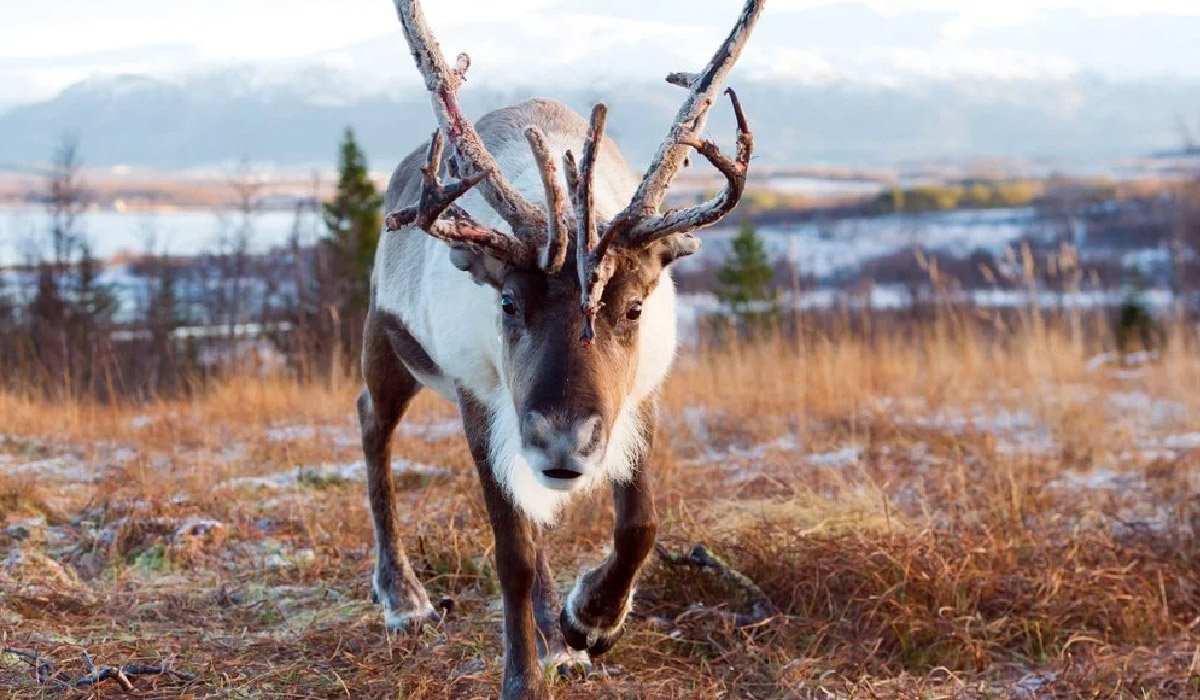
Norway’s breathtaking landscapes are home to some of the world’s most iconic wildlife, including moose, lynx, reindeer, and countless bird species. But with increasing human activity—from expanding roads and farms to changing climate conditions—the balance between nature and society is becoming more delicate. So, who ensures that wildlife and people can coexist in harmony? That role is taken on by Viltnemnda, Norway’s municipal wildlife committees.
These local bodies are essential for managing natural ecosystems while respecting community needs and cultural traditions such as hunting. As the guardians of Norway’s wildlife at the grassroots level, Viltnemnda works at the crossroads of law, ecology, technology, and community involvement. This article explores the origin, structure, functions, challenges, and future of Viltnemnda to show how these committees keep Norway’s wild heritage thriving in a modern world.
The Origin and Purpose of Viltnemnda
The concept of Viltnemnda has its roots in the mid-20th century, when Norway began formalizing its approach to wildlife management. Historically, local communities across rural Norway depended on hunting for both food and cultural identity. However, as urbanization increased and environmental concerns rose, there was a need to transition from unregulated hunting to sustainable and science-based wildlife governance.
To bridge the gap between national conservation laws and local realities, Norway introduced Viltnemnda—community-based wildlife committees operating at the municipal level. Their main purpose was to ensure wildlife was managed not just by central authorities but in close coordination with the people who lived and worked in these natural areas. Over time, Viltnemnda evolved into a critical institution responsible for preserving biodiversity, reducing human-wildlife conflicts, and promoting ethical hunting—all while staying true to regional values and ecological knowledge.
Legal Framework and National Policies Guiding Viltnemnda
Viltnemnda operates under a clear legal framework that ensures consistency and accountability in its decision-making. Two major laws govern its work: the Nature Diversity Act (Naturmangfoldloven) and the Wildlife Act (Viltloven). The Nature Diversity Act is a foundational piece of legislation that emphasizes the preservation of Norway’s natural ecosystems, landscapes, and species. It sets the principles for sustainable use and biodiversity protection, making it a guiding compass for all wildlife management activities.
Meanwhile, the Wildlife Act focuses more specifically on regulating hunting, managing wildlife-related damage, and defining how animals should be treated in various contexts. Together, these laws give Viltnemnda the authority to set hunting quotas, issue special permits, and coordinate conflict resolution.
They also provide the structure for collaborating with national bodies like Miljødirektoratet (Norwegian Environment Agency) and regional offices such as Statsforvalteren. These partnerships ensure that Viltnemnda is not working in isolation but is instead implementing national goals at the local level, tailored to specific ecological and societal needs.
Structure and Composition of Viltnemnda
Each municipality in Norway appoints its own Viltnemnda committee, and the structure is designed to reflect both scientific expertise and community representation. Members usually include local hunters, ecologists, landowners, farmers, and representatives from municipal councils. The chairperson, often a person with administrative experience and ecological understanding, leads the committee’s meetings and ensures that legal procedures are followed.
Members are appointed based on their knowledge of wildlife issues and their connection to the local environment. Terms typically last four years, ensuring continuity and accountability. Importantly, Viltnemnda’s structure allows decisions to be informed by local insight—making them practical and grounded—while also integrating best practices from national wildlife science. This inclusive and balanced approach ensures transparency and trust between the public and the committee.
Core Responsibilities of Viltnemnda
Viltnemnda’s duties are wide-ranging and crucial for maintaining ecological stability. One of their central tasks is wildlife population management. This means tracking animal numbers through surveys and data analysis and deciding how many individuals of a species—like moose, deer, or roe deer—can be safely hunted without damaging the ecosystem. They also regulate hunting by issuing permits, setting quotas, and defining specific hunting seasons.
Another critical role is addressing damage caused by wildlife to property, crops, and infrastructure. For example, farmers who suffer losses from moose trampling fences or deer eating crops can receive compensation through Viltnemnda’s programs. The committee is also the first responder when roadkill or injured wildlife is reported.
They coordinate with veterinarians, animal welfare groups, and local law enforcement to ensure humane outcomes. Public education is another pillar of Viltnemnda’s mission, as they run workshops, awareness campaigns, and consultations to teach ethical hunting, biodiversity protection, and how to live alongside wildlife.
Handling Human-Wildlife Conflict
As Norway’s rural and urban boundaries continue to blur, human-wildlife conflicts are becoming more common—and more complex. Animals often wander into roads, residential areas, or farmland, leading to accidents, property damage, or fear among locals. Viltnemnda plays a central role in resolving these issues through both prevention and response. For example, they help install wildlife fences along highways to reduce collisions, or they might work with landowners to build barriers around crops.
When a conflict escalates—such as a bear repeatedly entering a village—the committee coordinates with regional wildlife officers to decide if relocation or controlled culling is necessary. These interventions are always guided by the principle of minimal harm, legality, and ecological balance. They also include follow-up education and community engagement to build support for peaceful coexistence between humans and animals.
How Viltnemnda Uses Technology in Wildlife Management
In recent years, technology has transformed how Viltnemnda operates. GPS tracking collars are fitted onto large mammals like moose or deer to study migration routes, detect risky behavior (like approaching roads), and monitor seasonal movement patterns. This real-time data helps predict and prevent potential conflicts. Drones are also increasingly used to conduct aerial surveys of remote habitats, allowing for quicker and more accurate animal counts.
Camera traps placed throughout forests capture valuable images of elusive species, helping track biodiversity and behavior. In addition to field technology, Viltnemnda uses digital databases and AI tools to analyze population trends, roadkill hotspots, and habitat changes. These insights make their decisions more data-driven and effective, allowing them to act proactively rather than reactively. By integrating smart tools, Viltnemnda ensures that wildlife management keeps pace with both ecological complexity and societal expectations.
Collaboration with Other Wildlife Bodies
While Viltnemnda operates at the municipal level, its success depends heavily on collaboration with other wildlife authorities. One key partner is the Municipal Nature Office, which oversees environmental planning and ensures that development projects take wildlife into account. At the regional level, Statsforvalteren provides guidance, legal oversight, and coordination among municipalities. Nationally, Miljødirektoratet supports Viltnemnda by setting policy frameworks and providing access to funding, research, and professional training.
These multi-level collaborations allow for consistency in how wildlife is managed across Norway while still respecting local conditions. Additionally, Viltnemnda often works with NGOs, academic researchers, and conservation programs to conduct studies, test new technologies, or engage in public education campaigns. These partnerships expand the committee’s reach and resources, making them more effective in both action and advocacy.
Engaging the Local Community
Community involvement is a cornerstone of Viltnemnda’s success. Rather than enforcing top-down decisions, they create opportunities for dialogue through public consultations, workshops, and town hall meetings. Hunters, farmers, and concerned citizens can voice their concerns, suggest solutions, or participate in wildlife monitoring programs. In schools, Viltnemnda promotes awareness of nature through educational materials, visits, and youth programs focused on conservation.
They also encourage local stewardship by supporting volunteer programs where residents help track wildlife sightings, maintain habitats, or assist in post-collision cleanup. This inclusive approach ensures that wildlife management is not just a government task but a shared community responsibility. By fostering transparency and trust, Viltnemnda helps communities feel empowered to protect the ecosystems they live in.
Roadkill and Wildlife Injuries – Viltnemnda’s Response Model
In a country where moose and deer often cross busy roads, roadkill is a major public and environmental safety concern. When an animal is hit, Viltnemnda is immediately notified through emergency channels. They assess the scene, clear the road to prevent further danger, and determine if the animal is deceased or requires medical attention. In cases of injury, the committee contacts trained veterinarians or wildlife rehabilitators.
If recovery isn’t possible, the animal is humanely euthanized to prevent suffering. All incidents are logged into a national database to track patterns and improve prevention strategies. These insights help with the design of new wildlife crossings, warning systems, and traffic policies, making roads safer for both animals and humans.
Wildlife Damage Compensation Program
Viltnemnda also plays a financial and administrative role in protecting landowners affected by wildlife. If a farmer’s crops, fences, or livestock are damaged by wild animals, they can submit a claim to Vilt nemnda. The committee conducts an on-site inspection to verify the damage, estimate costs, and process compensation from state funds. This system helps maintain goodwill between landowners and conservation efforts, reducing frustration and encouraging cooperation.
Furthermore, Viltnemnda assists in planning preventive measures, such as installing electric fences, adjusting planting techniques, or modifying pasture access. By compensating fairly and acting preventively, the committee helps reduce both economic hardship and ecological tension.
Sustainable Hunting: Education, Regulation, and Ethics
Hunting is not only a tradition in Norway but also a necessary tool for ecological balance. Viltnemnda ensures that hunting is carried out sustainably, ethically, and within the limits of population control. They establish annual quotas based on field data, determine which species can be hunted and when, and enforce strict ethical guidelines.
Hunters are required to pass exams and attend safety briefings, many of which are facilitated by Vilt nemnda. The committee also promotes fair chase principles, where animals are not hunted using unfair technological advantages or unethical practices. This commitment to responsible hunting protects wildlife populations while honoring local traditions and ensuring a continued connection between people and nature.
Major Challenges Faced by Viltnemnda
Despite its effectiveness, Viltnemnda faces several ongoing challenges. Climate change is altering migration routes, breeding cycles, and food availability, making population management more unpredictable. Urban expansion continues to encroach on natural habitats, increasing the likelihood of conflict and habitat fragmentation.
Public opinions are also becoming more polarized—some call for stricter conservation, while others push for expanded hunting rights. Additionally, some municipalities struggle with limited budgets and staffing, making it difficult to keep up with all responsibilities. Viltnemnda must constantly balance legal, scientific, and social pressures to maintain harmony. Their ability to adapt and communicate with both experts and citizens is key to overcoming these evolving difficulties.
Conclusion
Viltnemnda stands as a powerful example of how local, community-based wildlife management can work in practice. Through a combination of legal authority, scientific insight, local representation, and public engagement, these committees help preserve Norway’s biodiversity while minimizing conflict between people and animals. Their work supports everything from safer roads and healthier ecosystems to traditional hunting and ecological education.
As climate change and development continue to challenge Norway’s natural balance, Viltnemnda’s role becomes even more vital. By staying adaptive, inclusive, and committed to sustainability, these local guardians of nature ensure that future generations will continue to enjoy the beauty and richness of Norway’s wild landscapes.
FAQs About Viltnemnda
1. What is Viltnemnda in Norway?
Viltnemnda is a local wildlife management committee in Norway. It helps protect animals, manage hunting, and solve problems between people and wildlife. Each municipality has its own Viltnemnda to care for nature and make sure everything stays in balance.
2. What does Viltnemnda do?
Viltnemnda manages wildlife in local areas. They decide how many animals can be hunted, help farmers when wildlife causes damage, and handle road accidents involving animals. They also teach people about nature and how to protect it.
3. Who is in the Viltnemnda committee?
The Viltnemnda committee includes local experts like hunters, landowners, and environmental workers. They are chosen by the municipality and work together to make decisions that are good for both people and wildlife.
4. How does Viltnemnda help with wildlife problems?
Viltnemnda helps when animals cause problems, like eating crops or causing road accidents. They give advice, offer support, and sometimes provide money to landowners for damage. They also work to prevent problems by using fences and safe animal crossings.
5. Can I report injured or dead animals to Viltnemnda?
Yes, you can report roadkill or injured wild animals to your local Viltnemnda. They will send someone to check the animal and make sure it is treated humanely or safely removed from the road.
For More Information, Visit Hopestech

How SaaS SEO Experts Help Startups Achieve Rapid Growth

Fat Freezing vs Fat Dissolving Injections: 11 Key Facts

Choosing the Best Ductless Range Hood for a Cleaner Kitchen Space

The Value of Predictable Network Identity

How US Expats Can Avoid Travel Disruptions When Returning to the UK

Why Some Expats Eventually Move Back to the U.S.

How to Sell a Business Successfully: A Step-by-Step Guide

Thehrwp: Powerful HR Workflow System That Transforms Modern Workforce Management

How Smartphone Technology Is Shaping the Future of Business

Risks and Side Effects of Strong Painkillers | Overview of Pain Management

TabooTube Explained: The Powerful Platform for Unfiltered Content

content://cz.mobilesoft.appblock.fileprovider/cache/blank.html: Explained with Powerful Insights

Scrolller Explained: The Powerful Way to Browse Reddit Images

Zavalio com Explained: The Ultimate Truth You Must Know

adswynk com: Monetize Links With Smart Ads in 2025

Deshoptec com Review: Powerful Truth About This Online Store

SSIS 469: Fixing SQL Data Errors in ETL Workflows

Milohacherry Coin Explained: The Powerful Lifestyle Crypto Rewarding Travel & Fitness

Novafork: The Best Free Streaming Site for Movies, Shows & Anime

Brandi Loge: The Inspiring Rise of a Bold Creative Leader
-
 Blog3 months ago
TabooTube Explained: The Powerful Platform for Unfiltered Content
-
 Blogs6 months ago
content://cz.mobilesoft.appblock.fileprovider/cache/blank.html: Explained with Powerful Insights
-
 Blog3 months ago
Scrolller Explained: The Powerful Way to Browse Reddit Images
-
 Blog3 months ago
Zavalio com Explained: The Ultimate Truth You Must Know