
Business
7 Hidden Costs Drivers Face After an MOT Failure

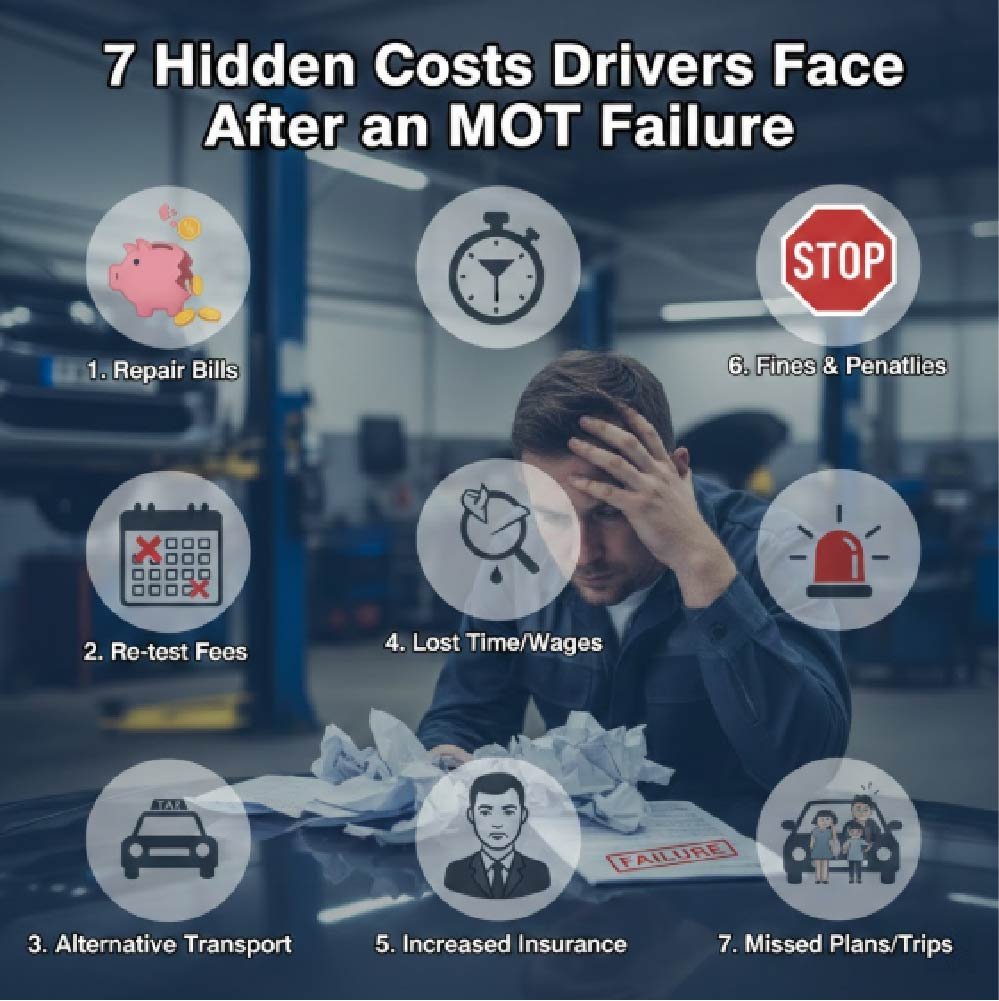
Failing an MOT test is something most drivers hope to avoid, but it happens more often than expected. While many motorists prepare for the standard MOT fee, they are often surprised by the additional expenses that appear after a failure notice. The real financial impact usually comes from repair work, extra inspections, lost time, and indirect costs that are rarely discussed beforehand.
Understanding these hidden costs is essential for anyone who wants to stay financially prepared and avoid unexpected stress. This guide explores the seven most common hidden expenses drivers face after an MOT failure and explains how to manage them effectively.
Why MOT Failures Often Lead to Extra Costs
An MOT test is designed to check a vehicle’s safety, roadworthiness, and environmental performance. Components such as brakes, tyres, lights, suspension, steering, and emissions systems are inspected carefully. If any of these parts fails to meet legal standards, the vehicle cannot pass until the problem is repaired.
What many drivers do not realise is that a failure can trigger a chain reaction of costs. Repairs may reveal deeper mechanical issues, delays can lead to additional charges, and the inability to use the vehicle may create extra financial pressure. Even minor faults can turn into significant expenses when labour and replacement parts are involved. Choosing a reliable MOT Centre in Fleet with transparent pricing can help you understand these costs upfront and avoid unpleasant surprises.
1. Unexpected Repair Bills
The most obvious hidden cost after an MOT failure is the repair work required to make the vehicle roadworthy again. Many drivers expect minor adjustments, only to discover worn brake discs, damaged suspension components, or tyres that need immediate replacement.
Repair costs vary depending on the age and condition of the vehicle. Older cars often require more extensive work, and parts may be more difficult to source. Labour charges also increase when repairs are complex or time consuming.
In some cases, fixing one issue reveals additional problems. For example, replacing worn tyres might uncover alignment or suspension faults that also need attention. This chain of repairs can quickly increase the total cost beyond what drivers initially expected.
Regular vehicle servicing is one of the best ways to reduce the risk of large repair bills. Routine checks help identify worn components early, allowing drivers to plan repairs gradually rather than facing a large expense after an MOT failure.
2. Retest Fees and Additional Testing Charges
Many drivers assume that a retest is always free, but that is not always the case. Whether a retest is free or paid often depends on how quickly the vehicle is returned and whether the repairs were completed at the same garage.
If the vehicle is brought back within a short timeframe, the garage may offer a partial or free retest. However, delays can result in additional charges. In some situations, drivers may even need to pay for a full MOT test again if too much time has passed.
These extra testing costs are often overlooked when budgeting for an MOT. Waiting for replacement parts or choosing to repair the vehicle elsewhere can increase the likelihood of extra fees. Planning repairs quickly and maintaining clear communication with the garage can help minimise these expenses.
3. Diagnostic and Inspection Costs
Some MOT failures involve warning lights, emissions problems, or electrical faults that require deeper investigation. In these cases, garages may need to perform diagnostic tests to identify the root cause of the issue.
Diagnostic work is separate from the MOT itself and typically involves additional labour charges. Technicians may need to use specialised equipment, run electronic scans, or carry out detailed mechanical inspections before repairs can begin.
While these checks are necessary to fix complex issues correctly, they can significantly increase overall costs. Drivers who are unaware of diagnostic fees may feel surprised when they receive the final invoice.
To avoid unexpected charges, it is always a good idea to request a detailed estimate before diagnostic work begins. Understanding what the inspection involves can help drivers plan their budget more effectively.
4. Advisory Repairs That Add Up
Even if a vehicle fails for a specific reason, the MOT report often includes advisory notes highlighting parts that are worn or likely to fail soon. Advisories are not immediate failures, but many drivers choose to fix these issues at the same time to avoid another garage visit.
Common advisories include tyres close to the legal limit, brake pads that are wearing thin, or suspension components showing signs of deterioration. While addressing advisories can improve safety and prevent future breakdowns, it also increases the immediate cost of getting the vehicle back on the road.
Ignoring advisories may save money in the short term, but it can lead to more expensive repairs later. Balancing immediate expenses with long term vehicle health is an important decision every driver must make after an MOT failure.
5. Transport and Alternative Travel Expenses
One hidden cost many drivers overlook is the expense of alternative transportation. When a vehicle fails its MOT and is considered unsafe, it cannot be used for everyday driving until repairs are completed.
For drivers who rely on their car for commuting, business, or family responsibilities, this can lead to unexpected spending on taxis, public transport, or car rentals. In some cases, missed workdays or delayed appointments may also create financial losses.
These indirect costs can quickly add up, especially if repairs take several days or require waiting for specialised parts. Planning ahead by having a backup travel option or access to another vehicle can help reduce the impact of these unexpected expenses.
6. Labour Charges and Additional Garage Fees
Labour costs can significantly increase the total price of repairs after an MOT failure. Even relatively small issues may require extensive work if certain parts are difficult to access or if multiple components need to be removed during the repair process.
Some repairs involve dismantling complex systems, which increases the amount of time technicians need to complete the work. Additional fees may also apply for specialist equipment, emergency repairs, or out of hours services.
Drivers sometimes feel surprised when the labour cost exceeds the price of the replacement parts. Requesting a clear breakdown of labour charges before approving repairs can help prevent misunderstandings and ensure full transparency.
7. Legal Risks and Financial Penalties
Failing an MOT can also lead to hidden legal costs if the vehicle is driven when it is considered unsafe. Driving an unroadworthy vehicle can result in fines, penalty points, or even invalidated insurance in the event of an accident.
For example, tyres below the legal tread limit or defective lights can lead to penalties if not repaired promptly. Insurance companies may also refuse to cover accidents involving vehicles that are not legally roadworthy.
These legal consequences are often overlooked but can significantly increase the overall financial burden following an MOT failure. Ensuring repairs are completed quickly and avoiding unnecessary driving until the vehicle passes its retest can help drivers stay on the right side of the law.
The Long Term Financial Impact of MOT Failures
Beyond the immediate expenses, repeated MOT failures can affect the long term value of a vehicle. Frequent mechanical issues may reduce resale value, while ongoing repairs can make ownership more expensive over time.
Drivers who regularly postpone maintenance often face larger repair bills in the future. On the other hand, consistent servicing and early problem detection can reduce the risk of costly failures and improve the vehicle’s lifespan.
Understanding the broader financial impact of MOT failures encourages drivers to adopt a more proactive approach to vehicle care. Small investments in maintenance today can prevent significant expenses tomorrow.
How Drivers Can Reduce Hidden Costs
Although some expenses are unavoidable, there are several practical steps drivers can take to minimise financial surprises after an MOT failure.
Regular servicing keeps essential components in good condition and reduces the likelihood of major faults. Pre-MOT inspections allow drivers to identify problems before the official test, giving them time to compare repair options and plan their budget.
Addressing minor issues early prevents them from developing into expensive repairs later. Finally, setting aside a small emergency fund for vehicle maintenance can provide peace of mind when unexpected costs arise.
Why Choose TJ Services Fleet As a Service Provider?
Choosing TJ Services Fleet as your service provider ensures your vehicle receives professional, reliable, and transparent care at every stage of the MOT process. Their experienced technicians use modern diagnostic tools and quality parts to identify issues accurately and carry out efficient repairs that help you pass your MOT with confidence.
With a strong focus on honest pricing, clear communication, and fast turnaround times, TJ Services Fleet helps reduce unexpected costs and keeps your vehicle safe, compliant, and ready for the road.
Get directions to TJ Services Fleet and book your pre-MOT inspection today to avoid unexpected repair costs.
Conclusion
An MOT failure is rarely just about the test itself. Hidden costs such as repair bills, retest fees, diagnostic charges, advisory repairs, alternative travel expenses, labour costs, and potential legal penalties can quickly increase the total financial impact.
By understanding these common hidden expenses, drivers can plan ahead, maintain their vehicles more effectively, and avoid unexpected financial stress. Regular maintenance, early inspections, and clear communication with your garage are key strategies for reducing costs and keeping your vehicle safe and roadworthy.
Being prepared does not just help you pass your next MOT. It also ensures safer driving, improved reliability, and better control over your long term vehicle expenses.

How to Fix “Error Connecting to Server” on WebRTC Video Chats

Scaling Modern Applications: A Guide to Microservices and AWS Expertise

Evaluating a Fast Turn PCB Partner for High-Frequency Applications

Why Roaming Can Be a Problem Abroad and How an eSIM Can Help

Do You Really Need a Watch Winder for Your Automatic Watch?

Why Sportswear Is No Longer Limited to Athletes

The Name Necklace Trend Is Back, But More Grown-Up

A Clearer Route to Reliable professional drain clearance and CCTV inspection

Is The High Street Bank Losing Its Grip On UK Business Loans?

TabooTube Explained: The Powerful Platform for Unfiltered Content

SSIS 469: Fixing SQL Data Errors in ETL Workflows

content://cz.mobilesoft.appblock.fileprovider/cache/blank.html: Explained with Powerful Insights

Scrolller Explained: The Powerful Way to Browse Reddit Images

Zavalio com Explained: The Ultimate Truth You Must Know

adswynk com: Monetize Links With Smart Ads in 2025

Deshoptec com Review: Powerful Truth About This Online Store

kz43x9nnjm65: The Smart Code Transforming Digital Technology

Novafork: The Best Free Streaming Site for Movies, Shows & Anime

Milohacherry Coin Explained: The Powerful Lifestyle Crypto Rewarding Travel & Fitness
-
 Blog10 months ago
TabooTube Explained: The Powerful Platform for Unfiltered Content
-
 Blog12 months ago
SSIS 469: Fixing SQL Data Errors in ETL Workflows
-
 Blogs1 year ago
content://cz.mobilesoft.appblock.fileprovider/cache/blank.html: Explained with Powerful Insights
-
 Blog10 months ago
Scrolller Explained: The Powerful Way to Browse Reddit Images