
Blog
Rodwajlery: Powerful Dogs with a Loyal Heart

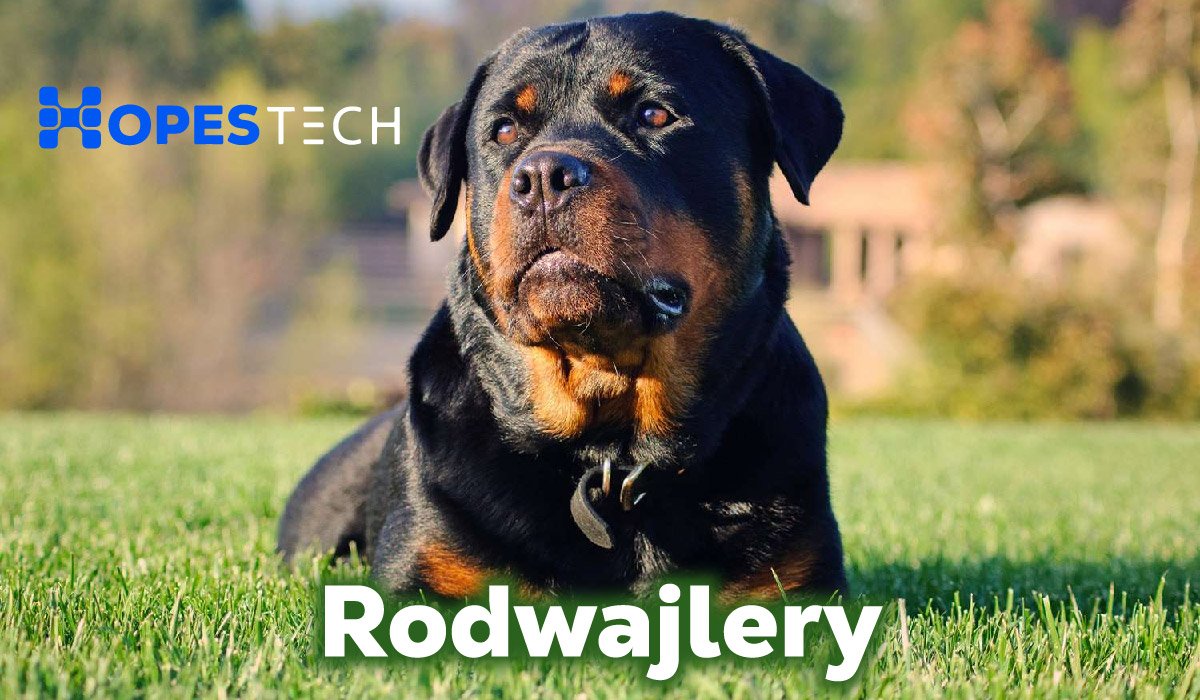
Rodwajlery, more widely known in English as Rottweilers, have captivated dog lovers, historians, and working dog enthusiasts for centuries. These powerful, intelligent, and deeply loyal dogs have a legacy that stretches back more than 2,000 years, making them one of the oldest and most enduring breeds in the canine world. The term “Rodwajlery” is the Polish version of “Rottweilers,” and in both languages, the name brings to mind strength, courage, and unwavering devotion.
This article explores the remarkable journey of rodwajlery—from ancient Roman battlefields to modern homes—highlighting their origins, physical features, temperament, care, training, health, and their symbolic presence in today’s culture. Whether you’re a potential dog owner, a breed enthusiast, or someone seeking to understand the essence of rodwajlery, this comprehensive guide will provide all the informative details you need to fully appreciate the breed’s significance.
From Roman Legions to Polish Homes – The Origin of Rodwajlery
The story of rodwajlery begins on the roads and battle camps of the Roman Empire. Over two millennia ago, Roman soldiers depended on large, mastiff-type dogs to herd livestock, guard encampments, and travel across vast European territories. These early dogs were strong, loyal, and capable of enduring long journeys while managing herds and intimidating intruders. As Roman legions moved through southern Germany, they settled in a region that later became known as Rottweil.
Here, their dogs bred with local herding breeds, leading to the creation of a new type of dog: the Rottweil Metzgerhund, or “Butcher’s Dog of Rottweil.” This working dog became an essential part of life in the town of Rottweil, where it helped herd cattle, pull carts of meat, and protect valuables for merchants. This is the origin of the rodwajlery we recognize today—a direct descendant of ancient Roman canines refined through generations of purposeful breeding in German towns and, eventually, across the world.
The Decline and Renaissance of Rodwajlery
Despite their early importance, rodwajlery faced a sharp decline during the 19th century. As railroads became the dominant method for transporting goods, the need for cattle-driving dogs diminished. The once-indispensable rod wajlery became less common, and their population plummeted. Many feared the breed would disappear entirely. However, due to their incredible physical strength, loyalty, and trainable minds, rod wajlery found a new calling in law enforcement and protection roles.
In 1910, German police officially recognized them as valuable service dogs. This recognition marked the beginning of a revival, and enthusiasts soon formed the Allgemeiner Deutscher Rottweiler Klub (ADRK) in 1921 to preserve and promote the breed. Since then, rodwajlery have been reborn as multi-purpose working dogs, performing roles in police, military, rescue, and family protection.
Rodwajlery Around the World
The 20th century saw the rodwajlery breed gain international recognition. They made their way to the United States and the United Kingdom in the 1930s, quickly earning admiration for their work ethic, composure, and loyalty. During both World Wars, dogs were deployed as guard dogs, ambulance assistants, and even messenger dogs on the battlefield. Their versatility earned them respect among military and civilian populations alike. In Poland, rodwajlery became particularly cherished.
Known for their strength and protective nature, they are now popular among Polish families who search for rod wajlery szczeniaki (puppies), consider rodwajlery cena (price), and even look for psy rodwajlery za darmo (free Rottweilers) through adoption. Their reputation in Poland continues to grow as people recognize their ability to serve as both faithful companions and fearless guardians.
Physical Characteristics That Reflect Their Legacy
Rodwajlery are instantly recognizable due to their muscular frame, broad chest, and commanding presence. Medium to large in size, males typically weigh between 95 and 135 pounds (43–61 kg), while females range from 80 to 100 pounds (36–45 kg). They have a short, dense double coat that is almost always black with distinct rust-colored markings above the eyes, on the muzzle, chest, and legs. Their deep brown eyes radiate confidence and intelligence, while their strong legs and wide chest demonstrate their capacity for heavy physical work.
Breed standards emphasize a balanced structure—neither too lean nor overly bulky. Grooming needs are relatively low, though weekly brushing helps control shedding, especially during seasonal changes. While tail docking was once common, modern ethics and evolving laws have led to more rodwajlery being seen with natural tails, adding to their expressive body language.
Rodwajlery Temperament – Loyalty in Every Cell
The true magic of rodwajlery lies not just in their appearance, but in their temperament. These dogs are known for their fierce loyalty and calm, composed demeanor. A properly raised rodwajlery is affectionate with its family, reserved with strangers, and naturally protective. They are not inherently aggressive but will react with precision and courage if they perceive a threat to their loved ones. Rodwajlery thrives on structure and consistency.
They bond deeply with their owners and prefer to stay close rather than wander off or be left alone. Despite their imposing look, they are often gentle giants—especially with children and other animals if socialized early. Their confidence and steadiness make them ideal not only as guard dogs but also as therapeutic companions for individuals in need of emotional support.
Training Rodwajlery – From Pup to Protector
Training rodwajlery is both essential and rewarding. Their intelligence and desire to please make them quick learners, but their strong will also demands a firm, consistent handler. Early socialization is critical. From 8 weeks onward, puppies should be introduced to various environments, people, and other pets to build trust and prevent anxiety or aggression later in life. Obedience training should emphasize positive reinforcement—treats, toys, praise—rather than punishment.
Harsh correction methods can backfire, causing fear-based reactions. Rod wajlery respond best when treated like teammates in a working partnership. As they grow, many rodwajlery excel in advanced training, such as agility courses, therapy work, or protection services. Their strong memory, high drive, and love of mental stimulation mean they enjoy learning and need regular mental challenges to stay balanced.
Exercise and Activity Needs
Rodwajlery were bred to work, and their energy level reflects this heritage. They require a minimum of one to two hours of physical activity each day to stay healthy and happy. This can include long walks, hiking, jogging, or structured play sessions like fetch. Beyond physical exercise, they need mental stimulation—puzzle toys, scent detection games, and advanced command training are great ways to keep their minds sharp.
Without adequate stimulation, rodwajlery may become bored, frustrated, or even destructive. A well-exercised rodwajlery is a well-behaved rodwajlery. For city dwellers, access to a park or open space is a plus. For rural owners, a fenced yard offers a secure space for free play. No matter the environment, rodents thrive in homes where movement, routine, and purpose are part of daily life.
Diet and Nutrition for Rodwajlery
Feeding rodwajlery the right diet is vital to maintaining their health and strength. A high-protein diet supports their muscular frame, while healthy fats, carbohydrates, and essential vitamins ensure overall wellness. Owners should prioritize quality commercial dog food or consult with a veterinarian for tailored raw or home-cooked options. Portion control is critical, as rodwajlery are prone to obesity if overfed. Feed them in measured servings twice daily and avoid giving too many treats or table scraps. Always ensure access to fresh water. Supplements like glucosamine or fish oil can support joint health, especially for active or aging rodwajlery. Nutritional needs may vary based on age, weight, and activity level, so regular dietary assessments are recommended throughout the dog’s life.
Health Concerns Every Owner Should Know
Rodwajlery, like many large breeds, has certain genetic health risks that responsible owners should monitor. Hip and elbow dysplasia are common due to their size and structure, and symptoms can appear as limping, stiffness, or reluctance to move. Bloat (gastric torsion) is another serious condition that can strike suddenly, requiring immediate veterinary attention. This condition causes the stomach to twist, cutting off blood flow.
Rodwajlery are also at increased risk of heart conditions such as aortic stenosis and cardiomyopathy. Cancer, particularly bone cancer, is another health concern in older dogs. To manage these risks, regular veterinary checkups, genetic screening from ethical breeders, and preventative care are crucial. With the right health plan, rod wajlery can enjoy a full life span of 8–10 years, and in many cases, even longer.
Grooming and Daily Care
Despite their rugged look, rodwajlery are fairly low-maintenance in terms of grooming. Their short coat only needs brushing once or twice per week, but during spring and fall shedding seasons, daily grooming helps reduce hair in the home. They should be bathed every few months or when visibly dirty, using dog-friendly shampoo. Regular ear cleaning is important to prevent infections, especially due to their folded ears, which can trap moisture. Dental hygiene—through brushing or dental chews—reduces the risk of gum disease and bad breath. Nail trimming should be done every few weeks, as overgrown nails can cause discomfort or injury. Establishing a grooming routine from puppyhood ensures your rodwajlery stays clean, healthy, and comfortable.
Rodwajlery as Family Dogs – Breaking the Myths
Rodwajlery often faces unfair stereotypes about aggression and danger. In reality, they are among the most loyal and emotionally intelligent breeds when raised with proper care. These dogs crave companionship and are known for forming deep bonds with children and adults alike. They are naturally protective, but this should not be confused with hostility. With early socialization, rodwajlery can live peacefully with other pets and thrive in multi-child households. The key is guidance, respect, and consistency. Teach children to interact gently, and ensure your rodwajlery understands its role within the family pack. When this bond is nurtured correctly, rod wajlery don’t just guard the home—they become part of its very heart.
Rodwajlery in Modern Roles
Today, rodwajlery serve in many impressive roles that reflect their versatility and spirit. From police and military work to therapy and emotional support, they bring a unique mix of power and compassion. Their calm presence under pressure makes them excellent search and rescue dogs. In hospitals and care facilities, trained rod wajlery bring comfort to patients and the elderly. At home, they are protective companions, alerting families to danger while offering affection and stability. This flexibility is why rod wajlery remain one of the most trusted breeds in both working and domestic environments.
Rodwajlery in Language and Symbolism
The word “rodwajlery” itself has evolved into more than just a breed name—it symbolizes loyalty, strength, and individuality. In Polish culture and online communities, it’s often used to describe someone or something dependable, bold, and emotionally aware. As digital language expands, rod wajlery has also become a creative identity marker in usernames, pet blogs, and lifestyle branding. Whether appearing in literature, forums, or memes, the breed represents resilience and protection, earning its place as both a historical figure and a modern-day icon.
Choosing and Raising a Rodwajlery Puppy
Selecting a rodwajlery puppy is a major commitment. Always choose ethical breeders who prioritize health screening, temperament, and proper socialization. Ask for medical histories and meet the puppy’s parents when possible. Once home, begin crate training, leash manners, and basic commands immediately. Create a structured routine with plenty of stimulation, affection, and boundaries. The puppy stage requires time and patience, but investing in early training will result in a balanced adult dog. Raise your rod wajlery with love and leadership, and you’ll gain a lifetime companion who will protect, comfort, and adore you for years to come.
Conclusion
Rodwajlery are more than just dogs—they are living symbols of loyalty, power, and enduring friendship. From their ancient Roman origins to their presence in Polish families today, they have continuously evolved while preserving the qualities that make them exceptional. Their physical strength, emotional depth, and versatility allow them to serve in homes, on battlefields, and in therapy rooms with equal grace. Choosing a rod wajlery means welcoming a guardian, a partner, and a friend. With responsible care, proper training, and daily love, these noble dogs offer a lifetime of protection and connection. Rod wajlery remains timeless because they mirror the values we cherish most—trust, courage, and unwavering devotion.
FAQs About Rodwajlery
What is the meaning of Rodwajlery?
Rodwajlery is the Polish word for Rottweilers, a strong and loyal dog breed known for their protective nature, intelligence, and family-friendly personality. They were originally used for herding and guarding livestock, but are now popular as working dogs and pets.
Are Rodwajlery (Rottweilers) good family dogs?
Yes, Rodwajlery can be very good family dogs when properly trained and socialized from a young age. They are loyal, gentle with children, and very protective of their home and loved ones.
How much exercise does a Rodwajlery need?
A Rodwajlery needs at least 1 to 2 hours of exercise every day. This can include walking, running, playing, or training games. Without enough activity, they may become bored or unhappy.
What should I feed my Rodwajlery?
Feed your Rodwajlery a high-quality dog food rich in protein, with balanced fats and vitamins. Avoid giving table scraps, and always provide fresh water. Portion control is important to avoid weight gain.
What health problems do Rod wajlery often have?
Rod wajlery can be prone to health issues like hip dysplasia, heart problems, and bloat. Regular vet visits, a healthy diet, and exercise can help prevent or manage these problems early.
Read More: Troozer com Review: Shocking Truth About This Risky Website
For More Information, Visit HopesTech

Why Roaming Can Be a Problem Abroad and How an eSIM Can Help

Do You Really Need a Watch Winder for Your Automatic Watch?

Why Sportswear Is No Longer Limited to Athletes

The Name Necklace Trend Is Back, But More Grown-Up

A Clearer Route to Reliable professional drain clearance and CCTV inspection

Is The High Street Bank Losing Its Grip On UK Business Loans?

How Engineering Firms Are Using Technology to Deliver Faster Projects

Why Elasticated Waists Have Stopped Being the Thing Nobody Admits They Own

Magnific for Enterprise: How Global Brands Are Using AI Creative Production at Scale

Micro-Soldering Tools and iPhone Motherboard Repair: A Complete Guide

TabooTube Explained: The Powerful Platform for Unfiltered Content

SSIS 469: Fixing SQL Data Errors in ETL Workflows

content://cz.mobilesoft.appblock.fileprovider/cache/blank.html: Explained with Powerful Insights

Scrolller Explained: The Powerful Way to Browse Reddit Images

Zavalio com Explained: The Ultimate Truth You Must Know

adswynk com: Monetize Links With Smart Ads in 2025

Deshoptec com Review: Powerful Truth About This Online Store

kz43x9nnjm65: The Smart Code Transforming Digital Technology

Novafork: The Best Free Streaming Site for Movies, Shows & Anime

Milohacherry Coin Explained: The Powerful Lifestyle Crypto Rewarding Travel & Fitness
-
 Blog9 months ago
TabooTube Explained: The Powerful Platform for Unfiltered Content
-
 Blog11 months ago
SSIS 469: Fixing SQL Data Errors in ETL Workflows
-
 Blogs1 year ago
content://cz.mobilesoft.appblock.fileprovider/cache/blank.html: Explained with Powerful Insights
-
 Blog9 months ago
Scrolller Explained: The Powerful Way to Browse Reddit Images