
Sports
Why Sportswear Is No Longer Limited to Athletes

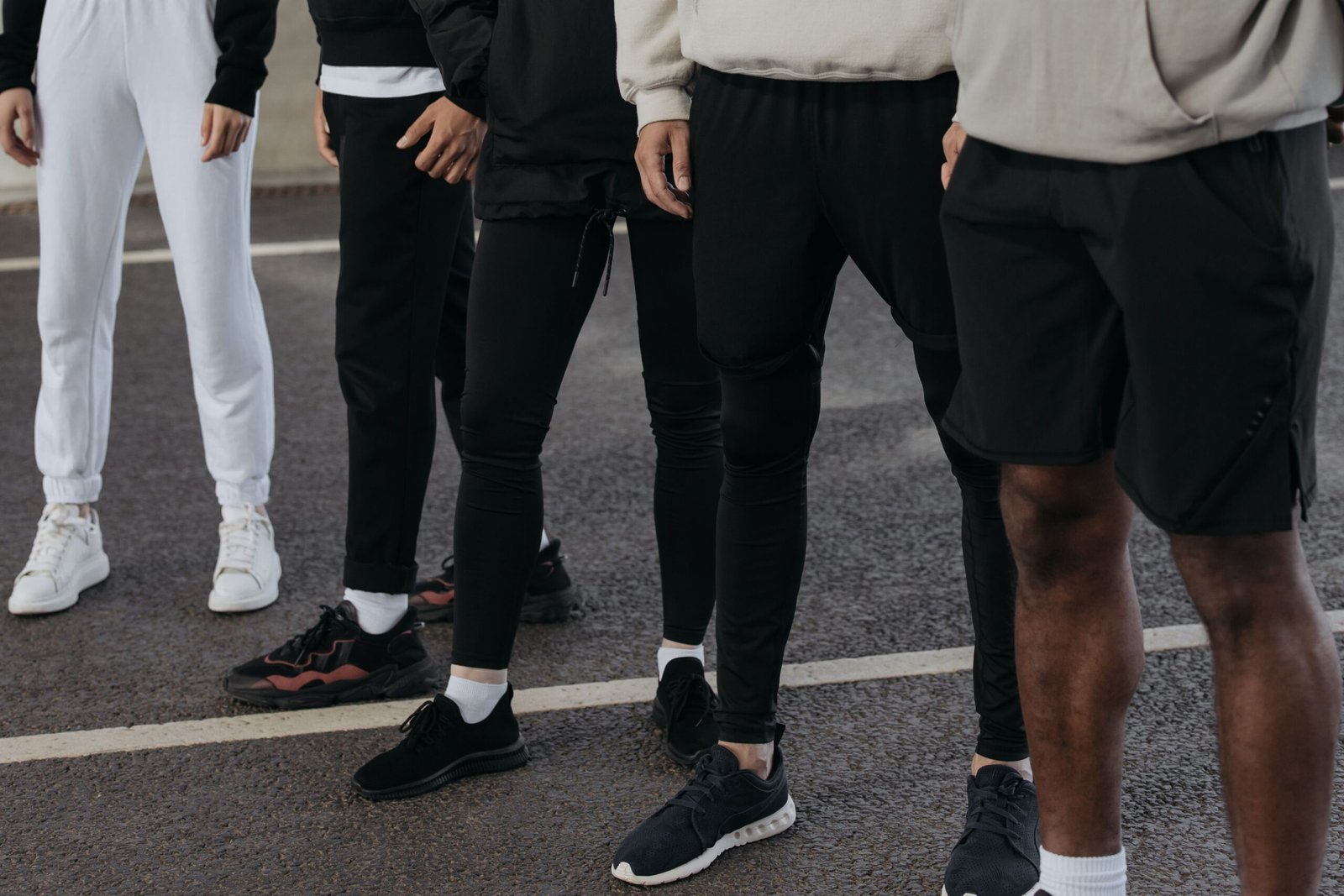
Walk through any airport, coffee shop, or office on a casual Friday, and leggings, joggers, and performance tops are everywhere, worn by people who never set foot in a gym that day. Sportswear trends have shifted dramatically over the past decade, moving performance fabric out of the training studio and into daily life. Understanding why this happened says a lot about how people think about ease and style today.
From the Gym Floor to the Coffee Shop
Athleisure clothing sits right at the center of this shift, mixing the ease and stretch of workout gear with cuts and finishes clean enough for everyday settings. A pair of joggers with a tapered leg and a slightly dressed-up fabric finish can now pass for casual streetwear just as easily as gym wear.
Activewear fashion has embraced this crossover intentionally, with brands designing pieces meant to work in both contexts from the start rather than repurposing pure performance gear after the fact. Softer fabric finishes, more neutral color palettes, and simplified branding all reflect this dual-purpose design approach.
The sportswear industry noticed this shift early and leaned into it, since selling one garment that works for both a workout and a grocery run is a stronger value proposition than selling separate wardrobes for each occasion.
Ease as a Driving Force Behind the Shift
Athletic apparel offers a level of ease that traditional casual clothing often cannot match, and that ease gap is a major reason sportswear trends have taken hold so widely. Stretch fabric moves with the body through a full day of errands and meetings in a way that stiff denim or structured trousers simply do not.
Casual sportswear has also benefited from remote and hybrid work schedules, which loosened dress codes across many industries and gave people more freedom to choose ease over formality daily. Once comfortable clothing became acceptable in more settings, demand for adaptable pieces that could handle both work and workouts grew quickly.
Modern activewear brands like A4 Sportswear responded by expanding beyond pure performance lines into pieces built specifically for this in-between lifestyle, where a single outfit needs to function across several different parts of someone’s day.
What This Means for Fabric and Design Choices
Performance clothing built for this crossover market tends to prioritize a slightly more refined look than gear made purely for intense training. Matte finishes, tapered cuts, and subtle branding replace the bold logos and bright colors typical of pure athletic gear, making pieces easier to wear outside a workout context.
Everyday sportswear still needs to deliver on ease and durability, though, which means fabric technology developed for serious athletes continues to shape even the most casual-looking pieces on the rack. Moisture-wicking and stretch properties remain standard features even in garments marketed primarily for lifestyle wear rather than training.
Brands including Simplstc Apparel track these evolving expectations closely, since customers increasingly expect the same performance qualities in a casual jogger that they would expect from dedicated training gear.
Where the Trend Goes From Here
Sportswear trends show little sign of reversing, with more traditional fashion brands now incorporating stretch fabric and athletic construction into pieces that would have looked purely formal just a few years ago. This mixing of categories has effectively normalized performance fabric as a baseline expectation across much of the broader apparel industry.
Retailers have responded by organizing store layouts and online categories around this crossover draw, grouping athletic apparel alongside casual basics rather than keeping them in entirely separate sections. This shift reflects how shoppers actually browse and buy today, treating ease as a standing requirement rather than something reserved only for workout days.
How Shoppers Are Rebuilding Their Wardrobes Around This Trend
Many shoppers now build their everyday wardrobe around a small rotation of adaptable pieces rather than separate collections for work, workouts, and weekends. A well-fitted jogger, a breathable pullover, and a pair of supportive sneakers can now cover most of a typical week without ever feeling out of place.
This shift has also changed how people shop, with more buyers reading fabric composition and construction details before purchase, even for pieces they plan to wear casually. Sportswear trends have essentially taught a generation of shoppers to expect performance-level ease as a standard feature, not a premium extra reserved for dedicated training gear.
Smaller wardrobes built this way also tend to be more sustainable in practice, since fewer, more adaptable pieces get worn more often instead of sitting unused between narrowly defined occasions.
How Retail Spaces Reflect This Cultural Shift
Store layouts have changed in response to sportswear trends just as much as product design has. Where activewear was once tucked into a separate corner of a store, many retailers now mix performance pieces directly alongside casual basics, reflecting how customers actually shop rather than how categories were traditionally organized.
Online retail has followed a similar pattern, with search and filtering tools increasingly letting shoppers browse by feature, such as stretch fabric or moisture-wicking properties, rather than strictly by category like gym wear or streetwear. This shift makes it easier for shoppers to find pieces that fit their lifestyle rather than forcing them to choose between separate wardrobes for separate parts of their day.
What This Means for the Next Wave of Shoppers
Younger shoppers entering the market now have never known a clear line between athletic and casual wear, since sportswear trends had already reshaped mainstream fashion well before they started building their own wardrobes. For this group, stretch fabric and moisture control are simply baseline expectations rather than premium features worth paying extra for.
This shift in expectations puts pressure on brands across the entire apparel industry, not just those traditionally focused on athletic gear, to incorporate at least some performance elements into even their most casual offerings. Brands that fail to adapt risk looking outdated next to competitors who have already absorbed these lessons from sportswear into their core product lines.
Final Thoughts
Sportswear trends have reshaped everyday wardrobes by proving that ease and performance do not need to be sacrificed for a clean, casual look. As athleisure clothing continues expanding into new categories, the line between workout gear and daily wear will likely keep blurring, giving shoppers more flexibility in how they dress for whatever the day brings.

Scaling Modern Applications: A Guide to Microservices and AWS Expertise

Evaluating a Fast Turn PCB Partner for High-Frequency Applications

Why Roaming Can Be a Problem Abroad and How an eSIM Can Help

Do You Really Need a Watch Winder for Your Automatic Watch?

Why Sportswear Is No Longer Limited to Athletes

The Name Necklace Trend Is Back, But More Grown-Up

A Clearer Route to Reliable professional drain clearance and CCTV inspection

Is The High Street Bank Losing Its Grip On UK Business Loans?

How Engineering Firms Are Using Technology to Deliver Faster Projects

TabooTube Explained: The Powerful Platform for Unfiltered Content

SSIS 469: Fixing SQL Data Errors in ETL Workflows

content://cz.mobilesoft.appblock.fileprovider/cache/blank.html: Explained with Powerful Insights

Scrolller Explained: The Powerful Way to Browse Reddit Images

Zavalio com Explained: The Ultimate Truth You Must Know

adswynk com: Monetize Links With Smart Ads in 2025

Deshoptec com Review: Powerful Truth About This Online Store

kz43x9nnjm65: The Smart Code Transforming Digital Technology

Novafork: The Best Free Streaming Site for Movies, Shows & Anime

Milohacherry Coin Explained: The Powerful Lifestyle Crypto Rewarding Travel & Fitness
-
 Blog10 months ago
TabooTube Explained: The Powerful Platform for Unfiltered Content
-
 Blog11 months ago
SSIS 469: Fixing SQL Data Errors in ETL Workflows
-
 Blogs1 year ago
content://cz.mobilesoft.appblock.fileprovider/cache/blank.html: Explained with Powerful Insights
-
 Blog10 months ago
Scrolller Explained: The Powerful Way to Browse Reddit Images