
Blog
Piragnia Explained: The Shocking Truth Behind This River Fish

What Is Piragnia?
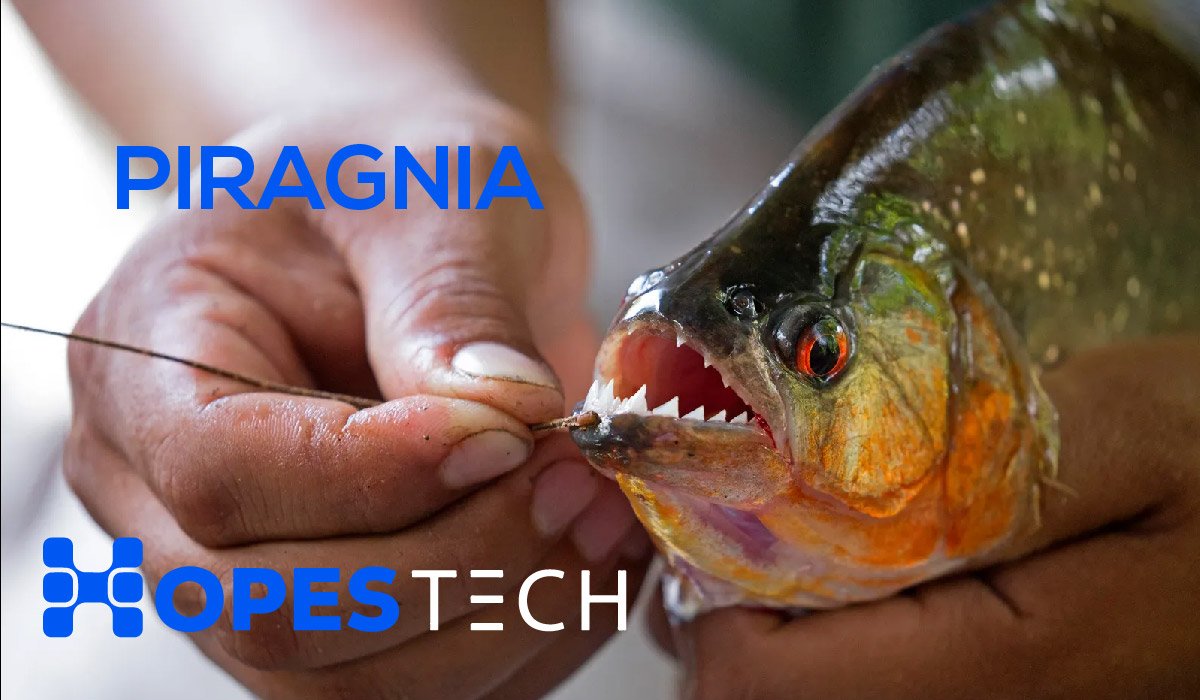
Is Piragnia simply a common misspelling of the word “piranha,” or does it represent something more meaningful within the world of freshwater ecology? The term has piqued curiosity across online search platforms, often used by those exploring aquatic life, especially the feared river fish known for its sharp teeth and ferocious reputation. While the spelling difference may seem minor, it has led to significant confusion and a mixture of myth, media-driven fear, and scientific curiosity. The term “Piragnia” frequently appears in blogs, forums, and even some scientific discussions, prompting a deeper exploration of whether it represents an actual species, a regional name, or just a cultural derivative of the infamous “piranha.”
In essence, Piragnia is often used interchangeably with “piranha,” particularly in informal contexts or regional dialects. It is not a formally recognized genus or species but is believed to be a variant term that emerged due to linguistic shifts, misinterpretations, or even translation errors across different languages. While some might argue that Piragnia is a unique fish, most scientific evidence supports the idea that it is simply a colloquial or alternate representation of the well-documented piranha. Nonetheless, the term has gained traction, and with it, a rich tapestry of meaning worth exploring in its own right.
This article aims to cut through the confusion and deliver an in-depth, factual, and accessible breakdown of what Piragnia truly is. We’ll explore its biological background, cultural interpretations, behavior, diet, habitat, conservation status, and why it continues to captivate public imagination. Whether you’re a curious reader, a researcher, or a nature enthusiast, this comprehensive guide will bring you clarity and insight into the mysterious world of Piragnia.
The Origins and Etymology of the Word “Piragnia”
The name Piragnia appears to have its roots in the indigenous languages of South America, where many aquatic species are named based on physical characteristics or behaviors. Specifically, the word “piranha” originates from the Tupi language—“pirá” meaning fish and “anha” or “ranha” meaning tooth, literally translating to “toothed fish.” The evolution from “piranha” to “piragnia” may reflect local dialectical changes or informal adaptations of the term, particularly among non-native speakers or regions with phonetic variations.
Popular culture has also played a significant role in the spread of the word Piragnia. Movies, video games, and adventure books often exaggerate the image of these fish to heighten suspense and drama. In some cases, screenwriters and authors use slight variations like “pira gnia” either to avoid copyright issues or to create fictional species based on the piranha. Over time, such portrayals have blurred the lines between scientific naming and cultural myth, embedding the term deeper into public consciousness.
Informal internet usage has further cemented the term’s presence. Misspellings, typographical errors, and phonetic similarities have allowed “piragnia” to spread across blogs, wikis, and forums, especially in regions where English is not the primary language. As a result, the name has gained semi-independent identity, even though most experts agree it represents the same family of carnivorous freshwater fish we know as piranhas.
Piragnia vs. Piranha: What’s the Difference?
From a biological standpoint, there is no scientific classification that recognizes Piragnia as a separate species. All known varieties fall under the Serrasalmidae family, which includes piranhas, pacus, and a few related species. The most commonly referenced piranha in both scientific literature and media is the Pygocentrus nattereri, or the red-bellied piranha. Piragnia, in contrast, appears as a general term without clear taxonomic backing.
When it comes to physical traits, piragnia and piranhas are essentially identical. These fish are typically deep-bodied, silver-gray in color with distinctive red underbellies in some species. Their most iconic feature is their sharp, triangular teeth arranged in a single row on both jaws, perfectly adapted for slicing flesh and crushing bones. There is no documented anatomical feature that distinguishes piragnia from the known species of piranha, reinforcing the idea that the two terms refer to the same animal.
Behaviorally, both exhibit opportunistic feeding habits, aggressive defense mechanisms, and schooling behavior. Yet, popular perception often portrays pira gnia as a more dangerous, mythical version—thanks in part to fictional works and exaggerated accounts. These dramatic portrayals have led to public confusion and fear, even though scientific studies show that these fish are generally shy and cautious.
Where Do Piragnia Live? Habitat and Distribution
Piragnia—or more accurately, piranhas—are native to South America’s vast river systems, especially the Amazon and Orinoco basins. These complex waterways provide the ideal environment for these fish to thrive, with warm temperatures, slow-moving currents, and abundant vegetation that offers both shelter and feeding grounds. Their natural habitats are rich in nutrients, which support a diverse range of prey and plant matter.
Environmental preferences of pira gnia include oxygen-rich waters with moderate to dense vegetation. They tend to avoid areas with strong currents, instead favoring floodplains, submerged forests, and muddy backwaters. These areas provide ample hiding spots, making them ideal for breeding and evading predators.
During the rainy season, piragnia migrate into flooded forests, where the rise in water levels opens access to new food sources such as fallen fruits, insects, and smaller fish. This seasonal behavior plays a crucial role in their reproductive cycle and ecosystem impact. In recent years, they have also been introduced—both intentionally and illegally—into non-native ecosystems in Asia and the United States, where their presence has raised concerns about ecological disruption due to their predatory nature.
Physical Characteristics of Piragnia
The typical piragnia ranges between 15 to 30 centimeters in length, though some species can grow larger under optimal conditions. They have a compact, laterally compressed body that helps them navigate dense underwater foliage and avoid larger predators. Their coloring varies by species, often including hues of silver, gray, red, or black, which help them blend into murky waters.
One of the most talked-about features of piragnia is its formidable set of teeth. These razor-sharp, triangular teeth are interlocked to ensure a powerful, shearing bite. Bite force studies have shown that these fish can exert significant pressure relative to their body size, rivaling that of much larger carnivorous animals. This anatomical feature makes them highly efficient at tearing into flesh or cracking open shells.
Beyond jaws and teeth, piragnia have a specialized swim bladder that aids in buoyancy control, allowing them to remain stable while hunting or hovering. Their sensory organs, such as laterally positioned eyes and electroreceptors, help them detect vibrations and movement in murky water. These adaptations collectively make them not just predators, but also vital indicators of freshwater ecosystem health.
Feeding Habits and Diet of Piragnia
Despite their fearsome reputation, piragnia are omnivorous and opportunistic feeders. Their diet is highly adaptable, allowing them to consume a variety of food sources depending on availability. This includes smaller fish, aquatic insects, crustaceans, seeds, plant matter, and decomposing organic material. During times of scarcity, they will scavenge on dead animals or leftover prey, playing an essential role in riverine cleanup.
Feeding strategies are influenced by environmental conditions. In nutrient-rich waters, pira gnia may feed passively on floating fruits and seeds. In more competitive or low-resource settings, they may display aggressive behavior to secure food. This adaptability explains why they have persisted across diverse environments for thousands of years.
The myth of “feeding frenzies” stems largely from stress-induced behaviors observed during artificial feeding in captivity or in environments with extremely limited food. In natural conditions, however, piragnia typically feed in short, calculated bursts and often retreat to safer zones immediately after.
Behavior and Social Structure
Piragnia exhibit complex social behavior, particularly in their juvenile stages where they form tight schools for protection against predators. These schools, sometimes consisting of hundreds of fish, help reduce individual risk while increasing foraging success. This behavior is a prime example of cooperative survival strategies in the aquatic world.
Triggers for aggression include territorial defense, scarcity of food, and breeding competition. However, aggression is not a default mode for these fish; in stable environments, they show cautious and even timid behavior. Environmental stressors like low oxygen, temperature spikes, and human activity can, however, amplify aggression levels.
Behavioral studies conducted in controlled environments have revealed surprising cognitive capabilities, such as pattern recognition and social learning. These findings suggest that piragnia are not mindless biters but rather intelligent and adaptive creatures, capable of complex decision-making processes.
Piragnia’s Role in the Ecosystem
As both predators and scavengers, piragnia help maintain balance in aquatic ecosystems. They regulate populations of smaller fish and invertebrates, preventing overpopulation and reducing the spread of disease. By consuming decaying organic matter, they act as natural waste disposers, contributing to the cleanliness and health of the river system.
Another lesser-known role is seed dispersal. During flood seasons, piragnia consume fruits and seeds that fall into the water. These are often excreted in different parts of the river, aiding in the spread of plant life along riverbanks. This makes them unexpected contributors to both aquatic and terrestrial biodiversity.
Their presence is often considered a bioindicator—a sign of water quality and ecosystem stability. Healthy piragnia populations suggest that their environment is relatively unpolluted and functioning well, making them a key species for ecological monitoring.
Common Myths and Misconceptions About Piragnia
The fearsome image of Piragnia has been shaped largely by sensationalist media, horror films, and exaggerated survival tales. One of the most persistent myths is that piragnia will swarm and skeletonize any creature—human or animal—that enters the water. While it’s true that piragnia have sharp teeth and can bite, actual attacks on humans are extremely rare and usually occur under stressful environmental conditions like drought or food scarcity. Most species of piragnia are cautious and avoid confrontation unless provoked. The idea of mindless killing machines is more Hollywood fiction than biological reality. In truth, they are opportunistic feeders that prefer scavenging or hunting small, manageable prey rather than launching unprovoked group attacks.
Piragnia in Indigenous Culture and Storytelling
Among many indigenous communities living along the Amazon and Orinoco rivers, pirag nia are not just feared but also deeply respected. Tribal folklore often depicts these fish as spiritual creatures, capable of protecting sacred waters or punishing those who disrespect the river. In some cultures, pira gnia represent resilience and are symbols of alertness and strength. Artistic representations—such as carvings, tattoos, and ceremonial objects—often incorporate imagery inspired by their sharp teeth or bold colors. These cultural expressions add layers of meaning to how piragnia are perceived, far beyond the simplistic notion of “dangerous fish,” showing how indigenous knowledge embraces them as part of a greater ecological and spiritual system.
Scientific Research and Fossil Discoveries
Modern science continues to study piragnia (and piranha relatives) for their unique bite mechanics and evolutionary history. Recent research has shown that their jaw pressure is incredibly high for their size—enough to crush bone or shells. Paleontologists have also discovered fossils of prehistoric relatives such as the Megapiranha, a 10-million-year-old ancestor that could grow up to a meter in length. These fossils suggest that the lineage of piragnia has ancient roots and may have played a similar ecological role for millennia. In laboratories and field studies, researchers are examining how social dynamics affect their feeding habits and aggression—helping to separate scientific truth from myth.
Are Piragnia Dangerous to Humans?
Despite their reputation, piragnia are not naturally aggressive toward humans. Most bites occur due to provocation, such as accidentally stepping on one, fishing activity, or swimming near nests during the breeding season. Environmental stressors like droughts or low oxygen levels can make pira gnia more defensive, but even then, they typically avoid conflict. In general, if left alone in their natural habitat, piragnia pose minimal risk to humans and should be treated with the same caution and respect as any wild animal—not fear.
Piragnia and Conservation Efforts
Like many river species in South America, piragnia face threats from habitat loss, pollution, and overfishing. Deforestation and dam construction disrupt their breeding areas, while agricultural runoff lowers water quality. In some areas, pira gnia are also harvested for the pet trade or food, leading to concerns about sustainability. Conservation organizations are working to preserve the Amazon’s aquatic biodiversity through education, community engagement, and policy reform. Protecting pira gnia isn’t just about saving one species—it’s about maintaining the delicate balance of an entire ecosystem that millions of people and animals depend on.
Piragnia as Exotic Pets – Legal and Ethical Questions
Because of their unique appearance and mystique, piragnia have entered the exotic pet trade, particularly in the U.S., Europe, and parts of Asia. However, keeping them as pets raises significant challenges. They require large tanks, regulated temperature, proper filtration, and a strict diet. More importantly, in some regions, owning pira gnia is restricted or illegal due to the risk of them becoming invasive if released into local waters. Ethical concerns also arise from capturing wild fish for personal use. Anyone considering keeping pira gnia must be fully informed about their needs and responsibilities and follow local wildlife regulations strictly.
Why the Term “Piragnia” Captivates the Imagination
There’s something inherently captivating about the word Piragnia—it carries the weight of danger, wildness, and ancient mystery. Its close resemblance to “piranha” evokes primal fears, yet its ambiguous identity fuels curiosity. Pira gnia has become more than a scientific term or misspelling—it’s a symbolic representation of how humans mythologize nature. Its image is used in stories, video games, comics, and online discussions as a metaphor for ferocity, survival, and the untamed unknown. This emotional connection helps explain why people search for it, talk about it, and want to know more—even when the science tells a more grounded story.
Final Thoughts
In the end, Piragnia is a term that straddles the line between myth and reality. Though not officially classified as a separate species, it reflects a widespread fascination with one of nature’s most misunderstood freshwater creatures. What began as a spelling variation has evolved into a cultural concept—a name that blends fear, ecology, and curiosity. Science tells us that pira gnia (piranhas) are not mindless killers but ecological contributors that play a vital role in the river systems they inhabit. By understanding them through fact rather than fiction, we gain not only knowledge but also a deeper appreciation for the rich biodiversity of the Amazon and the stories that flow from it.
FAQs About Piragnia
What is Piragnia?
Piragnia is a common name often used to describe piranha-like fish found in South America. It is not a separate species but usually refers to piranhas, freshwater fish known for their sharp teeth and strong bite.
Is Piragnia the same as Piranha?
Yes, Piragnia and piranha are generally the same. The word “piragnia” is often a spelling variation or regional name for piranha, especially seen in informal texts or online searches.
Where do Piragnia fish live?
Piragnia live in the Amazon River and other freshwater rivers in South America. They prefer warm, slow-moving water with plants and cover for hiding and feeding.
Are Piragnia dangerous to humans?
Piragnia are not very dangerous to humans. They usually avoid people and only bite if they feel threatened or food is scarce. Most of the scary stories about attacks are myths or exaggerations.
What do Piragnia fish eat?
Pira gnia eat small fish, insects, fruits, and seeds. They are omnivores, which means they eat both meat and plants, depending on what is available in the river.
Read More: Türk Idla: The Powerful New Voice of Turkish Youth Culture
For More Information, Visit HopesTech

Why Roaming Can Be a Problem Abroad and How an eSIM Can Help

Do You Really Need a Watch Winder for Your Automatic Watch?

Why Sportswear Is No Longer Limited to Athletes

The Name Necklace Trend Is Back, But More Grown-Up

A Clearer Route to Reliable professional drain clearance and CCTV inspection

Is The High Street Bank Losing Its Grip On UK Business Loans?

How Engineering Firms Are Using Technology to Deliver Faster Projects

Why Elasticated Waists Have Stopped Being the Thing Nobody Admits They Own

Magnific for Enterprise: How Global Brands Are Using AI Creative Production at Scale

Micro-Soldering Tools and iPhone Motherboard Repair: A Complete Guide

TabooTube Explained: The Powerful Platform for Unfiltered Content

SSIS 469: Fixing SQL Data Errors in ETL Workflows

content://cz.mobilesoft.appblock.fileprovider/cache/blank.html: Explained with Powerful Insights

Scrolller Explained: The Powerful Way to Browse Reddit Images

Zavalio com Explained: The Ultimate Truth You Must Know

adswynk com: Monetize Links With Smart Ads in 2025

Deshoptec com Review: Powerful Truth About This Online Store

kz43x9nnjm65: The Smart Code Transforming Digital Technology

Novafork: The Best Free Streaming Site for Movies, Shows & Anime

Milohacherry Coin Explained: The Powerful Lifestyle Crypto Rewarding Travel & Fitness
-
 Blog9 months ago
TabooTube Explained: The Powerful Platform for Unfiltered Content
-
 Blog11 months ago
SSIS 469: Fixing SQL Data Errors in ETL Workflows
-
 Blogs1 year ago
content://cz.mobilesoft.appblock.fileprovider/cache/blank.html: Explained with Powerful Insights
-
 Blog9 months ago
Scrolller Explained: The Powerful Way to Browse Reddit Images