
Blog
Palentu Explained: The Powerful Digital Platform & Classic Dish

What Is Palentu?
In today’s digital age, where terms can take on layered meanings and evolve across borders, the name “Palentu” stands at a fascinating crossroads. It’s a term stirring curiosity for two distinct yet equally compelling reasons: one, as a rising digital platform for collaboration and creativity, and two, as a traditional cornmeal-based dish cherished in Eastern European and Mediterranean kitchens.
Whether you’ve stumbled upon Palentu in a tech forum or heard it in a family kitchen, its dual identity tells a story of innovation and heritage. In this detailed guide, we’ll explore both facets of Palentu—first as an emerging tech tool poised to redefine online collaboration, and second as a deeply-rooted culinary staple that’s stood the test of time.
From digital creators to culinary enthusiasts, this article will offer a complete picture, rich with insight, relevance, and SEO-driven clarity. If you’re searching for “Palentu app,” “Palentu platform,” or “Palentu vs polenta,” this is the only article you’ll need.
Palentu as a Digital Platform — The Future of Community and Creation
What Is Palentu (Tech Version)?
Palentu, in the tech context, is more than just another digital tool—it’s a community-driven platform where creativity, productivity, and social interaction converge. Unlike traditional software that fits into a single category, Palentu blurs the lines between a collaborative workspace, a creative studio, and a social network.
Its modular design allows users to mold the platform around their specific needs, whether that’s project management, content creation, or virtual community building. Comparisons have been drawn between Palentu and tools like Notion for its customizable workspaces, Trello for its task boards, and Discord for its community features. However, Palen tu is not a clone—it represents a new wave of digital tools that embrace versatility, interactivity, and user ownership.
Key Features and Tools
What makes Palentu stand out is its combination of clean design and powerful functionality. The interface is intentionally minimal, reducing friction for new users while offering depth for power users. Users can create dashboards, drag-and-drop widgets, embed media, and even automate task flows within a few clicks. Its modular workspace templates—ranging from content calendars to CRM boards—can be edited collaboratively in real time, making it an ideal hub for teams and remote workers.
Palentu also includes profile-based navigation, activity feeds, comment threads, and content reactions, giving it a social flavor often missing from productivity tools. Perhaps most uniquely, Palen tu includes light gamification—offering badges, milestones, and streaks for active participation, encouraging users to engage consistently without being overwhelmed.
Who Should Use Palentu?
Palentu is designed for flexibility, and this makes it valuable across a wide spectrum of users. Freelancers such as writers, designers, and video editors can use Palentu as a digital portfolio and project dashboard. Startups and small businesses benefit from the platform’s CRM-like features and real-time communication tools, all without the cost or complexity of enterprise software. Educators and digital classrooms can design interactive syllabi, host group discussions, and assign collaborative tasks in a way that promotes engagement and creativity. Creators and online communities will appreciate the platform’s social elements and customizable spaces that allow for genuine community building without the noise of mainstream social media.
Getting Started with Palentu
One of Palentu’s greatest strengths lies in its seamless onboarding experience. Signing up takes only a few minutes, after which users are invited to create a personalized profile that defines their goals and preferred interactions. You can link your social accounts, upload a banner, and choose between public or private visibility. From there, users can explore a library of templates—including content planners, event trackers, community hubs, or even finance dashboards. Users are also encouraged to interact with the Palentu community, where shared spaces and discoverable content allow for organic connection and collaboration. The platform guides users through interactive tooltips, video tutorials, and prompts that make setup intuitive even for non-technical users.
Why It Stands Out
In a world full of software overload and bloated platforms, Palentu keeps things refreshingly focused. It’s built around its users, incorporating their feedback into every major update. The development team is known for listening to early adopters, rapidly shipping improvements, and maintaining transparency on their public roadmap. Palen tu doesn’t aim to replace everything—it instead excels in blending community with productivity, and that simplicity makes it both scalable and future-proof. Whether the digital landscape shifts toward AI collaboration, virtual coworking, or privacy-first interaction, Palentu is well-positioned to adapt while keeping its core values intact.
Pros and Cons of the Platform
| ✅ Pros | ⚠️ Cons |
|---|---|
| Flexible and user-friendly | Still in early access/beta |
| Real-time collaboration | Limited third-party integrations |
| Clean, minimal design | Small but growing user base |
| Community meets productivity | Roadmap not yet fully public |
| Light gamification keeps it fun | Less enterprise-focused features |
Palentu as a Traditional Dish — A Culinary Classic with Many Names
What Is Palentu (Food Version)?
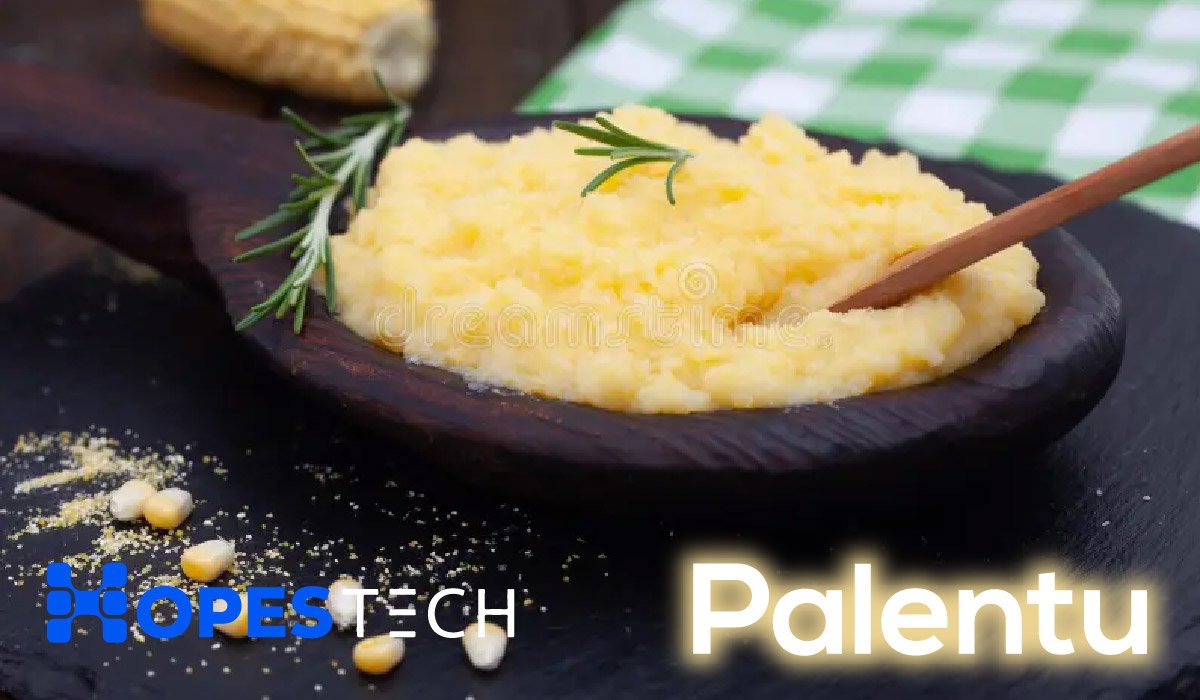
In the culinary world, Palentu refers to a hearty cornmeal-based dish with deep roots in Eastern Europe and the Mediterranean. Similar in texture and preparation to Italian polenta or Slovenian žganci, Palen tu is a dish that reflects simplicity, versatility, and comfort. It begins as a soft, creamy porridge made by cooking cornmeal in water, milk, or broth. Once cooled, it can be sliced and grilled, fried, or baked to transform its texture.
Regional variations abound—some add cheese, others mix in herbs, and many enjoy it plain with savory sauces or roasted vegetables. While the name “Palentu” is less globally known, it holds local significance in places like Croatia, Serbia, and Romania, where it forms the backbone of traditional home cooking.
Historical Background
Palentu’s story begins in the 16th century when corn was introduced to Europe from the Americas. Prior to this, grains like millet, barley, and wheat were used in porridge-style meals. Cornmeal quickly gained popularity due to its low cost, wide availability, and ease of preparation. Over centuries, each region adapted it to suit local flavors and customs. In the Balkans, Palentu became a staple dish—often paired with sour dairy or meats in agricultural households. In Italy, it evolved into “polenta,” frequently served with mushrooms or gorgonzola. In Romania, a similar dish called mămăligă is a daily staple. Though each variation differs slightly in texture and name, the essence remains the same: a humble, nutritious, and deeply satisfying meal.
How to Make Palentu
Palentu is one of those dishes that proves simplicity can be delicious. The traditional preparation involves just three ingredients: cornmeal, liquid (water, broth, or milk), and salt. To prepare, bring your liquid to a boil, then slowly whisk in the cornmeal to avoid clumping. Reduce the heat and stir regularly for 20 to 30 minutes, allowing the mixture to thicken into a creamy consistency. Some prefer to enrich the dish with butter, cheese, or herbs.
Once done, you can serve it soft, like porridge, or let it cool in a mold. Once firm, it can be sliced and fried for a crispy, golden finish. Modern kitchens also use pre-cooked cornmeal to cut down on time, though traditionalists still prefer the slow-simmered method for its deeper flavor.
Palentu Serving Ideas
One of the best things about Palentu is its culinary versatility. It can be served as a base, a side, or a main dish depending on what it’s paired with. In Balkan households, soft Palen tu is often served with beef stew, roasted pork, or sausage, absorbing the rich sauces beautifully. For vegetarians, it’s a perfect pairing with grilled zucchini, mushrooms, and red peppers. Cheese lovers often sprinkle feta, Parmesan, or cottage cheese on top. After cooling, the firm version can be sliced into sticks or squares and pan-fried until crispy—perfect as a snack or appetizer. Whether you’re preparing a rustic family dinner or experimenting with modern plating, Palen tu fits the bill.
Nutritional Value
Palentu is not just comforting—it’s nutritionally respectable, too. Made primarily of cornmeal, it’s a rich source of complex carbohydrates, providing steady energy and fullness. It’s naturally gluten-free, making it an excellent option for those with gluten sensitivity or celiac disease. A basic serving is low in fat, though this can increase if cheese, butter, or cream is added. Cornmeal also contains small amounts of fiber, iron, and magnesium, and when combined with legumes or dairy, it becomes part of a complete protein. Health-conscious cooks can make Palen tu with vegetable broth and olive oil to keep it light yet satisfying.
Palentu in Culture — A Dish and a Digital Concept
Culinary Culture
Palentu is more than just food—it’s a symbol of tradition, survival, and family. In many rural households across Eastern Europe, it’s a dish that connects generations. Grandparents pass down recipes, often by demonstration, not by measurement. It is often prepared during harvest festivals, family gatherings, or even as comfort food during difficult times. Just like pasta is to Italy or rice is to Asia, Palen tu represents a cultural anchor in the Balkans and neighboring regions.
Digital Culture
Interestingly, the digital platform Palentu is creating its own culture. Early adopters are building spaces defined not by corporate algorithms but by user intention and organic connection. This return to authenticity mirrors the roots of the traditional dish. Just as culinary Palen tu represents nourishment and simplicity, digital Palen tu echoes those values by focusing on community, utility, and creativity—a blend that feels refreshing in a tech world often defined by excess.
Common Misunderstandings Around Palentu
Palentu vs Polenta
A common question is whether Palentu and polenta are the same thing. The answer is nuanced. Technically, they are variations of the same base dish—cornmeal porridge—but “Palen tu” is a regional term used in some Slavic and Mediterranean communities. Linguistic drift and local pronunciation often lead to differences in spelling or emphasis, even when the preparation is nearly identical. This often causes confusion online, especially among recipe seekers or food bloggers.
Palentu App vs Palen tu Dish
Another confusion arises when searching for “Palentu” online—you might find links to both a tech platform and a cornmeal dish. SEO-wise, it’s important for content creators and readers to clarify their context. Search terms like “Palen tu app,” “Palen tu workspace,” or “Palen tu cornmeal dish” can help disambiguate the intent and provide clearer results. Both meanings are valid and relevant, but clarity is key in digital navigation.
How to Explore or Experience Palen tu Yourself
Join the Platform
If you’re curious about the digital side of Palentu, you can sign up via their official website or wait for beta invites if still in development. Communities discussing Palen tu can be found on Reddit, IndieHackers, and design forums, where early users share feedback and workspace screenshots. There, you’ll discover how people are using Palen tu to manage content, launch startups, or build educational hubs.
Cook the Dish
To experience Palentu as a dish, all you need is some quality cornmeal and a pot. You’ll find regional recipes on Croatian food blogs, Romanian YouTube channels, or even in classic Mediterranean cookbooks. Choose your style—creamy with butter, grilled with cheese, or vegan with herbs—and you’ll instantly connect to a long culinary tradition. It’s one of those rare meals that feels both ancient and modern.
Conclusion
Palentu stands at a unique intersection where digital innovation meets ancestral tradition. As a platform, it represents the future of user-first design, creative collaboration, and online community building. As a dish, it embodies the values of resilience, comfort, and cultural identity. In both cases, Palen tu is about bringing people together, whether around a digital table or a dinner one. Whether you’re exploring the next generation of tools or the next recipe for your Sunday meal, Palen tu is worth your attention. It’s not just a word—it’s a movement, a memory, and a meaningful name for 2025 and beyond.
FAQs About Palentu
1. What is Palentu?
Palentu has two meanings. It refers to a modern digital platform designed for collaboration, creativity, and community building, and it also refers to a traditional cornmeal-based dish similar to polenta that is popular in parts of Europe. The meaning depends on the context in which the word is used.
2. Is Palentu the same as polenta?
Palentu is very similar to polenta, but the name is often used as a regional or dialect variation. While polenta is the more widely recognized Italian term, Palentu is used in some Balkan and Eastern European regions to describe a nearly identical cornmeal dish.
3. What is Palentu used for as a digital platform?
As a digital platform, Palentu is used for collaboration, content creation, and community interaction. Users can manage projects, share ideas, work together in real time, and connect socially within customizable digital workspaces.
4. Is Palentu gluten-free?
Yes, Palentu is naturally gluten-free when referring to the traditional dish because it is made from cornmeal. This makes it suitable for people with gluten intolerance or celiac disease, as long as no gluten-containing ingredients are added.
5. Is Palen tu a food or an app?
Palentu can be both. Some people use the word to describe a digital app or platform, while others use it to refer to a traditional cornmeal dish. This dual meaning is common online and is why Palen tu appears in both tech-related and food-related searches.
Read More: Veneajelu Explained: The Beautiful Finnish Boat Tradition
For More Information, Visit HopesTech

Why Roaming Can Be a Problem Abroad and How an eSIM Can Help

Do You Really Need a Watch Winder for Your Automatic Watch?

Why Sportswear Is No Longer Limited to Athletes

The Name Necklace Trend Is Back, But More Grown-Up

A Clearer Route to Reliable professional drain clearance and CCTV inspection

Is The High Street Bank Losing Its Grip On UK Business Loans?

How Engineering Firms Are Using Technology to Deliver Faster Projects

Why Elasticated Waists Have Stopped Being the Thing Nobody Admits They Own

Magnific for Enterprise: How Global Brands Are Using AI Creative Production at Scale

Micro-Soldering Tools and iPhone Motherboard Repair: A Complete Guide

TabooTube Explained: The Powerful Platform for Unfiltered Content

SSIS 469: Fixing SQL Data Errors in ETL Workflows

content://cz.mobilesoft.appblock.fileprovider/cache/blank.html: Explained with Powerful Insights

Scrolller Explained: The Powerful Way to Browse Reddit Images

Zavalio com Explained: The Ultimate Truth You Must Know

adswynk com: Monetize Links With Smart Ads in 2025

Deshoptec com Review: Powerful Truth About This Online Store

kz43x9nnjm65: The Smart Code Transforming Digital Technology

Novafork: The Best Free Streaming Site for Movies, Shows & Anime

Milohacherry Coin Explained: The Powerful Lifestyle Crypto Rewarding Travel & Fitness
-
 Blog9 months ago
TabooTube Explained: The Powerful Platform for Unfiltered Content
-
 Blog11 months ago
SSIS 469: Fixing SQL Data Errors in ETL Workflows
-
 Blogs1 year ago
content://cz.mobilesoft.appblock.fileprovider/cache/blank.html: Explained with Powerful Insights
-
 Blog9 months ago
Scrolller Explained: The Powerful Way to Browse Reddit Images