
Blog
Chameleónovité Explained: The Powerful Truth About Color‑Changing Chameleons

Introduction
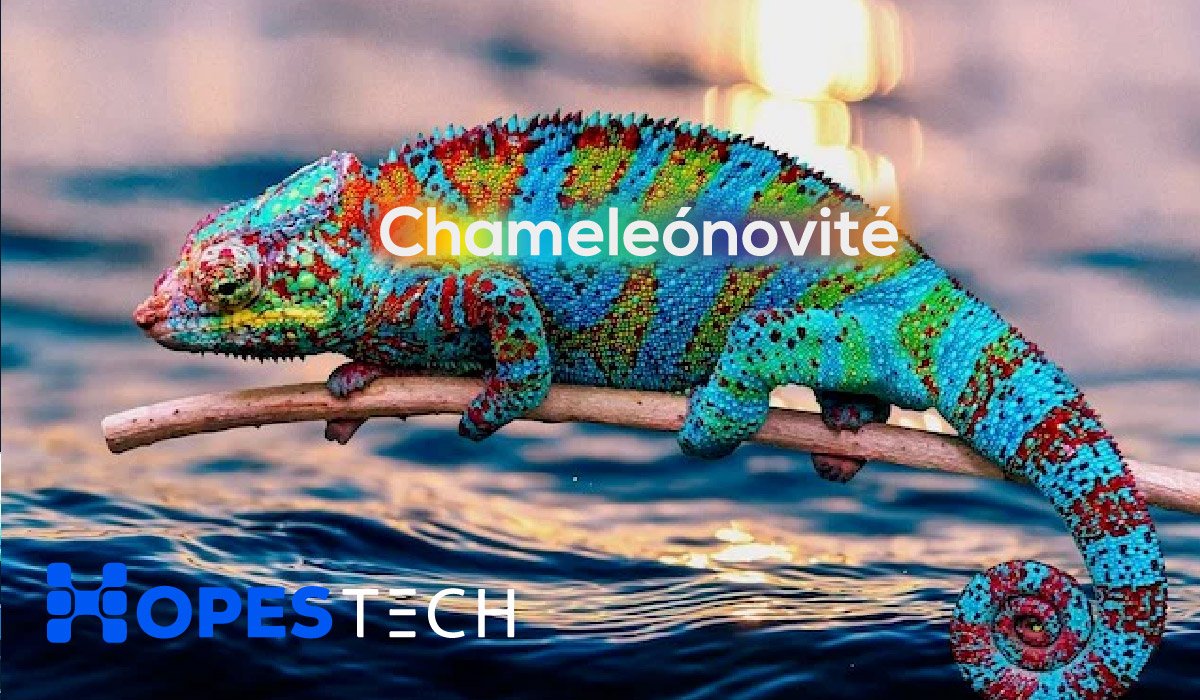
Chameleons have long fascinated humans with their color-changing skin, mesmerizing eyes, and stealthy movements. But behind the mystery lies a complex family of reptiles known in Slovak and Czech as Chameleónovité, scientifically referred to as Chamaeleonidae. These reptiles, known for their biological uniqueness and evolutionary adaptations, have become symbolic of transformation and adaptation not only in nature but also in culture and media.
From the dense rainforests of Madagascar to the arid landscapes of East Africa, chameleons represent some of the most advanced and specialized reptiles in the world. Their distinct features include a projectile tongue, independently rotating eyes, and prehensile tails that support their tree-dwelling lifestyle.
In this detailed and easy-to-read guide, we will explore every aspect of Chameleónovité — their classification, biology, natural habitats, behaviors, reproduction, care in captivity, cultural symbolism, and pressing conservation needs. Whether you’re a student, a pet enthusiast, or a wildlife conservationist, this article will help you understand why these creatures are so important and how we can protect them for generations to come.
What Are Chameleónovité?
Meaning of the Word “Chameleónovité”
The term Chameleónovité is the Central European designation for the reptilian family Chamaeleonidae, widely recognized in biology for their color-changing abilities and unique evolutionary traits. Used commonly in Slovak and Czech scientific and public literature, this term refers to all species within the chameleon family. While the English term “chameleon” is more popular globally, “Chameleónovité” is specific and refers to the entire biological grouping, providing an important taxonomic context when studying these reptiles in Central European and international zoology.
Scientific Classification
Chameleónovité belong to the class Reptilia and the order Squamata, which includes both lizards and snakes. Within Squamata, they fall under the suborder Iguania and the family Chamaeleonidae. This family groups all chameleons, showcasing their evolutionary closeness to iguanas and agamid lizards. The classification breakdown is as follows:
-
Kingdom: Animalia
-
Phylum: Chordata
-
Class: Reptilia
-
Order: Squamata
-
Suborder: Iguania
-
Family: Chamaeleonidae
This classification underscores the biological and evolutionary roots of Chameleónovité, situating them firmly among some of the most adaptive and visually complex reptiles on the planet.
Evolution and History of Chameleónovité
Origins and Fossil Records
The evolutionary history of Chameleónovité traces back tens of millions of years. Fossil evidence from Africa and parts of Europe suggests that early chameleons emerged during the Paleocene and Eocene epochs. These ancient fossils show that the core traits of modern chameleons — such as their specialized feet and prehensile tails — were already developing, proving that these adaptations were crucial for their survival. Fossils discovered in Germany and Kenya reveal primitive forms of Chamaeleonidae, giving paleontologists important insights into their ancient dispersal and environmental preferences.
Adaptive Radiation and Global Spread
Chameleónovité experienced significant adaptive radiation, especially after arriving in Madagascar. The island’s isolation allowed for rapid species diversification across different ecological niches. As a result, Madagascar now hosts nearly half of all known chameleon species. Beyond Madagascar, species also adapted to tropical and subtropical regions across mainland Africa, parts of Europe (such as southern Spain), and even parts of Asia. Their physical traits — such as skin pigment control, gripping limbs, and stealthy behavior allowed them to thrive in environments ranging from lush rainforests to rocky savannas.
Diversity of Chameleónovité – Species and Subfamilies
How Many Species Exist?
There are currently over 200 known species within the Chameleónovité family, and more are being discovered regularly, especially in remote forests of Madagascar and other Indian Ocean islands. This incredible biodiversity reflects the chameleon’s success in evolving to fill various ecological roles, with some species measuring just a few centimeters and others reaching over 60 centimeters in length.
Major Genera and Differences
The major genera within Chameleónovité include Chamaeleo, Furcifer, Trioceros, Brookesia, and Calumma. Each genus exhibits unique adaptations:
-
Chamaeleo: Found mostly in Africa and southern Europe, known for their casque-shaped heads.
-
Furcifer: Endemic to Madagascar; includes the vibrantly colored Panther Chameleon.
-
Trioceros: Noted for horned males and forest-dwelling habits.
-
Brookesia: Tiny ground-dwelling chameleons, masters of camouflage.
-
Calumma: Exclusive to Madagascar’s moist forests with high endemism.
Species differ widely in coloration, body size, crest shape, and behavioral patterns, making Chameleónovité a fascinating case study in evolutionary biology.
Physical Characteristics and Adaptations
Color-Changing Skin
The color-changing ability of Chameleónovité is their most iconic feature. It is controlled by layers of skin cells: chromatophores (pigment-containing) and iridophores (light-reflecting). These cells manipulate how light interacts with the skin, allowing chameleons to shift between greens, reds, blues, and even yellows. Contrary to popular belief, color change isn’t just for camouflage — it’s used for communication, temperature control, mating displays, and expressing stress. For example, a male might brighten when courting a female, while dark tones often signal aggression or fear.
Eyes and Vision
Chameleónovité have turret-like eyes that move independently, giving them nearly 360-degree vision. They can scan their surroundings without moving their head, reducing detection by predators and prey. When spotting prey, both eyes focus forward to provide acute depth perception. Their eyes are capable of detecting ultraviolet light, helping them communicate with potential mates and navigate their environment in ways invisible to humans.
Tongue Projection and Feeding
Chameleons possess one of the most advanced tongue mechanisms in the animal kingdom. Their projectile tongue can launch out at speeds faster than a sports car accelerates — reaching prey at a distance greater than their own body length. The tip is coated with sticky mucus and has suction-like pads, enabling precise insect capture. The retraction is equally powerful, drawing the prey back into their mouths in milliseconds.
Feet, Tail, and Arboreal Movement
Chameleónovité are arboreal specialists. Their zygodactylous feet — with toes fused into grasping pincers — provide a secure grip on branches. A prehensile tail acts as a fifth limb, offering additional balance and support. Their deliberate, slow movements help them remain unnoticed by predators and prey, blending seamlessly into their environment.
Natural Habitat and Geographic Distribution
Where Chameleónovité Live
Chameleónovité are native to Africa, Madagascar, southern Europe, India, and the Middle East. The greatest species diversity is found in Madagascar, making it a global hotspot for chameleon evolution. A few species, like the Mediterranean Chameleon, inhabit parts of Spain, Portugal, and Greece — representing the European presence of this reptilian family.
Types of Habitats
Chameleons inhabit a wide range of ecosystems, including tropical rainforests, high-altitude mountain forests, savannas, woodlands, and even semi-arid zones. Most prefer warm climates with consistent humidity, though some have evolved to survive in dry environments with seasonal shifts.
Biodiversity Hotspots
Madagascar’s forests host dozens of endemic chameleons, including rare and endangered species. The eastern rainforest belt and central highlands are especially rich in microhabitats. Conservation efforts in these areas are critical due to increasing habitat fragmentation and deforestation.
Behavior, Communication, and Defense
Color Change as Communication
Color variation in Chameleónovité is primarily a form of communication. Males signal territory, courtship, and aggression through bright patterns, while females may change color to indicate receptiveness or rejection. Stress, environmental changes, and temperature fluctuations also influence skin tone.
Hunting Techniques
Chameleons are ambush predators, relying on stealth, patience, and quick strikes. Their slow movement allows them to get close to insects without detection. Once within range, they use their high-speed tongues to capture prey, often with pinpoint accuracy.
Territorial and Solitary Nature
Chameleónovité are usually solitary animals, meeting only to mate. Males are territorial and will display threatening postures and colors to deter rivals. If visual threats fail, physical confrontations involving pushing and biting can occur.
Reproduction and Life Cycle
Mating Behavior
Chameleons display complex courtship behaviors. Males exhibit vivid color displays and approach females cautiously. Rejection by females can be dramatic, with darker coloration and defensive posturing.
Egg-Laying and Birth
Most species are oviparous, laying clutches of 10 to 50 eggs in burrows or under leaves. However, some species are ovoviviparous, giving birth to live young. Incubation varies by temperature and species, lasting 3 to 12 months.
Growth and Lifespan
Hatchlings are fully independent and begin hunting immediately. Lifespan varies: small chameleons live 2–5 years, while larger ones like the Veiled Chameleon can live 7–10 years in captivity with proper care.
Chameleónovité in Ecosystems
Role in Food Chains
Chameleónovité help control insect populations, contributing to ecosystem balance. They consume a wide variety of invertebrates and, in some cases, small vertebrates. In turn, they are preyed upon by birds, snakes, and mammals.
Environmental Indicators
Due to their sensitivity to environmental changes, chameleons serve as bioindicators. Declining populations often signal ecological degradation, deforestation, or pollution, especially in fragile island ecosystems like Madagascar.
Chameleónovité as Pets
Popular Species for Captivity
Species like the Veiled Chameleon (Chamaeleo calyptratus) and Panther Chameleon (Furcifer pardalis) are commonly kept as pets. These species are more adaptable to captivity and widely available through breeders.
Ethical Considerations
The exotic pet trade poses serious threats to wild populations. Avoiding wild-caught specimens is crucial. Always choose captive-bred chameleons from ethical sources to discourage illegal wildlife trafficking.
Behavioral Traits in Captivity
Chameleons are visual and display-oriented but not social. They do not tolerate frequent handling and may become stressed. Observation-only interaction is best for their well-being.
Proper Care of Pet Chameleónovité
Ideal Terrarium Setup
Chameleons require vertically oriented enclosures with plenty of climbing branches, foliage (real or artificial), and proper ventilation. A tall terrarium mimics their arboreal lifestyle and reduces stress.
Temperature, Humidity, and Lighting
Maintaining a temperature gradient (day: 25–30°C, night: 18–22°C) is essential. Humidity should be 50–80% depending on species. Use UVB lighting and misting systems to simulate natural conditions.
Feeding and Supplements
Feed a variety of gut-loaded insects (crickets, roaches, worms), dusted with calcium and multivitamin powders. Fresh water should be available through misting or drip systems, as chameleons rarely drink from bowls.
Health Issues and Prevention
Common issues include metabolic bone disease, dehydration, and respiratory infections. Proper UVB, calcium intake, and environmental monitoring are key to preventing illness.
Conservation of Chameleónovité
Threats to Survival
Chameleónovité face habitat loss from deforestation, climate change, and illegal pet trade. Many species are now endangered, especially those with limited ranges in Madagascar.
IUCN Red List and Endangered Species
Several species are listed as Vulnerable or Endangered on the IUCN Red List. Examples include Calumma tarzan and Brookesia tristis. Conservation efforts are ongoing to protect their habitats.
Conservation Projects and Education
Efforts include community-based conservation, captive breeding, sustainable tourism, and environmental education in local communities — particularly in biodiversity hotspots.
How You Can Help Protect Chameleónovité
Support Responsible Trade
Always buy from reputable breeders. Avoid exotic pet markets selling wild-caught chameleons. Encourage regulation and traceability in the pet trade.
Donate or Volunteer
Support organizations such as WWF, Madagascar Fauna Group, and Durrell Wildlife Conservation Trust. Even small donations or sharing resources online can contribute to awareness.
Raise Awareness
Use social media and educational platforms to spread accurate information about Chameleónovité and the importance of their conservation.
Cultural Significance and Symbolism of Chameleónovité
In Folklore and Mythology
Chameleons symbolize adaptability, invisibility, and wisdom. In African and Asian traditions, they often represent patience, transition, and connection to nature.
In Art and Media
Modern media portray chameleons as creatures of mystery and charm — seen in animated films (Rango), art, branding, and fashion — often symbolizing change and versatility.
Fascinating Facts About Chameleónovité
-
The Brookesia nana is the world’s smallest chameleon — barely 2 cm long.
-
The Furcifer oustaleti is one of the largest, growing up to 68 cm.
-
Their tongue acceleration can reach 0 to 60 km/h in under a second.
-
Some species use UV light vision for detecting mates.
-
Inspired biomimicry in optical research and camouflage textiles.
Conclusion
Chameleónovité are one of nature’s most spectacular evolutionary achievements. From their color-changing skin and acrobatic tails to their sharp vision and ecosystem importance, they embody biological wonder. But they also face increasing threats from habitat loss and illegal trade. Learning about these reptiles is the first step toward conserving them. Whether you’re an educator, hobbyist, or simply curious, your awareness and actions can help protect Chameleónovité so that these beautiful creatures continue to thrive for generations to come.
FAQs About Chameleónovité
What does Chameleónovité mean?
Chameleónovité is the Slovak and Czech term for the biological family of chameleons, scientifically called Chamaeleonidae. It includes all chameleon species known for color-changing skin, independent eyes, and tree-dwelling behavior.
Why can Chameleónovité change color?
Chameleónovité change color mainly for communication, temperature control, and emotional signaling, not just camouflage. Color changes help them show stress, attract mates, defend territory, or regulate body heat using special skin cells.
Where do Chameleónovité live naturally?
Chameleónovité are found mostly in Madagascar and Africa, with some species in Southern Europe, the Middle East, and South Asia. They live in rainforests, woodlands, savannas, and sometimes dry or mountainous regions.
Are Chameleónovité good pets for beginners?
Chameleónovité are not ideal for beginners. They require precise care, including UVB lighting, controlled humidity, live insect diets, and minimal handling. They are best suited for experienced reptile keepers.
Are Chameleónovité endangered?
Some Chameleónovité species are endangered or vulnerable, mainly due to deforestation, climate change, and illegal pet trade. Habitat loss in Madagascar is the biggest threat to their survival.
Read More: Crypings com Review: Powerful Crypto Platform You Can Trust
For More Information, Visit HopesTech

Why Roaming Can Be a Problem Abroad and How an eSIM Can Help

Do You Really Need a Watch Winder for Your Automatic Watch?

Why Sportswear Is No Longer Limited to Athletes

The Name Necklace Trend Is Back, But More Grown-Up

A Clearer Route to Reliable professional drain clearance and CCTV inspection

Is The High Street Bank Losing Its Grip On UK Business Loans?

How Engineering Firms Are Using Technology to Deliver Faster Projects

Why Elasticated Waists Have Stopped Being the Thing Nobody Admits They Own

Magnific for Enterprise: How Global Brands Are Using AI Creative Production at Scale

Micro-Soldering Tools and iPhone Motherboard Repair: A Complete Guide

TabooTube Explained: The Powerful Platform for Unfiltered Content

SSIS 469: Fixing SQL Data Errors in ETL Workflows

content://cz.mobilesoft.appblock.fileprovider/cache/blank.html: Explained with Powerful Insights

Scrolller Explained: The Powerful Way to Browse Reddit Images

Zavalio com Explained: The Ultimate Truth You Must Know

adswynk com: Monetize Links With Smart Ads in 2025

Deshoptec com Review: Powerful Truth About This Online Store

kz43x9nnjm65: The Smart Code Transforming Digital Technology

Novafork: The Best Free Streaming Site for Movies, Shows & Anime

Milohacherry Coin Explained: The Powerful Lifestyle Crypto Rewarding Travel & Fitness
-
 Blog9 months ago
TabooTube Explained: The Powerful Platform for Unfiltered Content
-
 Blog11 months ago
SSIS 469: Fixing SQL Data Errors in ETL Workflows
-
 Blogs1 year ago
content://cz.mobilesoft.appblock.fileprovider/cache/blank.html: Explained with Powerful Insights
-
 Blog9 months ago
Scrolller Explained: The Powerful Way to Browse Reddit Images