
Tech
Common Causes of Electrical Fires in Central London Flats — Expert Advice

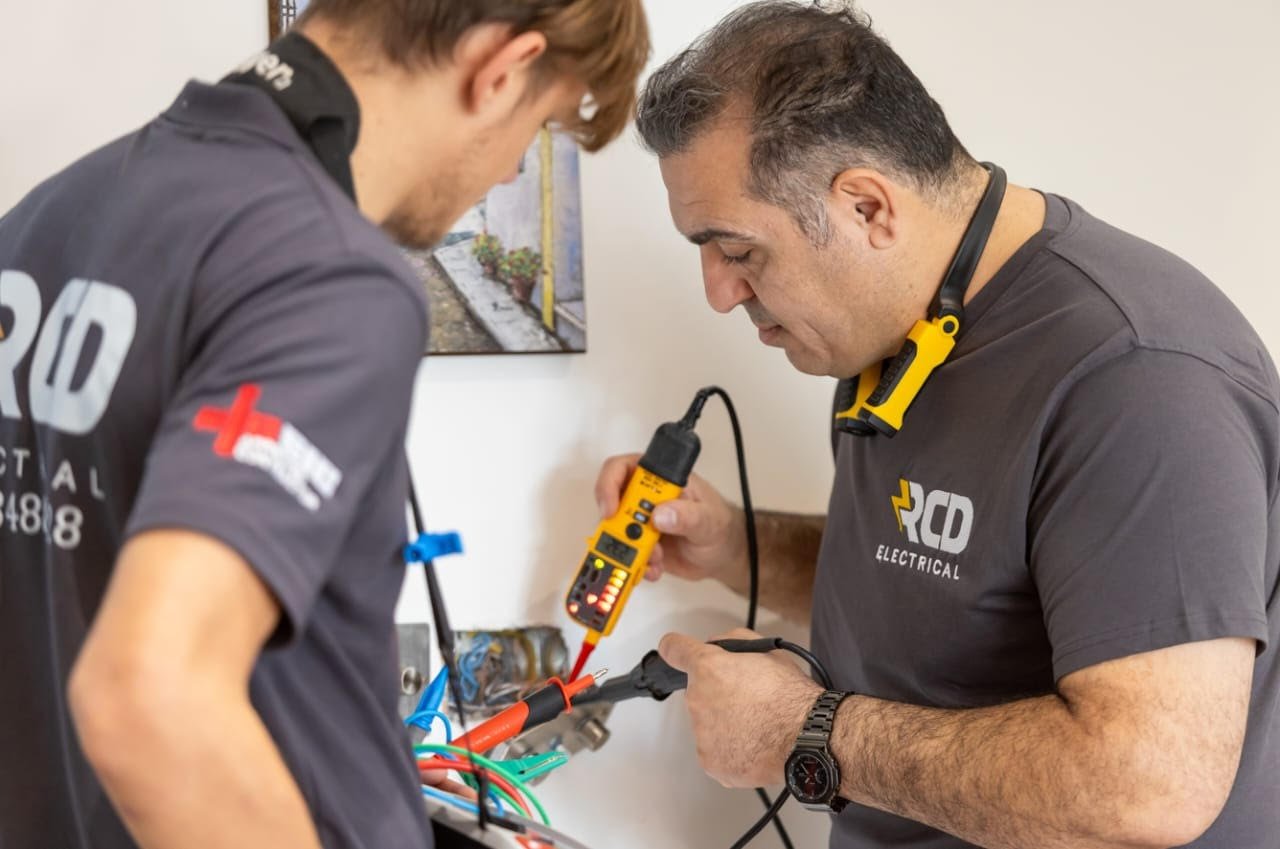
Electrical fires are one of the most serious safety hazards homeowners and renters can face. In densely populated areas such as Central London, flats often contain complex electrical systems serving a variety of appliances, lighting and modern conveniences. When systems are overloaded or compromised, the risk of overheating and fire increases. Understanding common causes helps you take proactive steps to protect life and property — and know when to call in qualified professionals such as London Electricians for support.
One of the most frequent contributors to electrical fires is faulty or outdated wiring. In many older buildings, original electrical infrastructures were never designed for today’s high demand of modern technology and appliances. Wires with damaged insulation, loose connections or inappropriate gauge can overheat when stressed. When this heat builds up, it can ignite surrounding materials like wood, plaster or insulation. Regular inspection by a trained Electrician in London ensures wiring is safe and able to handle household loads.
Overloaded sockets and circuits are another common culprit. In Central London flats where space is limited, residents often rely on multi-plug adapters and extension leads to power TVs, laptops, heaters and more. While convenient, these devices can easily exceed the intended load of a circuit. Too many high-wattage appliances together create excessive heat in cables and connections, which can lead to arcing and combustion. A professional electrician can help assess load distribution and recommend safer configurations.
Faulty appliances also play a significant role in electrical fires. Faults in internal components, loose connections or damaged leads can generate sparks and heat long before an outright failure occurs. Portable heaters, kettles, fridge freezers and washing machines are all examples of appliances that can develop faults over time. If an appliance emits unusual sounds, burns fuses, or trips circuits, stop using it and seek expert advice. An electrician can perform testing and determine whether repair or replacement is necessary.
Another hidden danger involves poor or DIY electrical installations. Amateur attempts to install lighting, sockets or even larger equipment often lead to unsafe connections and hidden faults. Mistakes such as loose earth connections or incorrectly matched components increase the risk of overheating. Peace of mind comes from having all electrical work installed and inspected by qualified and insured professionals.
In many flats, consumer units (fuse boxes) are tucked away and forgotten until a problem occurs. Yet a consumer unit that is outdated or incorrectly protected can fail to interrupt faults effectively. Devices such as Residual Current Devices (RCDs) and circuit breakers are designed to isolate faults and prevent fires, but if they are worn out, incorrectly rated, or absent, small issues can escalate. Regular safety checks help ensure that your protective devices are functioning as intended.
Moisture can also create unexpected hazards. In kitchens, bathrooms and utility areas, water ingress due to leaks or condensation can reach electrical points. Moisture reduces insulation resistance and can lead to short circuits or sparking. Because water and electricity are a dangerous combination, an electrician’s assessment can spot damp-related risks before they cause serious harm.
Landlords and property managers have additional responsibilities to maintain safety in rented flats. Compliance with electrical regulations and up-to-date safety certificates such as London Landlord EICR Certificates is not just recommended — it’s a legal requirement. These certificates provide formal documentation that an installation has been inspected and tested by a competent professional. Addressing underlying electrical issues early protects tenants and reduces liability for landlords.
Prevention also involves everyday habits. Simple practices such as using surge protectors, avoiding running extension leads behind furniture, and not covering adaptors with carpets all help reduce fire risk. Be mindful of rubbing cables, bent leads and sockets that feel warm to the touch — these are signs that professional attention may be needed.
If you ever detect unusual burning smells, sparks, or darkening marks around sockets or switches, treat them as serious warnings. These symptoms often indicate overheating or arcing within a circuit. In such cases, contacting London Emergency Electricians for an immediate check is wise. Quick intervention can prevent minor faults from escalating into a catastrophe.
Ultimately, electrical safety in Central London flats requires a balance of good housekeeping, regular checks and professional support. Whether you are a homeowner, tenant, or landlord, recognising the signs of potential fire hazards protects lives and property. Consulting qualified electricians for inspection, maintenance, and remedial work ensures your installation meets current standards and performs safely under daily demands.
Don’t wait until something goes wrong. Arrange routine electrical assessments, respond quickly to warning signs, and invest in professional repairs and upgrades when needed. In doing so, you significantly reduce the likelihood of electrical fires and maintain a safer living environment in your London flat.

How to Fix “Error Connecting to Server” on WebRTC Video Chats

Scaling Modern Applications: A Guide to Microservices and AWS Expertise

Evaluating a Fast Turn PCB Partner for High-Frequency Applications

Why Roaming Can Be a Problem Abroad and How an eSIM Can Help

Do You Really Need a Watch Winder for Your Automatic Watch?

Why Sportswear Is No Longer Limited to Athletes

The Name Necklace Trend Is Back, But More Grown-Up

A Clearer Route to Reliable professional drain clearance and CCTV inspection

Is The High Street Bank Losing Its Grip On UK Business Loans?

TabooTube Explained: The Powerful Platform for Unfiltered Content

SSIS 469: Fixing SQL Data Errors in ETL Workflows

content://cz.mobilesoft.appblock.fileprovider/cache/blank.html: Explained with Powerful Insights

Scrolller Explained: The Powerful Way to Browse Reddit Images

Zavalio com Explained: The Ultimate Truth You Must Know

adswynk com: Monetize Links With Smart Ads in 2025

Deshoptec com Review: Powerful Truth About This Online Store

kz43x9nnjm65: The Smart Code Transforming Digital Technology

Novafork: The Best Free Streaming Site for Movies, Shows & Anime

Milohacherry Coin Explained: The Powerful Lifestyle Crypto Rewarding Travel & Fitness
-
 Blog10 months ago
TabooTube Explained: The Powerful Platform for Unfiltered Content
-
 Blog12 months ago
SSIS 469: Fixing SQL Data Errors in ETL Workflows
-
 Blogs1 year ago
content://cz.mobilesoft.appblock.fileprovider/cache/blank.html: Explained with Powerful Insights
-
 Blog10 months ago
Scrolller Explained: The Powerful Way to Browse Reddit Images