
Business
Examining The Global Market of Backhoe Loader & Skid Steer Loader

The heavy equipment industry is no longer what it used to be. It is bigger, faster, and more competitive than ever before. Businesses around the world are investing in machinery that delivers real value on the ground, and at the center of this shift is one machine that has stood the test of time: the forklift. From warehouses in Germany to logistics hubs in the UAE, the demand for reliable, powerful, and versatile equipment has never been higher.
But the global market is not just about one machine. It is about an entire ecosystem of heavy-duty solutions that work together to move industries forward. And understanding this ecosystem starts with knowing what is driving growth, what buyers actually need, and which machines are leading the charge in markets across every continent.
Key Insights Driving the Industry
The numbers tell a compelling story. The global construction and logistics equipment market is projected to grow significantly over the next decade, fueled by infrastructure development, e-commerce expansion, and rapid urbanization in emerging economies. Countries across the Middle East, Southeast Asia, and Africa are investing heavily in construction projects, ports, and industrial zones, all of which require robust, dependable machinery to function at scale.
What makes this market especially interesting is the diversity of equipment that buyers are sourcing. Compact machines are gaining serious ground. Buyers want equipment that is easy to maneuver, fuel-efficient, and capable of handling multiple tasks without requiring an entirely separate fleet. This is where the backhoe loader enters the conversation. Versatile by design, it handles digging, lifting, and loading with equal efficiency, making it one of the most sought-after machines in construction markets globally. Its ability to perform on tight job sites without sacrificing power is a key reason why procurement teams keep coming back to it.
The Key Role of Technology
The market is also being shaped by technology. Telematics, GPS fleet tracking, and smart diagnostics are now standard expectations rather than premium features. Buyers want visibility into their equipment performance, fuel consumption, and maintenance schedules in real time. Manufacturers that deliver this level of intelligence alongside mechanical reliability are the ones capturing market share at scale.
Financing options and after-sales support are also major deciding factors. In competitive markets, the machine alone is rarely enough. Buyers look at total cost of ownership, warranty terms, parts availability, and the quality of local service networks before making a purchase decision. This is why established brands with strong regional presence continue to outperform newer entrants, even when the newer options come at a lower price point.
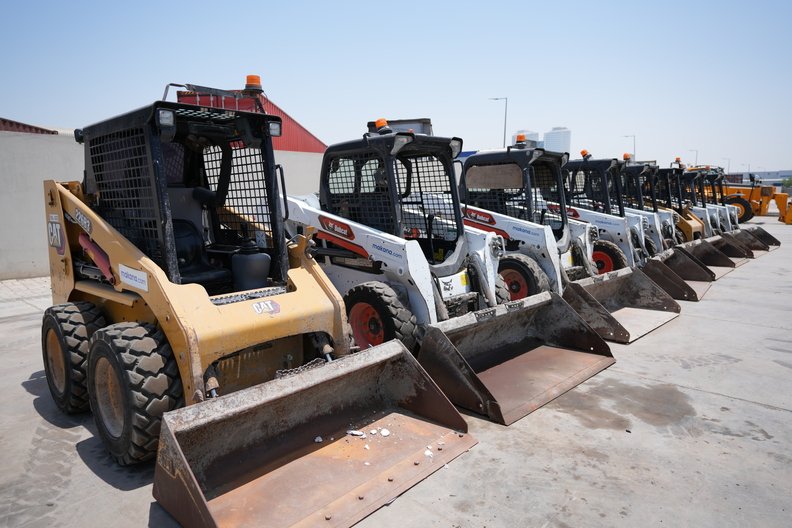
At the compact end of the spectrum, the skid steer loader has carved out a loyal global following. Its tight turning radius, attachment versatility, and low operating cost make it a favorite on construction sites, farms, and municipal projects alike. As urbanization accelerates and job sites get tighter, the skid steer loader’s relevance is only going to grow.
The global market is full of opportunity, and the businesses that understand what buyers need today are the ones that will lead tomorrow.

How to Fix “Error Connecting to Server” on WebRTC Video Chats

Scaling Modern Applications: A Guide to Microservices and AWS Expertise

Evaluating a Fast Turn PCB Partner for High-Frequency Applications

Why Roaming Can Be a Problem Abroad and How an eSIM Can Help

Do You Really Need a Watch Winder for Your Automatic Watch?

Why Sportswear Is No Longer Limited to Athletes

The Name Necklace Trend Is Back, But More Grown-Up

A Clearer Route to Reliable professional drain clearance and CCTV inspection

Is The High Street Bank Losing Its Grip On UK Business Loans?

TabooTube Explained: The Powerful Platform for Unfiltered Content

SSIS 469: Fixing SQL Data Errors in ETL Workflows

content://cz.mobilesoft.appblock.fileprovider/cache/blank.html: Explained with Powerful Insights

Scrolller Explained: The Powerful Way to Browse Reddit Images

Zavalio com Explained: The Ultimate Truth You Must Know

adswynk com: Monetize Links With Smart Ads in 2025

Deshoptec com Review: Powerful Truth About This Online Store

kz43x9nnjm65: The Smart Code Transforming Digital Technology

Novafork: The Best Free Streaming Site for Movies, Shows & Anime

Milohacherry Coin Explained: The Powerful Lifestyle Crypto Rewarding Travel & Fitness
-
 Blog10 months ago
TabooTube Explained: The Powerful Platform for Unfiltered Content
-
 Blog12 months ago
SSIS 469: Fixing SQL Data Errors in ETL Workflows
-
 Blogs1 year ago
content://cz.mobilesoft.appblock.fileprovider/cache/blank.html: Explained with Powerful Insights
-
 Blog10 months ago
Scrolller Explained: The Powerful Way to Browse Reddit Images