
Blog
Zuschneidfelle Guide: Leathercraft & Ski Skin Uses

Introduction
Zuschneidfelle is a fascinating German term that literally translates to “cutting skins.” However, its significance reaches far beyond this basic translation. In the realm of leathercraft, Zuschneidfelle refers to durable hides or mats used as a foundational surface for precision cutting, pattern tracing, and tooling. On the other hand, within the outdoor and ski touring community, Zuschneidfelle denotes climbing skins—strips of material attached to the base of skis to enable uphill travel. This dual usage reflects a broader cultural appreciation for craftsmanship, durability, and performance—whether in a bustling artisan workshop or on a snowy Alpine slope.
As interest grows in both traditional crafting and sustainable outdoor gear, Zuschneidfelle is quickly gaining popularity in specialist circles. In this article, we’ll explore the history, applications, materials, advantages, care tips, buying advice, and ethical considerations associated with Zuschneidfelle. Whether you are a leather artisan or a winter mountaineer, understanding Zuschneidfelle could transform the way you approach your tools and terrain.
Zuschneidfelle in Leathercraft
Historical Background
Traditionally, Zuschneidfelle were essential for cobblers, tanners, and leatherworkers across Europe. Craftsmen in regions like Bavaria, Tyrol, and Lombardy relied on natural leather hides not only for making goods but also as sturdy, forgiving work surfaces. Before synthetic mats existed, artisans used thick slabs of tanned leather—usually full-grain cowhide—as reusable, self-healing surfaces for making precision cuts. Over time, these cutting skins evolved, reflecting improvements in tanning processes and cutting techniques. Today, the concept lives on, with Zuschneidfelle often prized by modern artisans who value tradition, tool longevity, and natural textures.
Modern Applications in Crafting
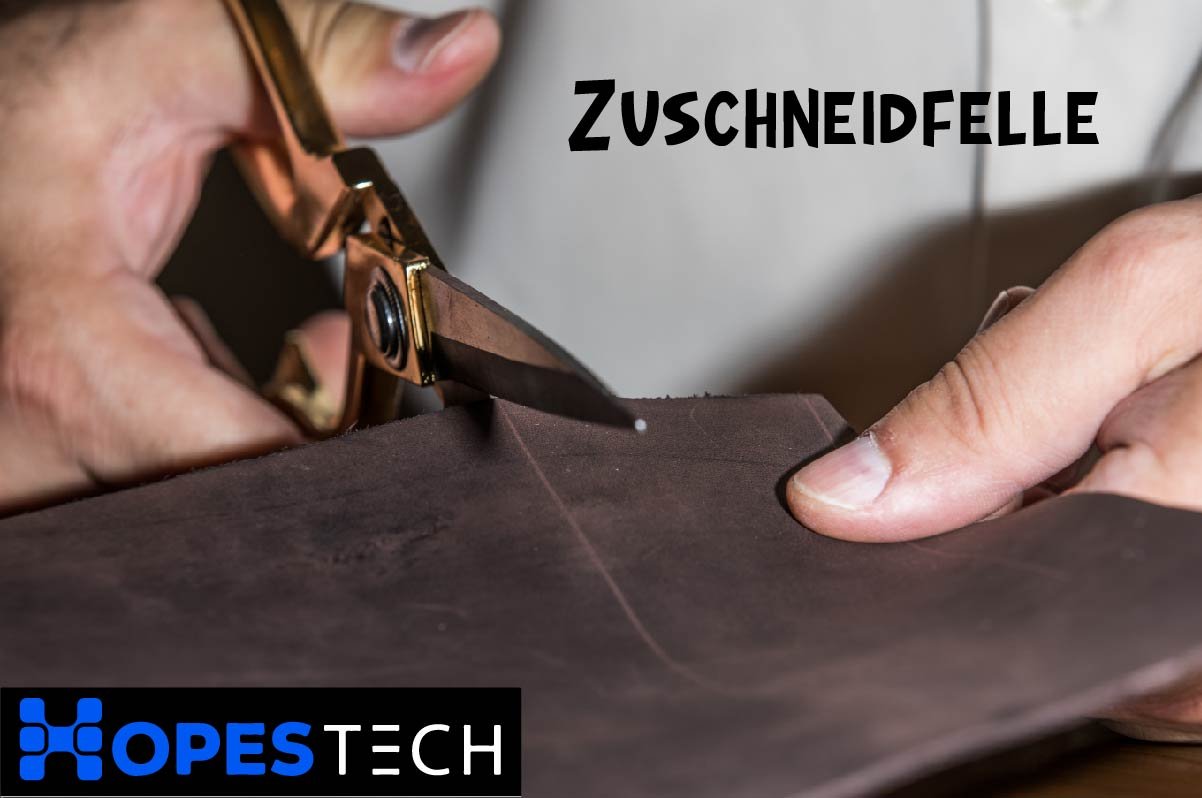
In the world of contemporary crafting, Zuschneidfelle serve as practical and aesthetic cutting bases for tasks involving knives, chisels, and rotary cutters. Leathercrafters lay out patterns for belts, bags, shoes, or garments on Zuschneidfelle to ensure every cut is clean, precise, and tool-friendly. Moreover, they protect workbenches from scratches, dents, or nicks while preserving the sharpness of expensive cutting tools. Because these mats develop a rich patina over time, many artisans also use them as a visual centerpiece of their studio, combining function with form. Additionally, tailors, model-makers, and even hobbyists appreciate Zuschneidfelle for their tactile reliability and timeless appeal.
Material Types for Leather Zuschneidfelle
Several material options are available when choosing a Zuschneidfelle for crafting. Full-grain leather is the gold standard, offering durability, thickness, and a self-healing surface. Vegetable-tanned leather is preferred for its eco-friendliness and ability to age gracefully. Chrome-tanned variants, while more affordable, can offer more flexibility but may not have the same lifespan or natural look. Alternatively, composite leather cutting mats—made from bonded leather particles—are more sustainable and cost-effective. For beginners, synthetic Zuschneidfelle made from polymer blends can suffice, though they lack the character and regenerative properties of true leather.
Zuschneidfelle in Ski Touring
Origin of Climbing Skins
The term Zuschneidfelle also finds a second life on snowy slopes. Historically, ski climbers in the Alps used seal skins to gain traction when moving uphill. These climbing skins, known as Zuschneidfelle in German-speaking regions, prevented skis from sliding backward while allowing smooth forward motion. Over time, the use of actual seal fur was replaced with mohair—derived from Angora goats—and synthetic materials, yet the term persisted. Zuschneidfelle remains the common term across Austria, Germany, and Switzerland for these essential ski touring accessories, linking old-world language with modern outdoor technology.
Leather Zuschneidfelle vs Synthetic Skins
Today, leather Zuschneidfelle—though rarer—are still available and valued for their excellent grip, adaptability to snow conditions, and traditional appeal. These leather skins provide a superior glide-to-grip ratio, especially in wet or heavy snow. Leather’s natural water resistance, especially when treated with wax or oils, enhances durability and prevents ice buildup. However, they require more care and are generally heavier than their synthetic counterparts. On the other hand, mohair or nylon blends are easier to maintain and often lighter, but they don’t offer the same level of longevity or terrain flexibility that leather does. Therefore, the choice depends on your touring conditions and values—performance or heritage.
Ski Touring Use Cases
In ski touring, Zuschneidfelle made from leather are typically favored by professionals, heritage gear users, and purists who seek tradition without sacrificing performance. They are ideal for long backcountry expeditions where reliability matters more than weight. In wet snow or mixed terrain, they maintain traction and minimize clumping. Many seasoned alpine climbers still swear by leather skins because of their superior edge retention and consistent glide. Though modern synthetic versions dominate the commercial market, those who try leather Zuschneidfelle often stick with them for life due to their responsiveness and tactile control on unpredictable slopes.
Core Benefits of Zuschneidfelle
For Leatherworkers
Zuschneidfelle provide leatherworkers with a cutting experience that’s smooth, precise, and safe for their tools. Unlike plastic mats, leather hides absorb pressure and allow blades to slice cleanly without dulling quickly. This prolongs the life of blades and reduces user fatigue. Additionally, the subtle grip of the leather surface keeps materials in place while you cut, improving accuracy. Over time, the hide develops a unique patina that tells the story of each craft project, giving your workbench character. Because Zuschneidfelle reduce noise and offer ergonomic stability, many artisans find their workflow improves dramatically.
For Skiers
For ski mountaineers and touring enthusiasts, Zuschneidfelle offer dependable grip during ascents and maintain flexibility even in frigid temperatures. Whether you’re climbing icy tracks or navigating soft powder, these skins give balanced resistance and consistent glide. Leather Zuschneidfelle also resist icing better than many synthetics and last for several seasons with proper maintenance. This means fewer replacements, more sustainability, and better performance over time. Skiers often describe the difference in feel as more “organic,” which makes a big impact during long treks or alpine races where every bit of energy counts.
How to Choose the Right Zuschneidfelle
Sizing and Thickness
Choosing the correct Zuschneidfelle depends on your purpose. For leathercraft, a thickness of 3–5mm works for general use, while 5mm+ is ideal for heavy-duty tooling or rotary cutting. For skiing, skins must match the ski width precisely and be trimmed to length. Tail clips help adjust fit, especially if your ski dimensions vary by model or season. Getting the size right ensures maximum grip, minimal drag, and optimal performance whether you’re crafting wallets or climbing glaciers.
Surface Finish and Texture
Surface texture also matters. Grippy finishes provide better blade control in crafting, while smoother finishes allow faster, broader cuts. Leather Zuschneidfelle may show natural grain or be buffed for uniformity. In ski touring, grain direction affects snow resistance, so it’s crucial to check the glide vs grip ratio. A subtle nap can help skis slide forward smoothly but dig in when you shift weight backward. Knowing your finish preferences can dramatically affect the final result—on leather or snow.
Use Case Considerations
When choosing Zuschneidfelle, always consider your exact use case. Are you crafting belts that require clean lines? Then full-grain mats are ideal. Are you carving softer leather for garments? You might want a lighter hide. In skiing, conditions like powder, crust, or slush affect which skin works best. Leather Zuschneidfelle excel in wet, variable conditions but may not perform as well on icy climbs without treatment. Understanding your environment—indoor or alpine—helps you choose wisely.
Care and Maintenance Tips
Leather Zuschneidfelle
Leather Zuschneidfelle require basic care to ensure longevity. Always wipe the surface with a dry or slightly damp cloth after use. Avoid soaking or exposing the hide to heat or direct sunlight, as this causes cracks and warping. Apply leather balm or conditioner every 6–12 months to maintain flexibility. Store flat or rolled, never folded. Treat your Zuschneidfelle well, and it will serve you faithfully for years in your workshop.
Ski Touring Zuschneidfelle
Caring for ski touring Zuschneidfelle involves drying them properly after every use—away from heaters or direct sunlight. Always allow full airflow. Reapply waterproofing sprays or leather waxes as needed. Check the glue layer before each tour, and refresh adhesive periodically using glue renew sheets or touch-up kits. Fold them with protective mesh if storing in your pack. Proper care ensures traction and snow-shedding even after repeated outings.
Where to Buy Zuschneidfelle
Leathercraft Suppliers
Zuschneidfelle for crafting are available at specialized leather suppliers like Tandy Leather, Springfield Leather, or on artisan marketplaces like Etsy. Look for products made in Germany or Italy, as they often uphold traditional tanning techniques. Ask vendors about the source, grain quality, and tanning method. Purchasing from reputable suppliers ensures you receive a durable and ethical product.
Ski Equipment Retailers
For ski touring, look to brands such as Pomoca, Colltex, or Black Diamond, which often offer high-performance climbing skins. Some boutique European retailers offer leather options, especially in the heritage gear segment. Custom skin makers may also provide handcrafted it tailored to your ski specs. Always inquire about glide-to-grip ratio, adhesive quality, and climate performance.
Buying Tips
When shopping for it, whether for crafting or skiing, reviews are essential. Read customer feedback, compare textures, and double-check sizing. Ask for material samples if available—especially for large leather hides. For ski skins, ensure compatibility with your skis and verify whether the product supports your typical terrain. A few minutes of research can save months of frustration.
Sustainability and Ethical Considerations
Eco-Friendly Leather Options
Vegetable-tanned it offer an eco-conscious alternative to chrome-tanned hides. They contain no heavy metals and biodegrade more easily. Recycled composite mats made from bonded leather waste are also gaining traction. Choosing such materials reduces your carbon footprint while maintaining traditional quality. Artisans increasingly favor these options for ethical and environmental reasons.
Responsible Ski Gear Manufacturing
In ski touring, leather it often come from hides that are byproducts of the meat industry, making them a sustainable option when compared to petroleum-based synthetics. Long-lasting gear also minimizes landfill waste and consumption. Avoiding microplastic-laden skins or toxic adhesives adds another layer of environmental responsibility to your ski adventures.
Expert Tips and Use Cases
Artisan Spotlight — Leather Crafter’s Workflow
Veteran leathercrafters often describe it as the heart of their workspace. One saddle-maker noted that switching from synthetic mats to leather “transformed the cutting experience entirely.” The mat stayed in place, absorbed shock, and elevated the entire studio’s look. Maintenance routines included weekly cleaning and quarterly oiling. These practices ensured every pattern, knife stroke, and stitch came out better.
Ski Touring Case Study
A ski mountaineer who transitioned to leather it after years of synthetic use found that the natural skin performed better in wet snow. It gripped longer, glided smoother, and required fewer reapplications. The increased weight was a trade-off, but the durability and snow-shedding made it worthwhile. Over several seasons, performance remained consistent—a key factor on long backcountry tours.
Zuschneidfelle vs Other Cutting or Ski Surfaces
| Feature | Zuschneidfelle (Leather) | Standard Cutting Mats | Synthetic Climbing Skins |
|---|---|---|---|
| Durability | Excellent | Moderate | Good |
| Eco-Friendliness | High (if veg-tanned) | Low | Varies |
| Blade/Edge Protection | Superior | Good | N/A |
| Winter Flexibility | Excellent (ski skins) | N/A | Moderate |
| Cost | Higher upfront | Lower | Lower–moderate |
Conclusion
It represents a beautiful intersection of tradition and innovation. For leather artisans, they provide unmatched cutting precision, tool longevity, and workshop charm. For ski mountaineers, they offer trustworthy traction, glide, and heritage appeal. With the right care, it lasts for years, standing as a testament to craftsmanship and performance. As you refine your craft or climb your next ridge, consider investing in Zuschneidfelle—a tool, a tradition, and a symbol of excellence.
(FAQs)
1. What does it mean in English?
Zuschneidfelle means “cutting skins” and refers to leather mats or ski climbing skins.
2. Can it be used by beginner leathercrafters?
Yes, beginners benefit from its surface grip and tool-friendly cushioning.
3. Are leather it better than synthetic ski skins?
Leather provides superior grip and glide but requires more maintenance than synthetic alternatives.
4. How do I maintain leather Zuschneidfelle?
Wipe it clean regularly, condition it every 6–12 months, and avoid heat or moisture.
5. Where can I buy authentic it for crafting?
Check suppliers like Tandy Leather, Springfield Leather, or verified European tanners.
Also Read :
Närkes Elektriska: Sweden’s Smart Energy Leader Since 1931

Do You Really Need a Watch Winder for Your Automatic Watch?

Why Sportswear Is No Longer Limited to Athletes

The Name Necklace Trend Is Back, But More Grown-Up

A Clearer Route to Reliable professional drain clearance and CCTV inspection

Is The High Street Bank Losing Its Grip On UK Business Loans?

How Engineering Firms Are Using Technology to Deliver Faster Projects

Why Elasticated Waists Have Stopped Being the Thing Nobody Admits They Own

Magnific for Enterprise: How Global Brands Are Using AI Creative Production at Scale

Micro-Soldering Tools and iPhone Motherboard Repair: A Complete Guide

UK Management College Celebrates 10 Years of Excellence with Landmark SummerFest 2026 at Heaton Park

TabooTube Explained: The Powerful Platform for Unfiltered Content

SSIS 469: Fixing SQL Data Errors in ETL Workflows

content://cz.mobilesoft.appblock.fileprovider/cache/blank.html: Explained with Powerful Insights

Scrolller Explained: The Powerful Way to Browse Reddit Images

Zavalio com Explained: The Ultimate Truth You Must Know

adswynk com: Monetize Links With Smart Ads in 2025

Deshoptec com Review: Powerful Truth About This Online Store

kz43x9nnjm65: The Smart Code Transforming Digital Technology

Novafork: The Best Free Streaming Site for Movies, Shows & Anime

Milohacherry Coin Explained: The Powerful Lifestyle Crypto Rewarding Travel & Fitness
-
 Blog9 months ago
TabooTube Explained: The Powerful Platform for Unfiltered Content
-
 Blog11 months ago
SSIS 469: Fixing SQL Data Errors in ETL Workflows
-
 Blogs12 months ago
content://cz.mobilesoft.appblock.fileprovider/cache/blank.html: Explained with Powerful Insights
-
 Blog9 months ago
Scrolller Explained: The Powerful Way to Browse Reddit Images