
Home Improvement
Behind the Scenes: How to Ensure Seamless Office Building Operations

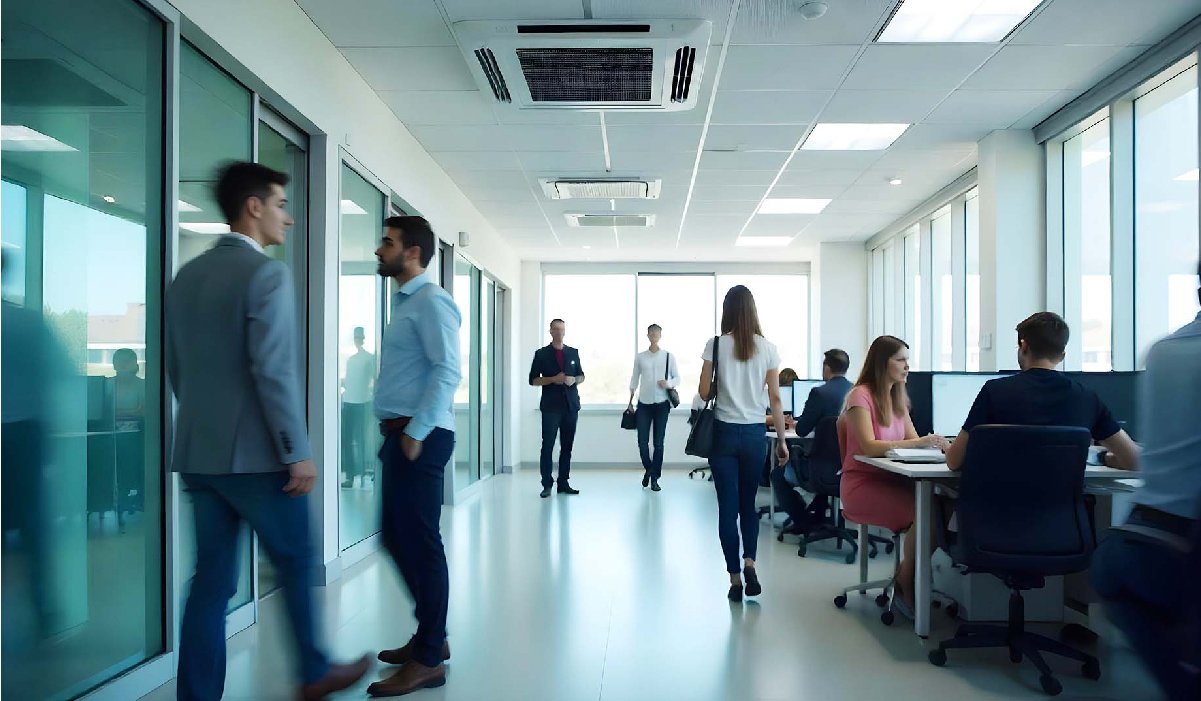
When an office building runs smoothly, most people never notice—and that’s exactly the point. Seamless office building operations happen quietly in the background, supporting productivity, comfort, and safety without disrupting the workday. From clean hallways to reliable systems and responsive management, success lies in the details. Let’s pull back the curtain and explore what it really takes to keep an office building operating like clockwork.
The Foundation: Preventive Maintenance
One of the most important elements of seamless operations is preventive maintenance. Rather than reacting to breakdowns, proactive building teams schedule regular inspections and servicing for critical systems like HVAC, elevators, plumbing, and electrical infrastructure.
Preventive maintenance minimizes unexpected downtime, extends the life of equipment, and reduces costly emergency repairs. Simple actions—such as replacing filters, checking for leaks, or testing backup power systems—can prevent small issues from becoming major disruptions. A well-documented maintenance schedule also helps teams stay organized and accountable.
Cleanliness That Supports Productivity
A clean office building isn’t just about appearances; it directly affects health, morale, and efficiency. Daily cleaning routines should focus on high-traffic areas like lobbies, restrooms, elevators, and shared workspaces. Dust-free surfaces, well-maintained floors, and properly sanitized restrooms create an environment where employees feel comfortable and valued.
Equally important is waste management. Regular trash removal, recycling programs, and proper disposal of hazardous materials all contribute to a smooth and compliant operation. When cleanliness is consistent, tenants can focus on their work instead of distractions.
Smart Systems and Technology
Modern office buildings rely heavily on technology to streamline operations. Building management systems (BMS) allow teams to monitor energy usage, control climate settings, and detect issues in real time. Access control systems, surveillance cameras, and smart lighting improve both security and efficiency.
Technology also supports predictive maintenance by identifying performance patterns and alerting teams before failures occur. While these systems require upfront investment, they often pay for themselves through reduced energy costs and fewer disruptions.
Clear Communication Is Key
Even the best systems can fall short without effective communication. Seamless operations depend on clear, timely information shared between building management, maintenance staff, tenants, and service providers.
Establishing simple channels—such as email updates, tenant portals, or mobile apps—helps keep everyone informed about scheduled maintenance, building policies, or unexpected issues. Transparency builds trust and reduces frustration, especially when problems arise. When tenants know what’s happening and when it will be resolved, they’re far more understanding.
Safety and Compliance Behind the Scenes
Safety is a non-negotiable part of daily operations. Fire alarms, sprinkler systems, emergency lighting, and exit signage must be inspected and tested regularly. Clear emergency procedures should be in place and communicated to tenants.
Compliance with local regulations and building codes is equally critical. Whether it’s accessibility standards or environmental requirements, staying compliant protects both occupants and building owners. In regions with specific operational demands, such as office building management in Salt Lake City, understanding local codes and climate-related challenges is especially important for smooth day-to-day performance.
Energy Efficiency That Works Quietly
Energy efficiency plays a major role in seamless operations, even if it’s invisible to occupants. Efficient lighting, well-insulated walls, and optimized HVAC systems reduce costs while maintaining comfort. Monitoring energy usage helps identify waste and uncover opportunities for improvement.
Simple measures—like motion-sensor lighting in low-traffic areas or programmable thermostats—can make a noticeable difference. Over time, these behind-the-scenes efforts contribute to sustainability goals and lower operating expenses.
The Human Element
Finally, seamless office building operations rely on people. Skilled maintenance technicians, attentive custodial staff, and responsive management teams are the backbone of any successful building. Ongoing training ensures staff stay current with new technologies, safety protocols, and best practices.
A culture of accountability and pride in work goes a long way. When teams feel valued and empowered, they’re more likely to notice small issues before they escalate and to respond quickly when something goes wrong.
Bringing It All Together
Seamless office building operations don’t happen by accident. They’re the result of thoughtful planning, proactive maintenance, smart technology, and strong communication—all working together behind the scenes. When these elements align, office buildings become reliable, efficient spaces that quietly support productivity every single day.
For More Information, Visit Hopestech

Nano Banana 2 Review: How This New AI Image Generator Performs Inside Dzine in 2026

How do bathroom design services help avoid costly renovation mistakes?

The Various Relay Sockets and What Advantages They Offer

The Benefits of Online Healthcare for New Parents

Fair Yieldwick: An Independent Analytical Assessment of Its AI-Driven Investment Architecture and Performance Credentials

What Are the Key Steps in Designing Your Dream Home?

Why Enterprises Are Exploring Crypto and Blockchain Solutions

Is DeepSeek Down? A Complete Guide to Checking DeepSeek Website Status

Commercial Electricians in London & South East: Powering Businesses Safely

The Changing Face of North East Landscaping Services

TabooTube Explained: The Powerful Platform for Unfiltered Content

SSIS 469: Fixing SQL Data Errors in ETL Workflows

content://cz.mobilesoft.appblock.fileprovider/cache/blank.html: Explained with Powerful Insights

Scrolller Explained: The Powerful Way to Browse Reddit Images

Zavalio com Explained: The Ultimate Truth You Must Know

adswynk com: Monetize Links With Smart Ads in 2025

Deshoptec com Review: Powerful Truth About This Online Store

Milohacherry Coin Explained: The Powerful Lifestyle Crypto Rewarding Travel & Fitness

Novafork: The Best Free Streaming Site for Movies, Shows & Anime

kz43x9nnjm65: The Smart Code Transforming Digital Technology
-
 Blog4 months ago
TabooTube Explained: The Powerful Platform for Unfiltered Content
-
 Blog5 months ago
SSIS 469: Fixing SQL Data Errors in ETL Workflows
-
 Blogs6 months ago
content://cz.mobilesoft.appblock.fileprovider/cache/blank.html: Explained with Powerful Insights
-
 Blog3 months ago
Scrolller Explained: The Powerful Way to Browse Reddit Images