
Blog
Pomerusky: The Ultimate Guide to This Adorable Designer Dog

What Is a Pomerusky?
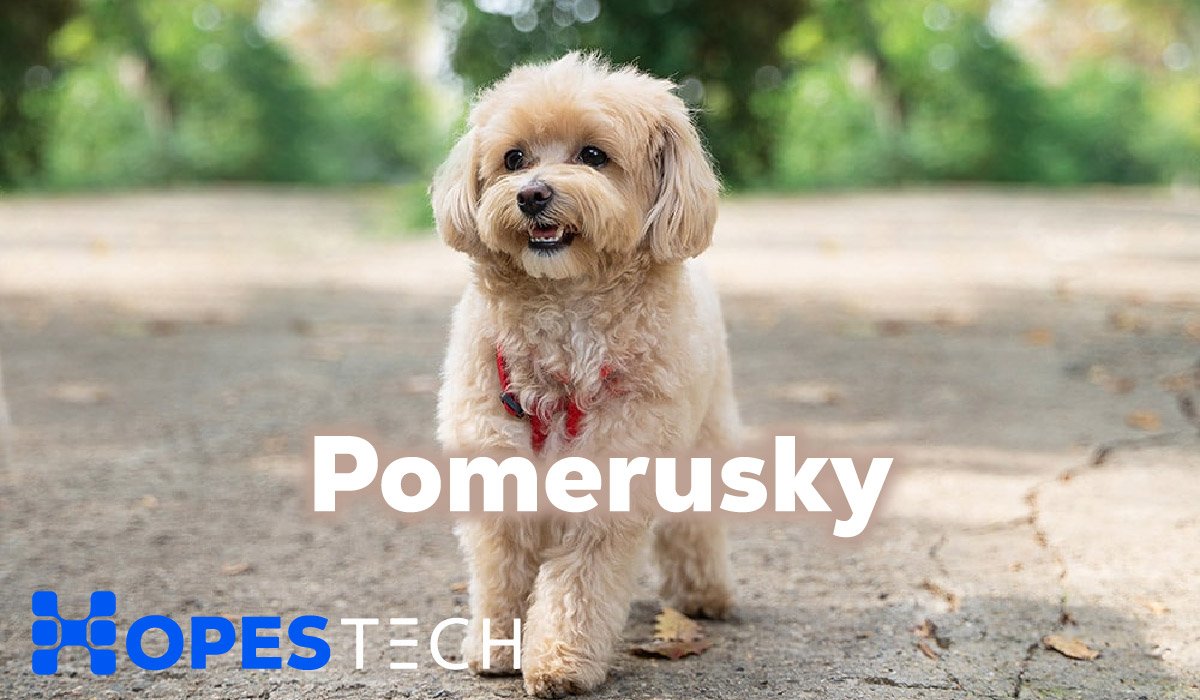
The Pomerusky—a name that sounds as whimsical as it looks—is far more than just a hybrid dog. It is the result of a deliberate cross between the tiny, lively Pomeranian and the majestic, intelligent Siberian Husky, creating a designer breed that has captivated hearts worldwide. These fluffy, fox-like companions are not only cherished for their compact size and striking appearance, but they also embody a larger cultural evolution—one where pet identity overlaps with digital art, branding, and lifestyle.
The Pomerusky is as likely to show up in an Instagram reel as it is in a designer fashion concept. This article explores everything about the Pomerusky—from its origins, personality, care needs, and lifestyle compatibility, to its transformation into a modern symbol of hybrid creativity and individual expression.
Origins and History of the Pomerusky
The Rise of Designer Dogs
In the early 2000s, pet lovers began to shift their focus from purebred dogs to “designer dogs”—intentional hybrids created by mixing two different breeds to combine desirable traits. The goal was not just about aesthetics; it was about personality, health, and lifestyle fit. These hybrids quickly became popular for their uniqueness, reduced health problems due to hybrid vigor, and tailored temperaments. The Pomerusky emerged during this designer dog movement, offering the bold beauty of a Husky in a size that suits apartment living, wrapped in a fluffy Pomeranian package.
The Making of the Pomerusky
Breeding a Pomeranian and a Siberian Husky isn’t straightforward due to their vast size difference. This mix is typically achieved through artificial insemination, with the female being the Husky for safety. The first-generation (F1) Pomeruskies are the most diverse in appearance and temperament, while second (F2) and third-generation (F3) litters show more consistency. You might also see the term “Pomsky” used interchangeably, though “Pomerusky” has evolved beyond the breed into a stylistic label used in creative communities. Despite not being recognized by major kennel clubs, the breed continues to thrive in popularity, largely through online and social media platforms.
Physical Characteristics of the Pomerusky
Size and Body Structure
The Pomerusky varies significantly in size depending on genetic dominance. On average, they weigh between 7 and 25 pounds and stand about 10 to 15 inches tall at the shoulder. First-generation dogs often exhibit unpredictable size, while later generations offer more uniformity. Some are toy-sized lapdogs; others grow closer to the Husky side. Their compact yet sturdy bodies give them an agile and playful look, perfect for indoor and outdoor activities alike.
Coat and Color Patterns
One of the most admired features of the Pomerusky is its luxurious double-layered coat. It’s thick, soft, and prone to heavy shedding—especially during seasonal changes. Their coat colors range widely: black, white, cream, red, sable, and even striking multi-tone blends with Husky-style facial masks. This variety makes every Pomerusky look like a walking snowflake—completely unique in pattern and fluff.
Eyes, Ears, and Expression
Eyes are a focal point of their beauty. Icy blue, deep brown, or heterochromatic (two different colored eyes) are all possible outcomes. Their ears are usually alert and upright, giving them a perpetually curious look. Depending on dominant genes, their face may appear fox-like (from the Pomeranian side) or sleek and wolfish (from the Husky lineage). Either way, their expressions are lively, endearing, and full of personality.
Temperament and Personality Traits
A Blended Temperament
The Pomerusky’s personality is a delightful cocktail of confidence, intelligence, playfulness, and affection. They are often energetic, spirited, and curious—traits from both sides of their heritage. From the Husky, they inherit cleverness and independence; from the Pomeranian, a fearless alertness and loyalty. While their size may be small, their personalities are anything but.
Social and Emotional Behavior
These dogs thrive on human interaction and quickly bond with their families. However, early socialization is essential to prevent shyness or “small dog syndrome,” where they may become overly possessive or reactive. They are often vocal—a trait from the Husky—using whines, barks, and howls to communicate. Their affectionate nature makes them great with children and other pets, though they may display stubbornness if not properly trained early on.
Emotional Needs and Separation Anxiety
The Pomerusky is not a breed that enjoys being left alone for extended periods. They can become anxious and even destructive if isolated. They need companionship and consistent emotional engagement, whether through play, walks, or cuddle time. Their high emotional intelligence means they are attuned to their owner’s moods, making them intuitive and comforting companions.
Training Your Pomerusky: Tips and Strategies
Intelligence Meets Stubbornness
Pomeruskies are highly trainable, but they are also capable of outsmarting their owners. Patience, positivity, and consistency are key. Harsh training methods are ineffective and may lead to resistance. Instead, positive reinforcement—using treats, toys, and praise—yields better results.
Foundation Commands and Behavior Shaping
Start with simple commands like sit, stay, come, and leave it. Use clicker training for faster communication. Begin house training early and consider crate training as a helpful tool. Due to their clever nature, these dogs also enjoy advanced tricks and games that challenge their mind.
Importance of Socialization
Introduce your puppy to various environments, people, and animals during the critical development window (8–16 weeks). This helps prevent anxiety, fear-based behaviors, and aggression. Socializing them from a young age ensures they grow into well-adjusted, polite, and adaptable adults.
Grooming and Coat Maintenance
Brushing and Shedding Management
With a dense double coat, the Pomerusky sheds moderately year-round and heavily in spring and fall. Brush 3 to 5 times per week using a slicker brush and undercoat rake. During shedding season, daily brushing helps reduce hair buildup and matting.
Bathing and Professional Grooming
Bathing should be done every 6 to 8 weeks using a mild, dog-safe shampoo. Avoid overbathing, as it can strip natural oils. Consider professional grooming to manage their coat, especially during peak shedding periods. Groomers can also handle trimming, de-shedding, and styling.
Nail, Ear, and Dental Care
Nails should be trimmed every 2–3 weeks, and ears checked weekly for debris or infection. Dental hygiene is critical for Pomeruskies, who may inherit Pomeranian dental issues. Brush their teeth regularly and use dental chews to promote oral health.
Exercise and Lifestyle Needs
Physical Activity and Enrichment
Despite their small size, Pomeruskies have big energy. Aim for at least 45–60 minutes of exercise daily. Walks, fetch, obstacle courses, and tug-of-war are all beneficial. Boredom often leads to chewing or barking, so consistent engagement is essential.
Mental Stimulation
They are not couch potatoes. Incorporate puzzle toys, scent games, obedience drills, and trick training. Mental fatigue helps prevent behavioral issues and keeps them emotionally satisfied.
Living Environment Suitability
Pomeruskies do well in apartments if they receive adequate exercise, though a home with a secure yard is ideal. They enjoy observing the world from windows and being part of household routines. Inactive homes are not a match for this energetic breed.
Nutrition and Feeding Guidelines
Feed your Pomerusky based on their age, weight, and activity level. Puppies may need 3–4 small meals daily, while adults thrive on 2 balanced meals. Choose high-quality dog food rich in protein, healthy fats, and omega-3s to support joint and coat health.
Some may develop food sensitivities to chicken, beef, or grain fillers. Monitor digestion and consider grain-free or limited-ingredient diets if allergies appear. Always provide fresh water, and avoid overfeeding to prevent obesity and joint strain.
Health, Lifespan, and Vet Care
Pomeruskies are generally healthy but may inherit breed-specific conditions. Watch for hip dysplasia, especially in larger Pomeruskies. Dental issues are common from the Pomeranian side, so dental maintenance is crucial. Eye concerns like juvenile cataracts or PRA may appear in later life.
Regular veterinary checkups, parasite prevention, vaccinations, and professional dental cleanings contribute to their long-term health. With proper care, the average lifespan is 12–15 years, and many enjoy a healthy, active senior life with minimal complications.
The Symbolism and Culture of the “Pomerusky” Name
Beyond the dog park, the word “Pomerusky” has found life in digital culture. It is used in fashion, art, and online branding to express hybridity, individuality, and self-expression. The name evokes a sense of playfulness and rebellion against norms—making it perfect for indie fashion lines, art projects, and creative communities.
It also represents how pets have become extensions of identity. The “Pomerusky” is not just a breed; it’s a statement, a meme, and a mood—reflecting how modern life blends function with flair, tradition with innovation.
Conclusion
The Pomerusky is more than a designer breed. It is a living embodiment of contrast—tiny yet energetic, cute yet cunning, fluffy yet strong-willed. Whether you are drawn to its stunning eyes, vibrant personality, or the cultural symbolism the name now carries, the Pomerusky offers a truly unique companionship experience.
With proper training, regular grooming, and a stimulating lifestyle, this hybrid becomes not only a loving family member but also a character with charm and complexity. For those ready to invest in a dog that’s as expressive as it is affectionate, the Pomerusky delivers joy, connection, and style in every wag and woof.
FAQs About Pomerusky
1. What is a Pomerusky dog?
A Pomerusky is a hybrid dog breed created by crossing a Pomeranian with a Siberian Husky. These dogs are known for their fluffy coats, small-to-medium size, and playful yet intelligent nature. They combine the loyalty of a Husky with the charm and energy of a Pomeranian.
2. How big does a Pomerusky get?
A Pomerusky usually weighs between 7 and 25 pounds and stands about 10 to 15 inches tall. Their size can vary depending on which parent breed is more dominant, especially in first-generation crosses.
3. Is the Pomerusky good for apartments?
Yes, Pomeruskies can adapt well to apartment living as long as they get enough daily exercise and mental stimulation. They need at least 45 to 60 minutes of activity every day to stay happy and healthy.
4. Does a Pomerusky shed a lot?
Yes, the Pomerusky has a thick double coat and sheds heavily, especially during spring and fall. Regular brushing—about 3 to 5 times per week—helps manage shedding and keeps their coat healthy.
5. How long do Pomeruskies live?
With proper care, a Pomerusky can live for about 12 to 15 years. Regular vet checkups, a healthy diet, exercise, and grooming all help support a long and happy life.
Read More: Valplekar Explained: The Powerful Way to Raise Happy, Healthy Puppies
For More Information, Visit HopesTech

Best Recovery Tool for UK Athletes: Why Red Light Therapy Is Changing the Game

When AI Code Generators Actually Help Python Developers

Local Security Experts Highlight Importance of Smart Home Integration

A Fresh Start With Dr MFO For Your Gender Affirmation

How Technology Is Transforming The Modern Cruise Experience

Balancing Budget and Lifestyle: A Practical Approach to Property Decisions

Navigating the Tech-Driven Evolution of Global Entertainment Platforms

5 Reasons an Online GMAT Course Is Ideal for Working Professionals

What should families expect when starting behavioral therapy?

Top Benefits of Hiring a Professional Roofing Company

TabooTube Explained: The Powerful Platform for Unfiltered Content

SSIS 469: Fixing SQL Data Errors in ETL Workflows

content://cz.mobilesoft.appblock.fileprovider/cache/blank.html: Explained with Powerful Insights

Scrolller Explained: The Powerful Way to Browse Reddit Images

Zavalio com Explained: The Ultimate Truth You Must Know

adswynk com: Monetize Links With Smart Ads in 2025

Deshoptec com Review: Powerful Truth About This Online Store

Milohacherry Coin Explained: The Powerful Lifestyle Crypto Rewarding Travel & Fitness

Novafork: The Best Free Streaming Site for Movies, Shows & Anime

kz43x9nnjm65: The Smart Code Transforming Digital Technology
-
 Blog3 months ago
TabooTube Explained: The Powerful Platform for Unfiltered Content
-
 Blog5 months ago
SSIS 469: Fixing SQL Data Errors in ETL Workflows
-
 Blogs6 months ago
content://cz.mobilesoft.appblock.fileprovider/cache/blank.html: Explained with Powerful Insights
-
 Blog3 months ago
Scrolller Explained: The Powerful Way to Browse Reddit Images