
Business
Preventive Maintenance: The Key to Thriving Community Spaces

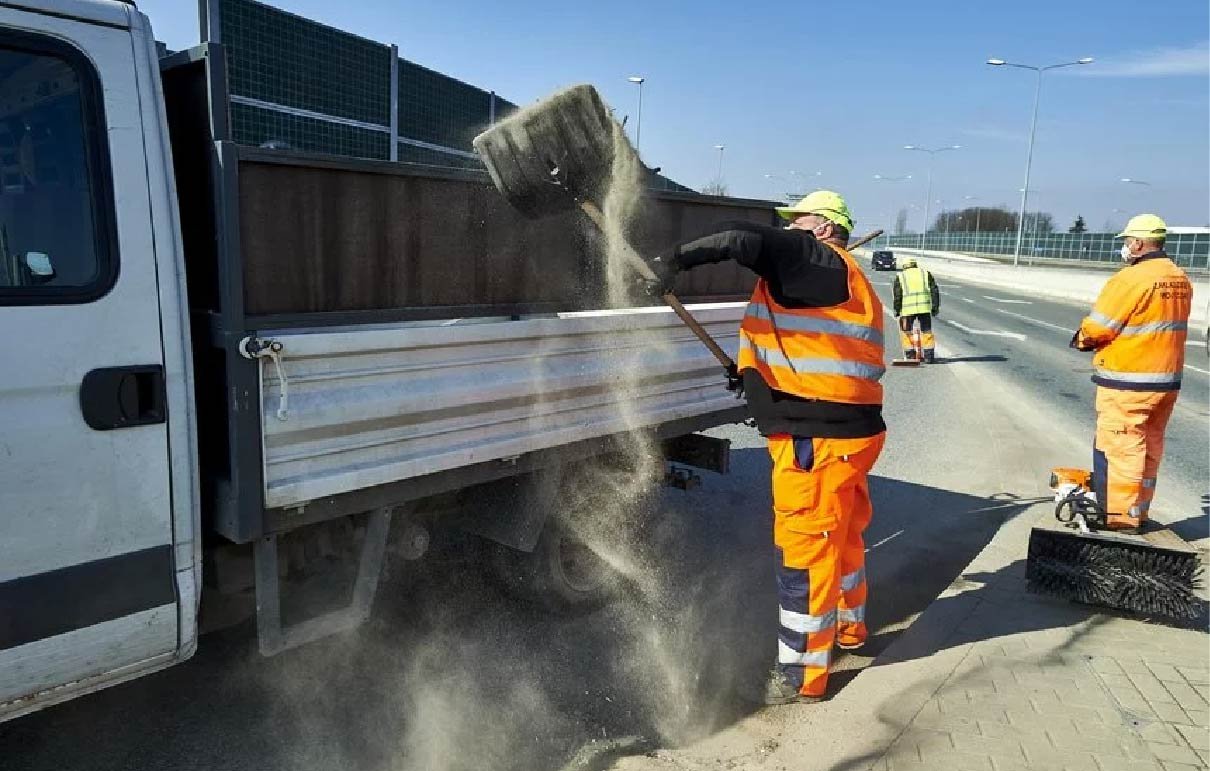
Community spaces act as the living room of a neighborhood. They are where children learn to ride bikes, neighbors catch up on local news, and families gather for weekend picnics. When these areas are vibrant and well-kept, they foster a sense of belonging and pride. But when they fall into disrepair, they can quickly become liabilities that drive residents away.
What is Preventive Maintenance?
Preventive maintenance is the practice of regularly inspecting, servicing, and repairing assets to prevent failure. It is a scheduled, proactive approach rather than a response to a crisis. Think of it like changing the oil in your car. You don’t wait for the engine to seize up; you change the oil at regular intervals to ensure the engine runs smoothly for years.
In the context of community spaces, this concept applies to everything from the irrigation systems in the green belts to the structural integrity of the clubhouse roof. It involves a combination of routine inspections, scheduled cleaning, and minor repairs designed to extend the lifespan of facilities.
The crucial distinction here is control. With reactive maintenance, the problem controls the schedule and the budget. A pipe bursts on a holiday weekend, requiring emergency plumbing services. With preventive maintenance, the community controls the schedule. You plan the pipe inspection for a Tuesday morning, avoiding chaos and premium costs.
The Three Pillars of Preventive Maintenance Benefits
Adopting a proactive strategy offers significant advantages that go beyond just aesthetics. It impacts the financial health of the community association and the physical safety of its residents.
1. Enhancing Safety and Reducing Liability
Safety is the paramount responsibility of any community management team. Neglected spaces are breeding grounds for accidents. A loose railing on a clubhouse deck, a cracked sidewalk, or a playground structure with rusted bolts can all lead to serious injuries.
When an injury occurs due to negligence, the community faces potential lawsuits and skyrocketing insurance premiums. Preventive maintenance acts as a shield against these risks. Regular safety audits identify hazards before they cause harm. Documenting these inspections and the subsequent repairs also provides a layer of legal protection, demonstrating that the management took reasonable care to maintain the premises.
2. Reducing Long-Term Costs
There is a common misconception that preventive maintenance is too expensive. However, the cost of neglect is almost always higher. Industry experts often cite the “1-10-100 rule.” It might cost $1 to maintain a piece of equipment, $10 to repair it if you wait until it breaks, and $100 to replace it entirely if the damage is catastrophic.
Deferred maintenance is a silent budget killer. Small issues, when left unattended, compound into major structural failures. A small roof leak is a cheap fix. If ignored, that leak rots the beams, destroys the insulation, and ruins the drywall, turning a minor repair into a major renovation project. Proactive care smooths out the budget, avoiding the need for sudden, massive special assessments that anger residents.
3. Improving Community Engagement
People want to live in a place they are proud of. The condition of shared spaces sends a message to residents about how much the management cares. When amenities are clean, functional, and beautiful, residents are more likely to use them. This usage drives interaction, building the social fabric of the neighborhood.
Conversely, run-down facilities signal decline. If the tennis court nets are torn and the pool is constantly closed for repairs, residents will withdraw. High engagement creates a positive feedback loop; when residents love their community spaces, they are more likely to take care of them and report issues early, further aiding the maintenance efforts.
Common Preventive Measures to Implement
To move from theory to practice, community leaders need to identify the specific areas that require regular attention. While every property is different, most community spaces rely on a few core categories of maintenance.
Landscaping and Groundskeeping
Landscaping is the most visible aspect of a community. Overgrown bushes can block sightlines, creating safety hazards, while dead tree limbs pose a risk of falling during storms. Preventive landscaping goes beyond mowing the grass. It involves:
- Tree care: Regular pruning to ensure structural stability.
- Irrigation audits: Checking for leaks and ensuring sprinklers aren’t watering the pavement.
- Drainage checks: Ensuring storm drains are clear of debris to prevent flooding during heavy rains.
Infrastructure and Repairs
Hardscape and structures deteriorate over time due to weather and use. A preventive schedule should include:
- Lighting: Regularly checking all street lamps and pathway lights to ensure no areas are left in the dark.
- Furniture: Inspecting benches and picnic tables for rot, rust, or stability issues.
- Fencing: Checking perimeter fences for stability, especially if they border busy roads or bodies of water.
Routine Safety Inspections
This is perhaps the most critical category. Safety inspections should be formalized and documented.
- Playgrounds: Checking for sharp edges, sufficient ground surfacing (like mulch or rubber), and tight connections on equipment.
- Walkways: Identifying trip hazards caused by tree roots lifting concrete slabs.
- Fire Safety: Testing clubhouse fire alarms, extinguishers, and emergency exit signs.
Implementing a Successful Maintenance Strategy
Knowing what to do is half the battle; the other half is execution. Transitioning to a preventive model requires organization and commitment.
Creating a Comprehensive Plan
You cannot manage what you do not measure. Start by creating an inventory of every asset in the community. Once you have your list, determine the maintenance frequency for each item. Some tasks, like pool cleaning, might be weekly. Others, like gutter cleaning, might be seasonal.
Use this data to create a master calendar. Digital tools and property management software can automate reminders, ensuring no task falls through the cracks. This calendar becomes the roadmap for the year, allowing the board to anticipate workloads and potential disruptions.
Budget Allocation
Preventive maintenance must be a line item in the annual budget, distinct from the emergency repair fund. It requires funding “reserve studies”—assessments conducted by professionals to predict the remaining life of major assets.
If the reserve study says the clubhouse roof has five years left, the community must start saving now. Allocating funds proactively ensures that when the time comes for expensive work, the money is there, and the work can be scheduled without financial panic.
Engaging Volunteers vs. Hiring Professionals
Community involvement is a powerful tool. Organizing volunteer days for tasks like planting flowers, painting fences, or picking up litter can save money and build camaraderie. It gives residents a sense of ownership over the space.
However, it is vital to know where to draw the line. High-risk or specialized tasks should always be left to professionals to ensure quality and limit liability. For example, while volunteers can sweep the parking lot, you should hire a licensed contractor in Utah for asphalt paving. Attempting to DIY complex infrastructure repairs often leads to substandard results that cost more to fix later.
Conclusion
By prioritizing safety, fiscal responsibility, and consistent care, community leaders can ensure that their parks, clubhouses, and walkways remain welcoming environments for generations to come. The transition from reactive to proactive management may require upfront effort, but the result—a safer, more beautiful, and financially stable community—is well worth the work.

Nano Banana 2 Review: How This New AI Image Generator Performs Inside Dzine in 2026

How do bathroom design services help avoid costly renovation mistakes?

The Various Relay Sockets and What Advantages They Offer

The Benefits of Online Healthcare for New Parents

Fair Yieldwick: An Independent Analytical Assessment of Its AI-Driven Investment Architecture and Performance Credentials

What Are the Key Steps in Designing Your Dream Home?

Why Enterprises Are Exploring Crypto and Blockchain Solutions

Is DeepSeek Down? A Complete Guide to Checking DeepSeek Website Status

Commercial Electricians in London & South East: Powering Businesses Safely

The Changing Face of North East Landscaping Services

TabooTube Explained: The Powerful Platform for Unfiltered Content

SSIS 469: Fixing SQL Data Errors in ETL Workflows

content://cz.mobilesoft.appblock.fileprovider/cache/blank.html: Explained with Powerful Insights

Scrolller Explained: The Powerful Way to Browse Reddit Images

Zavalio com Explained: The Ultimate Truth You Must Know

adswynk com: Monetize Links With Smart Ads in 2025

Deshoptec com Review: Powerful Truth About This Online Store

Milohacherry Coin Explained: The Powerful Lifestyle Crypto Rewarding Travel & Fitness

Novafork: The Best Free Streaming Site for Movies, Shows & Anime

kz43x9nnjm65: The Smart Code Transforming Digital Technology
-
 Blog4 months ago
TabooTube Explained: The Powerful Platform for Unfiltered Content
-
 Blog5 months ago
SSIS 469: Fixing SQL Data Errors in ETL Workflows
-
 Blogs6 months ago
content://cz.mobilesoft.appblock.fileprovider/cache/blank.html: Explained with Powerful Insights
-
 Blog3 months ago
Scrolller Explained: The Powerful Way to Browse Reddit Images