
Fashion
Silk Fabrics in Everyday Use

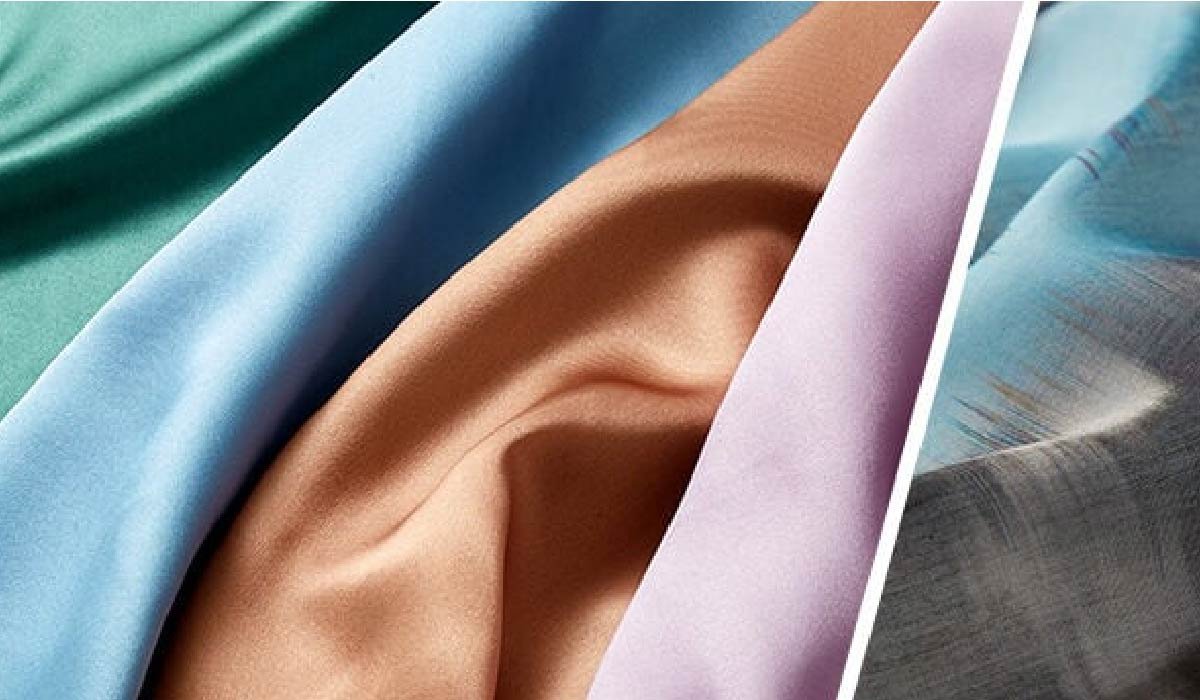
People think silk is fancy and fragile. Sometimes yes, sometimes no. What actually matters? Knowing which type you’re dealing with and if it fits your project. Silk comes in different weights, weaves, and finishes – each behaves totally differently. Here’s what helps.
Table of Contents
- What silk is (in plain English) and why it feels different
- Choosing silk for a project: the types that matter
- Where silk works best: clothing, bridal, and interiors
- Care and common mistakes (so silk lasts)
What Makes Silk Feel Different
Silk comes from silkworms. They produce protein fibers that have a smooth surface. Light bounces off that surface oddly – that’s the shine. Not added, just how the fiber works.
Touch is what you notice immediately. Smooth, almost slippery against skin. Drapes easily because the fibers are fine and flexible. Stronger than you’d guess for something so light.
Temperature thing? Silk breathes. Summer heat doesn’t get trapped like with synthetics. Cool weather, it insulates without adding bulk. A silk shirt on a hot day feels different from cotton – less sticky, air moves better.
Why people pick silk: looks polished, feels comfortable. Work blouse. Event dress. Jacket lining that slides on easily. These aren’t luxury picks – they’re functional. Silk solves specific problems better than other options.
Downside: Shine grabs attention. Sometimes perfect. Sometimes reads too dressy. Knowing this helps you choose when to use it versus something else.
Choosing silk for a project: the types that matter
Mulberry silk – that’s the classic “silk” most people mean. Fine, smooth, shiny. Silkworms eat only mulberry leaves, makes consistent fibers. High-end blouses, dresses. Soft feel, noticeable drape.
Raw silk (silk noil) is rougher. Made from shorter fibers, with a texture like fine linen. Less shine, more matte. Heavier and stiffer than mulberry. Want breathability without dressy shine? This works. Casual shirts, textured dresses.
Crepe de chine – that’s a weave, not a fiber type. Uses mulberry silk, but weaving createsa pebbly texture. Less shine than satin, better drape. Go-to for blouses and dresses where you want movement without formality. Wrinkles less than other silk fabrics – matters for daily wear.
Sheer silk: chiffon, georgette, organza. Super lightweight, see-through. Scarves, overlays, layering. Delicate – frays easily, shows every handling mark. Beautiful for right use, not practical for structure.
Comparing silk fabrics? Weight matters as much as type. Heavy silk charmeuse acts completely differently from lightweight, even the same weave. Always check the weight (momme for silk) alongside the type.
Where silk works best: clothing, bridal, and interiors
Everyday clothing: elevated basics. Silk shirt for the office. Simple dress. Camisole for layering. Not occasion wear – regular rotation that happens to be silk because the fabric performs well, lasts with proper care.
Bridal, occasion – obvious use. Light layers that photograph well. Shine works under certain lighting. Drapey skirts that move. Silk organza for structure in wedding dresses. Charmeuse for slip dresses. Fabric does the work of looking special without a complicated design.
Interiors – less common, works when strategic. Silk cushions as accents. Silk lining in curtains improves drape and protects the main fabric. Decorative touches where you want a subtle sheen. Not for high-use, but placement adds interest.
Want to compare different weights and finishes? Beglarianfabrics.com has useful examples to see real-world options.
Recently made a work blouse with crepe de chine. The client needed a professional look, couldn’t wrinkle badly during commute, and had to stay comfortable through long meetings. Cotton is too stiff, and synthetics are too sweaty. Crepe de chine hit balance – structured enough to look polished, breathable enough for comfort, subtle enough for daily wear. Silk is practical, not precious.
Care and common mistakes (so silk lasts)
Washing isn’t scary. Cool water, gentle detergent, and hand wash works for most. Some silks handle a delicate machine cycle in a mesh bag. Heavy silks tolerate more than sheer ones. Unsure? Dry clean.
High heat ruins silk. No tumble dry, hot water, or high iron. Heat yellows fibers, making them brittle. Air dry flat or hanging. Iron low with pressing cloth.
Storage: skip direct sunlight (fades), plastic bags (traps moisture). Hang or fold loose in breathable bags.
Mistakes people make: harsh detergents, wringing wet silk, aggressive stain removal (watermarks), and ignoring labels.
Do: test wash small piece first, iron wrong side for no shine marks, use steamer when possible, store clean.
Don’t: bleach, hang wet silk in the sun, spray water for wrinkles (spots appear).
Quick answers
Is silk breathable for summer? Yes. Wicks moisture, allowing air circulation better than most synthetics. One of the best natural fibers for warm weather.
What type of silk drapes best for dresses? Crepe de chine. Excellent drape, subtle texture, enough body to hold shape without stiffness.
How do I avoid shine marks when ironing? Low heat, thin cloth between the iron and the silk. Iron the wrong side when possible.

Nano Banana 2 Review: How This New AI Image Generator Performs Inside Dzine in 2026

How do bathroom design services help avoid costly renovation mistakes?

The Various Relay Sockets and What Advantages They Offer

The Benefits of Online Healthcare for New Parents

Fair Yieldwick: An Independent Analytical Assessment of Its AI-Driven Investment Architecture and Performance Credentials

What Are the Key Steps in Designing Your Dream Home?

Why Enterprises Are Exploring Crypto and Blockchain Solutions

Is DeepSeek Down? A Complete Guide to Checking DeepSeek Website Status

Commercial Electricians in London & South East: Powering Businesses Safely

The Changing Face of North East Landscaping Services

TabooTube Explained: The Powerful Platform for Unfiltered Content

SSIS 469: Fixing SQL Data Errors in ETL Workflows

content://cz.mobilesoft.appblock.fileprovider/cache/blank.html: Explained with Powerful Insights

Scrolller Explained: The Powerful Way to Browse Reddit Images

Zavalio com Explained: The Ultimate Truth You Must Know

adswynk com: Monetize Links With Smart Ads in 2025

Deshoptec com Review: Powerful Truth About This Online Store

Milohacherry Coin Explained: The Powerful Lifestyle Crypto Rewarding Travel & Fitness

Novafork: The Best Free Streaming Site for Movies, Shows & Anime

kz43x9nnjm65: The Smart Code Transforming Digital Technology
-
 Blog4 months ago
TabooTube Explained: The Powerful Platform for Unfiltered Content
-
 Blog5 months ago
SSIS 469: Fixing SQL Data Errors in ETL Workflows
-
 Blogs6 months ago
content://cz.mobilesoft.appblock.fileprovider/cache/blank.html: Explained with Powerful Insights
-
 Blog3 months ago
Scrolller Explained: The Powerful Way to Browse Reddit Images