
Lifestyle
Techniques to Boost Confidence on the Slopes: A Beginner’s Guide

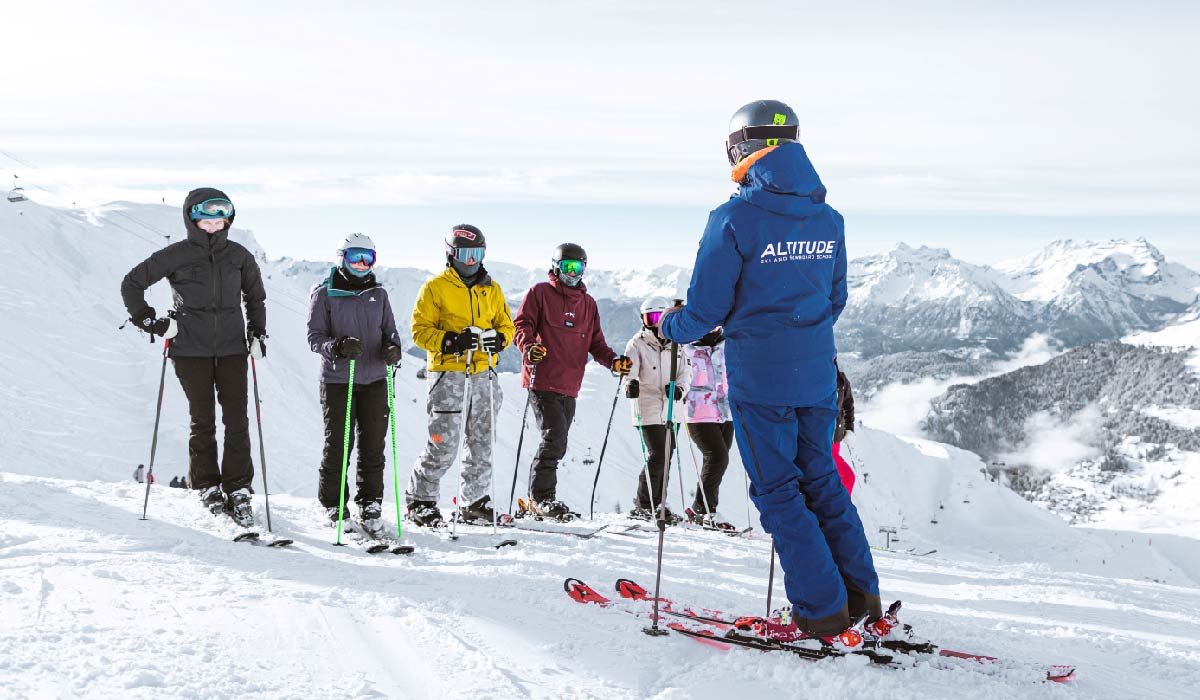
Stepping onto a snow-covered mountain for the first time is genuinely exciting – but let’s be honest, it’s also a bit terrifying. Skis feel impossibly long, snowboards seem determined to go sideways, and everyone around you appears to have been born doing this. The good news? They weren’t. Building confidence on the slopes is something that happens gradually, and it happens for everyone who sticks with it.
This guide walks through some practical techniques that actually help. Nothing complicated, nothing that requires superhuman athleticism – just sensible approaches to getting comfortable on snow.
1. Start with the Basics
Before anything else, get the fundamentals sorted. This sounds obvious, but it’s genuinely where most beginners go wrong – they skip the boring bits and end up struggling later. Learning to stop and turn properly before trying to build speed isn’t just good advice, it’s the difference between enjoying your first day and spending it face-down in the snow.
Booking ski lessons is one of the smartest things a beginner can do. A decent instructor breaks everything down into steps that actually make sense, rather than leaving you to guess. Good lessons are designed around where you are right now, not where you think you should be.
2. Take It Slow
The temptation to jump straight onto a proper run is real. Resist it. Starting on flatter terrain and smaller slopes lets you get used to how everything feels – the weight distribution, the edge control, the slightly unnerving sensation that you might slide away at any moment.
Rushing onto steeper slopes too early leads to mistakes, and mistakes knock confidence. Practising on beginner slopes until things feel natural isn’t a step backwards – it’s exactly how it’s supposed to go. Progress tends to sneak up on you, and looking back at what felt impossible a few sessions ago is quietly satisfying.
3. Work on Your Balance
Balance underpins pretty much everything in skiing and snowboarding. Shifting your weight correctly, staying centred, reacting to changes in the terrain – all of it comes back to balance. The encouraging thing is that balance genuinely improves with practice; it’s not something you either have or you don’t.
Off the snow, things like yoga or simply standing on one leg (yes, really) help strengthen the muscles that keep you stable on the slopes. It sounds a bit daft, but it works. Better balance means fewer wobbles, and fewer wobbles means more confidence.
4. Focus on the Right Stance
A small adjustment in stance can completely change how in control you feel. For skiers, that means knees slightly bent, weight pushed forward, body relaxed but engaged. For snowboarders, getting your stance right – whether you’re regular or goofy – is what makes turning and stopping feel manageable rather than chaotic.
If something feels off, it usually is. Stance is often the culprit when things aren’t clicking, and an instructor pointing out a small correction can make an immediate difference. It’s one of those things that’s genuinely hard to self-diagnose.
5. Learn How to Fall Safely
Here’s the thing – you will fall. Everyone does. The goal isn’t to avoid falling entirely; it’s to do it without hurting yourself, and then get back up without losing your nerve.
Skiers are better off falling to the side rather than backwards, which can put real strain on the back. Snowboarders should aim to absorb the fall through their forearms rather than putting their hands out instinctively – wrists take a battering that way. Practising this somewhere away from the main slopes helps it become second nature.
Every fall is teaching you something, even when it doesn’t feel that way. That’s not just a nice thing to say – it genuinely is how the learning process works.
- Stay Relaxed and Breathe
Tension is the enemy on the slopes. When you’re tense, your movements become rigid and jerky, balance gets harder to maintain, and everything feels more precarious than it actually is. It becomes a bit of a cycle.
Breathing properly – slowly and deliberately – genuinely helps. It sounds almost too simple, but focusing on a slow exhale when things feel wobbly can settle the nerves enough to regain control. Try to bring your attention back to the actual physical sensations: how the snow feels, how your body is moving, the air. It pulls focus away from the fear and back to the moment.
7. Celebrate Small Wins
It’s very easy to fixate on everything you can’t do yet. Much more useful, though, is noticing what you’ve managed that you couldn’t do before. Successfully linking two turns together, coming to a clean stop, not falling over getting off the lift – these things matter.
Confidence builds incrementally, through small moments of realising you’ve got something. Giving yourself credit for that, rather than immediately moving the goalposts, keeps motivation up and makes the whole experience a lot more enjoyable.
8. Visualise Your Success
This might feel a bit unusual if you’ve not come across it before, but visualisation is something athletes at all levels use – and it works for beginners too. Before heading out, take a moment to picture yourself moving smoothly down the slope, turning where you want to, feeling in control.
It’s not magic, but it does reduce anxiety and helps you approach the slope with a clearer head. Going in already having mentally rehearsed it makes the whole thing feel slightly less unknown.
Getting There
Confidence on the slopes doesn’t arrive all at once – it accumulates, session by session, through small victories and the occasional undignified tumble. Starting with solid basics, taking things at your own pace, and getting the right support through ski lessons designed for beginners all make a genuine difference.
More than anything, try to enjoy it. Skiing and snowboarding are brilliant once things start clicking, and the early stages – frustrating as they can be – are part of what makes the progress feel so rewarding. Stick with it, and the slopes will start to feel a lot less intimidating before long.

Do You Really Need a Watch Winder for Your Automatic Watch?

Why Sportswear Is No Longer Limited to Athletes

The Name Necklace Trend Is Back, But More Grown-Up

A Clearer Route to Reliable professional drain clearance and CCTV inspection

Is The High Street Bank Losing Its Grip On UK Business Loans?

How Engineering Firms Are Using Technology to Deliver Faster Projects

Why Elasticated Waists Have Stopped Being the Thing Nobody Admits They Own

Magnific for Enterprise: How Global Brands Are Using AI Creative Production at Scale

Micro-Soldering Tools and iPhone Motherboard Repair: A Complete Guide

UK Management College Celebrates 10 Years of Excellence with Landmark SummerFest 2026 at Heaton Park

TabooTube Explained: The Powerful Platform for Unfiltered Content

SSIS 469: Fixing SQL Data Errors in ETL Workflows

content://cz.mobilesoft.appblock.fileprovider/cache/blank.html: Explained with Powerful Insights

Scrolller Explained: The Powerful Way to Browse Reddit Images

Zavalio com Explained: The Ultimate Truth You Must Know

adswynk com: Monetize Links With Smart Ads in 2025

Deshoptec com Review: Powerful Truth About This Online Store

kz43x9nnjm65: The Smart Code Transforming Digital Technology

Novafork: The Best Free Streaming Site for Movies, Shows & Anime

Milohacherry Coin Explained: The Powerful Lifestyle Crypto Rewarding Travel & Fitness
-
 Blog9 months ago
TabooTube Explained: The Powerful Platform for Unfiltered Content
-
 Blog11 months ago
SSIS 469: Fixing SQL Data Errors in ETL Workflows
-
 Blogs12 months ago
content://cz.mobilesoft.appblock.fileprovider/cache/blank.html: Explained with Powerful Insights
-
 Blog9 months ago
Scrolller Explained: The Powerful Way to Browse Reddit Images