
Home Improvement
The Benefits of Installing Roof Lanterns in Traditional Homes

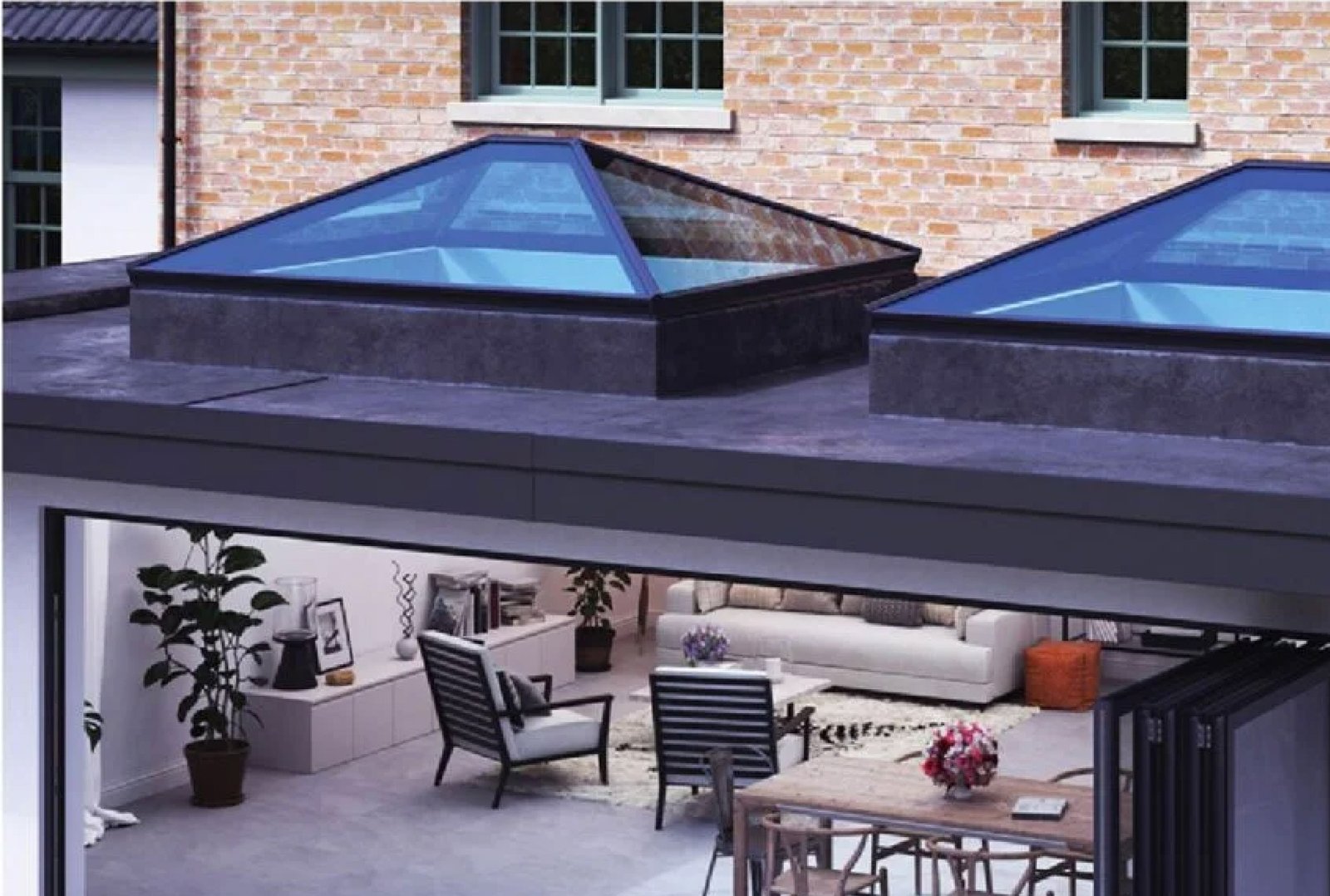
My neighbor installed a roof lantern last spring. I walked into her Victorian terrace and couldn’t believe the difference. The kitchen that used to feel like a cave now had sunlight pouring in from above. She told me her electricity bill dropped too. That’s when I started paying attention to these things. If you live in an older house, you know the struggle with dark rooms and narrow windows. Roof lanterns fix that problem without ruining the character of your home.
What is a Roof Lantern?

Picture a glass box sitting on top of your roof. That’s basically what a roof lantern is.
The frame sits raised above your ceiling with glass panels on the sides and top. Light comes in from every direction instead of just straight down like a normal skylight. You get sunshine from morning until evening.
They come in different styles to match older houses. Georgian ones have thin metal bars in a grid pattern. Victorian designs tend to be fancier with more decorative touches. Edwardian styles sit somewhere in between. You pick whichever suits your home’s age and look.
The structure creates a real statement piece in your room. People notice it the second they walk in.
Maintaining Roof Lanterns for Longevity

Roof Lanterns don’t need much fussing over. Clean them twice a year and you’re sorted.
Use warm water with a bit of washing-up liquid and a soft cloth. Same way you’d clean your windows. Dirt and grime block the light so keeping the glass clean makes a real difference. Takes about twenty minutes if you can reach it safely.
Check the seals once a year. Look for any cracks or gaps where water might sneak in. The frames on newer models are aluminum with a tough coating that doesn’t rust. Just wipe them down when they look grimy.
After bad weather, climb up and clear off any leaves or twigs. Blocked drains cause water to pool up and that’s when leaks start. Five minutes of checking saves you hundreds in repairs down the line.
Enhancing Energy Efficiency

You’d think more glass means higher heating bills. Not with modern roof lanterns.
They use double or triple glazing now. The air gap between the panes stops heat escaping in winter. There’s also a special coating that bounces warmth back into your room. In summer, it works the opposite way and keeps excess heat out.
My cousin saw her electricity bill drop by £30 a month after installation. She barely turns the kitchen lights on during the day anymore. Over a year that adds up to real money.
The ones with opening vents are brilliant in hot weather. Hot air rises and escapes through the top instead of sitting in your house. You don’t need to blast the fan as much.
Cost-Effective Home Improvement

Getting a roof lantern installed takes two to three days usually. The crew cuts the opening, fits the frame and seals everything up. You can stay in your house while they work.
Prices start around £2000 for smaller basic models. Larger ones with fancy features cost more. That might sound steep but think about what else you get for that money. An extension costs ten times more and takes months of disruption.
The payback happens through lower bills and higher house prices. Plus you actually enjoy living in brighter rooms every single day. That’s worth something you can’t put a number on.
Check if installers offer finance plans. Some let you spread the cost over a year or two which makes it easier to manage.
Increasing Home Value and Appeal

Estate agents in my area say houses with roof lanterns shift faster. Buyers walk in and immediately feel the space differently. Bright rooms look bigger. People get excited about properties that feel open and airy. Dark houses sit on the market for months.
Rooflights & Skylights UK installations show buyers you’ve looked after the place. It signals that other things are probably in good condition too. That builds confidence when someone’s deciding whether to make an offer.
The reaction when people first see the light flooding in is something else. I’ve been to viewings where buyers made offers on the spot because of it.
Choosing the Right Style for Your Home

Get the style wrong and it sticks out like a sore thumb. Match it right and people assume it’s been there for decades.
Georgian lanterns suit houses built between 1714 and 1830. They have slim bars in straight lines and simple shapes. No fuss or decoration. Just clean proportions that look elegant.
Victorian houses need something with more personality. These lanterns have steeper roofs and often feature decorative finials or cresting. They match the ornate style of houses from 1837 to 1901.
Edwardian designs work for houses built in the early 1900s. They’re simpler than Victorian but still have period details. Many people with 1920s and 1930s houses pick these too.
Size matters as much as style. A huge lantern in a small room looks daft. Too small and you’ve wasted your money because you don’t get enough light. Measure your room and ask suppliers what size works best.
Frame color should match your existing windows. White frames suit cream or white houses. Black or grey looks right on red brick. Keeping things consistent makes the lantern look like it belongs.
Conclusion
Roof lanterns solve the light problem that most old houses have. They bring in sunshine without wrecking the period features that make your home special. You save on electricity, add value to your property and actually enjoy being in rooms that used to feel gloomy. The upkeep is minimal and the results last for decades. If you’re tired of living in the dark, this is the fix that actually works.

Do You Really Need a Watch Winder for Your Automatic Watch?

Why Sportswear Is No Longer Limited to Athletes

The Name Necklace Trend Is Back, But More Grown-Up

A Clearer Route to Reliable professional drain clearance and CCTV inspection

Is The High Street Bank Losing Its Grip On UK Business Loans?

How Engineering Firms Are Using Technology to Deliver Faster Projects

Why Elasticated Waists Have Stopped Being the Thing Nobody Admits They Own

Magnific for Enterprise: How Global Brands Are Using AI Creative Production at Scale

Micro-Soldering Tools and iPhone Motherboard Repair: A Complete Guide

UK Management College Celebrates 10 Years of Excellence with Landmark SummerFest 2026 at Heaton Park

TabooTube Explained: The Powerful Platform for Unfiltered Content

SSIS 469: Fixing SQL Data Errors in ETL Workflows

content://cz.mobilesoft.appblock.fileprovider/cache/blank.html: Explained with Powerful Insights

Scrolller Explained: The Powerful Way to Browse Reddit Images

Zavalio com Explained: The Ultimate Truth You Must Know

adswynk com: Monetize Links With Smart Ads in 2025

Deshoptec com Review: Powerful Truth About This Online Store

kz43x9nnjm65: The Smart Code Transforming Digital Technology

Novafork: The Best Free Streaming Site for Movies, Shows & Anime

Milohacherry Coin Explained: The Powerful Lifestyle Crypto Rewarding Travel & Fitness
-
 Blog9 months ago
TabooTube Explained: The Powerful Platform for Unfiltered Content
-
 Blog11 months ago
SSIS 469: Fixing SQL Data Errors in ETL Workflows
-
 Blogs12 months ago
content://cz.mobilesoft.appblock.fileprovider/cache/blank.html: Explained with Powerful Insights
-
 Blog9 months ago
Scrolller Explained: The Powerful Way to Browse Reddit Images