
Blog
Valplekar Explained: The Powerful Way to Raise Happy, Healthy Puppies

What Is Valplekar?
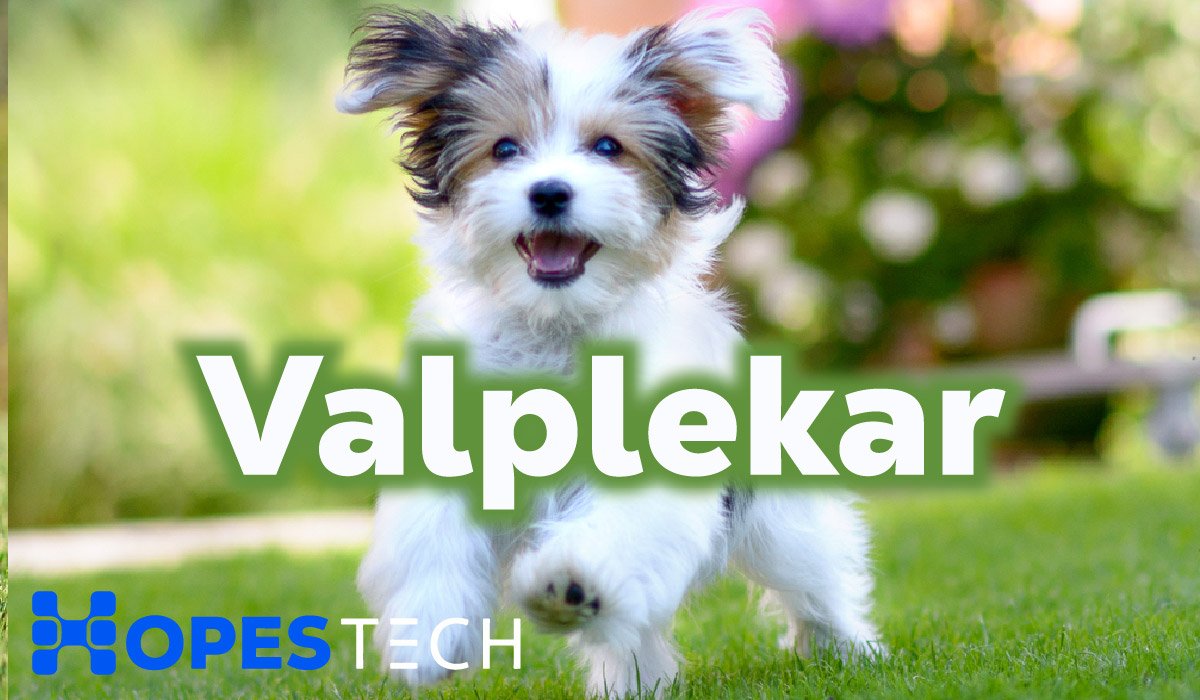
Is Valplekar a puppy play style, a cultural tradition, or a mindfulness practice? Surprisingly, it’s all of these and more. The Swedish term valplekar—which directly translates to “puppy play”—has grown far beyond its roots, evolving into a comprehensive framework used to shape young dogs, connect communities, and even inspire wellness routines for humans.
In its most fundamental form, valplekar refers to the play-based activities essential for healthy puppy development. But dig deeper, and you’ll find it also refers to ancestral bonding rituals in rural Sweden, and is now embraced by modern lifestyle and parenting communities as a metaphor for intentional living, emotional regulation, and joyful connection.
This article offers a complete exploration of valplekar from all three lenses: as a structured play system for puppies, as a rich cultural heritage tradition, and as a modern-day framework for wellness and bonding. Whether you’re a pet parent, a cultural enthusiast, or a wellness seeker, understanding the core value of valp lekar will enrich your perspective—and possibly your life.
The Origin and Meaning of Valplekar
Etymology and Linguistic Roots
The term Valplekar is composed of two Swedish words: “valp,” meaning puppy, and “lekar,” meaning plays or games. It is commonly used in dog training circles across Scandinavia to refer to guided, intentional play sessions designed for puppies during their formative months. Historically, the term was applied to the nurturing behavior between dogs and humans in small farming communities, where training, discipline, and affection were all communicated through forms of play. Over time, the concept of valp lekar began appearing in rural folklore as a bonding tradition between shepherds and their working dogs. It wasn’t long before its meaning expanded metaphorically to include broader practices of care, connection, and ritual.
Modern Interpretations
Today, valplekar finds relevance in multiple domains. In dog training manuals, it’s often used as a structured developmental blueprint for canine behavioral health. At the same time, wellness communities have embraced it as a symbol of intentional engagement—encouraging people to “play like puppies,” meaning to approach life with curiosity, mindfulness, and emotional warmth. Social influencers and local blogs have elevated valplekar as a lifestyle tag, promoting activities that blend playful learning with emotional bonding. From obedience training to community festivals to guided wellness routines, valplekar’s applications are as diverse as they are meaningful.
Valplekar and Puppy Development: A Scientific Framework
Why Play Is Essential for Puppies
Play isn’t just for fun—it’s biological programming for survival, adaptation, and emotional growth. During early life, puppies undergo rapid neurological, muscular, and emotional development. Valplekar provides the perfect context for this growth. Physical activities like tug-of-war and fetch enhance muscular strength, bone density, and cardiovascular stamina. Simultaneously, play-based interactions reduce anxiety, correct aggression, and prevent destructive behaviors such as excessive chewing or barking. Neurologically, puppies that play regularly have been shown to develop sharper cognitive processing, improved memory retention, and better problem-solving skills. Structured play also fosters safe boundaries and impulse control—two vital life skills that influence long-term obedience and social compatibility.
Growth Stages and Play Adaptation
Valplekar activities should be adapted according to the age and development of the puppy. During the neonatal stage (0–2 weeks), puppies mostly sleep and feed, requiring minimal interaction. By the transitional stage (2–4 weeks), gentle touches and basic object exposure help them orient. The socialization stage (4–12 weeks) is critical—this is when valp lekar becomes essential. Structured games, human interaction, and exposure to new environments form the social and emotional blueprint of the dog. The juvenile stage (3–6 months) is when obedience training, endurance activities, and confidence-building games play a huge role. At each stage, the form of valplekar must evolve to meet both physiological and emotional demands.
Structured vs. Unstructured Valplekar
Structured valplekar involves games with a purpose—like fetch for recall training, agility courses for confidence, and tug-of-war for bite control. These sessions are often led by owners or trainers and come with clearly defined rules and goals. Unstructured valp lekar, on the other hand, includes free exploration, play with other dogs, or solo toy interaction. Both types are essential. Structured play builds discipline and responsiveness, while unstructured play nurtures creativity, emotional autonomy, and environmental adaptability. The ideal valp lekar plan combines both to raise puppies that are physically fit, emotionally stable, and intellectually stimulated.
Physical and Cognitive Benefits of Valplekar
Physical Health
Consistent physical activity through valplekar leads to robust skeletal development, optimal joint flexibility, and strong cardiovascular function. For example, fetch enhances leg strength and aerobic endurance. Tug-of-war builds jaw control and muscle tone, while simple obstacle courses improve agility and balance. These activities mirror natural canine behaviors, satisfying their instincts while promoting wellness. Puppies raised with active valplekar routines are statistically less prone to obesity, arthritis, and joint issues later in life. By investing in physical play early, pet owners lay the groundwork for healthier, longer-living dogs.
Top Valplekar Physical Activities by Age & Duration:
| Age Range | Activity | Duration |
|---|---|---|
| 4–8 weeks | Gentle tug or roll | 5–10 mins/day |
| 8–12 weeks | Fetch (soft toys) | 10–15 mins/day |
| 3–6 months | Obstacle course | 15–20 mins/day |
| 6+ months | Structured training | 30+ mins/day |
Mental Stimulation
Mental fatigue in puppies is just as critical as physical tiredness. Valplekar promotes cognitive growth through puzzles, scent games, and decision-making play. For instance, treat-dispensing toys teach cause-effect logic, while hide-and-seek boosts memory and spatial awareness. One real-world example involved a Labrador pup prone to destructive chewing. After introducing daily puzzle play and treat hunts, the dog not only stopped chewing furniture but showed improved patience and obedience. Mental stimulation builds resilience, confidence, and reduces neurotic tendencies. A well-exercised mind makes a well-behaved dog.
Socialization Through Valplekar
Building Confidence and Social Etiquette
Through play, puppies learn the rules of the social world: how to read body language, how to engage politely, and how to resolve conflict non-aggressively. Bite inhibition—a key skill—can only be taught through interaction with other puppies. Valplekar introduces pups to new dogs, people, and environments, expanding their tolerance and adaptability. Puppies lacking early social valp lekar often become fearful or reactive adults. A once-shy spaniel who trembled around strangers gained confidence after several weeks of controlled puppy playgroups—illustrating how consistent social play builds trust and courage.
Human–Puppy Bonding
Interactive play between humans and puppies does more than train behaviors—it forges lifelong bonds. Scientific studies show that engaging in joyful activities like valp lekar increases oxytocin (the “bonding hormone”) in both the human and the puppy. Games like hide-and-seek, recall training, and trick-learning become shared rituals that build emotional safety and mutual understanding. Remember this phrase: “A playful pup is a peaceful pup.” That peace is grounded in trust built through daily, meaningful interaction.
Valplekar as a Cultural Practice
Traditional Swedish Rituals Linked to Valplekar
In rural Sweden, valplekar has long been associated with seasonal bonding traditions. In the spring, families would gather with their working dogs for outdoor communal games, storytelling, and feasts. Puppies were introduced to livestock, nature, and other dogs through supervised play. These experiences weren’t just social—they were formative rites of passage. Stories passed down in northern Sweden speak of shepherds who measured a pup’s worth not just by its bark or bite, but by its playfulness and curiosity—traits thought to reveal future potential.
Community Impact and Festivals
Today, Valplekar-themed festivals have been revived in many Nordic regions, blending folklore with modern dog-training demonstrations, artisan markets, and community storytelling. Events often include valplekar courses, puppy socialization tents, and educational talks. These gatherings help preserve regional heritage while educating new generations about responsible pet ownership and animal psychology. Artisans frequently craft themed toys, treats, and accessories inspired by traditional motifs—merging heritage with modern design.
Modern Wellness and Valplekar
Valplekar in the Wellness World
Beyond canine development, valplekar is now used metaphorically in human wellness practices. Parenting communities use it to describe healthy play-based learning. Mindfulness coaches frame it as a way to reconnect with joy and presence. In fact, several wellness apps now offer “Valp lekar routines” that encourage users to integrate brief, playful moments into their workday—such as creative breathing games, physical movement, or emotional check-ins through guided play. The cross-species appeal of valp lekar shows how deeply the act of play resonates across all beings.
Emotional Regulation and Mental Clarity
Mindful play has documented benefits in reducing cortisol, improving serotonin levels, and enhancing cognitive focus in both dogs and humans. A few minutes of gentle valplekar-inspired breathing, toy play, or shared walks can significantly regulate the nervous system. For puppies, it translates to reduced barking, chewing, and hyperactivity. For humans, it offers a grounding alternative to screen-based stimulation. As more people seek natural stress solutions, valp lekar offers a beautifully simple model: move, connect, play.
Implementing Valplekar at Home
Sample Daily Puppy Valplekar Routine
Creating a balanced valplekar routine ensures physical, mental, and emotional development. Here’s a sample day:
-
Morning: 15 minutes of fetch, integrated with “come” and “drop it” commands
-
Midday: Puzzle feeder or scent game indoors (10–15 mins)
-
Afternoon: Social playdate or obstacle course in yard (20 mins)
-
Evening: Gentle bonding play, belly rubs, trick learning (10 mins)
Consistency and variety are key. Rotate toys weekly. Keep play sessions short for young pups but frequent enough to keep them engaged.
Tools and Toys That Support Valp lekar
Effective valplekar tools include treat puzzles, tug ropes, and soft balls. Agility tunnels and weave poles add variety. Always supervise play. Rotate toys to prevent boredom. Bonus: DIY toys like crumpled paper in a cardboard box or hidden treats in an old muffin tin offer budget-friendly mental workouts.
Adapting Valplekar for Different Breeds and Lifestyles
High-Energy Breeds
Breeds like Border Collies or Belgian Malinois need high-intensity valp lekar, including outdoor running, frisbee, and advanced agility. Mental games should be equally challenging—scent trails, complex tricks, or hide-and-seek.
Small/Calm Breeds or Indoor Puppies
For Shih Tzus or Cavalier King Charles Spaniels, gentle games like tug-of-war, short indoor fetch, or treat puzzles work best. These puppies need mental enrichment more than cardio. Calmer environments with focused bonding are ideal.
Common Mistakes and How to Avoid Them
Avoid overexerting young pups—it can lead to injuries. Don’t skip mental games; boredom causes chewing and anxiety. Inconsistency in play schedules leads to frustration and disobedience. Never leave unsafe toys unsupervised. The key is balance: short, supervised, varied play sessions that evolve with your dog’s growth.
Expert Tips to Maximize Valp lekar Results
Start small and increase gradually. Mix physical, mental, and social forms of valp lekar daily. Watch your puppy’s mood—some need more sniff time, others crave running. Use consistent commands and positive reinforcement. Keep things flexible, fun, and enriching. Valp lekar isn’t a to-do list—it’s a lifestyle.
Long-Term Benefits of Valplekar
Dogs raised with daily valplekar routines are emotionally stable, less aggressive, more social, and easier to train. They live healthier, longer lives. Owners benefit too—experiencing deeper bonds, smoother training sessions, and a joyful companionship that grows stronger each day.
Valplekar as Legacy
Valplekar connects generations—both canine and human. It preserves cultural rituals, strengthens emotional intelligence, and promotes holistic wellness. As digital life accelerates, valp lekar reminds us to slow down, play intentionally, and build bonds that matter. It’s not just about puppies—it’s a timeless philosophy.
FAQs
1. What is Valplekar?
Valplekar is a Swedish term that means puppy play. It refers to structured and unstructured play activities that help puppies grow physically, mentally, and socially. Valplekar is also used as a broader concept for bonding, emotional development, and mindful interaction between puppies and humans.
2. Why is Valplekar important for puppies?
Valplekar is important because it supports healthy puppy development. It helps build strong bones and muscles, improves brain function, reduces anxiety and destructive behavior, and teaches social skills like bite control and confidence. Puppies that practice valplekar grow into calmer, better‑behaved adult dogs.
3. How often should Valplekar be practiced?
Valplekar should be practiced every day. Most puppies benefit from 30 to 60 minutes daily, divided into short sessions that include physical play, mental games, and social interaction. Short, regular play sessions work better than long, exhausting ones.
4. Is Valplekar suitable for all dog breeds?
Yes, Valplekar is suitable for all dog breeds. High‑energy breeds need more physical activities like fetch and agility, while smaller or calmer breeds benefit more from puzzle toys and gentle indoor play. Valplekar can be easily adapted based on breed, age, and energy level.
5. Can Valplekar prevent behavioral problems in dogs?
Yes, regular Valp lekar can prevent many behavioral problems. Puppies that receive enough play and mental stimulation are less likely to develop aggression, fear, excessive barking, or destructive chewing. Valp lekar helps puppies release energy, manage emotions, and learn positive behaviors early.
Read More: Rodwajlery: Powerful Dogs with a Loyal Heart
For More Information, Visit HopesTech

Best Recovery Tool for UK Athletes: Why Red Light Therapy Is Changing the Game

When AI Code Generators Actually Help Python Developers

Local Security Experts Highlight Importance of Smart Home Integration

A Fresh Start With Dr MFO For Your Gender Affirmation

How Technology Is Transforming The Modern Cruise Experience

Balancing Budget and Lifestyle: A Practical Approach to Property Decisions

Navigating the Tech-Driven Evolution of Global Entertainment Platforms

5 Reasons an Online GMAT Course Is Ideal for Working Professionals

What should families expect when starting behavioral therapy?

Top Benefits of Hiring a Professional Roofing Company

TabooTube Explained: The Powerful Platform for Unfiltered Content

SSIS 469: Fixing SQL Data Errors in ETL Workflows

content://cz.mobilesoft.appblock.fileprovider/cache/blank.html: Explained with Powerful Insights

Scrolller Explained: The Powerful Way to Browse Reddit Images

Zavalio com Explained: The Ultimate Truth You Must Know

adswynk com: Monetize Links With Smart Ads in 2025

Deshoptec com Review: Powerful Truth About This Online Store

Milohacherry Coin Explained: The Powerful Lifestyle Crypto Rewarding Travel & Fitness

Novafork: The Best Free Streaming Site for Movies, Shows & Anime

Brandi Loge: The Inspiring Rise of a Bold Creative Leader
-
 Blog3 months ago
TabooTube Explained: The Powerful Platform for Unfiltered Content
-
 Blog5 months ago
SSIS 469: Fixing SQL Data Errors in ETL Workflows
-
 Blogs6 months ago
content://cz.mobilesoft.appblock.fileprovider/cache/blank.html: Explained with Powerful Insights
-
 Blog3 months ago
Scrolller Explained: The Powerful Way to Browse Reddit Images