
Blog
Whaleness: The Powerful New Wellbeing Philosophy Connecting Humans, Whales, and the Planet

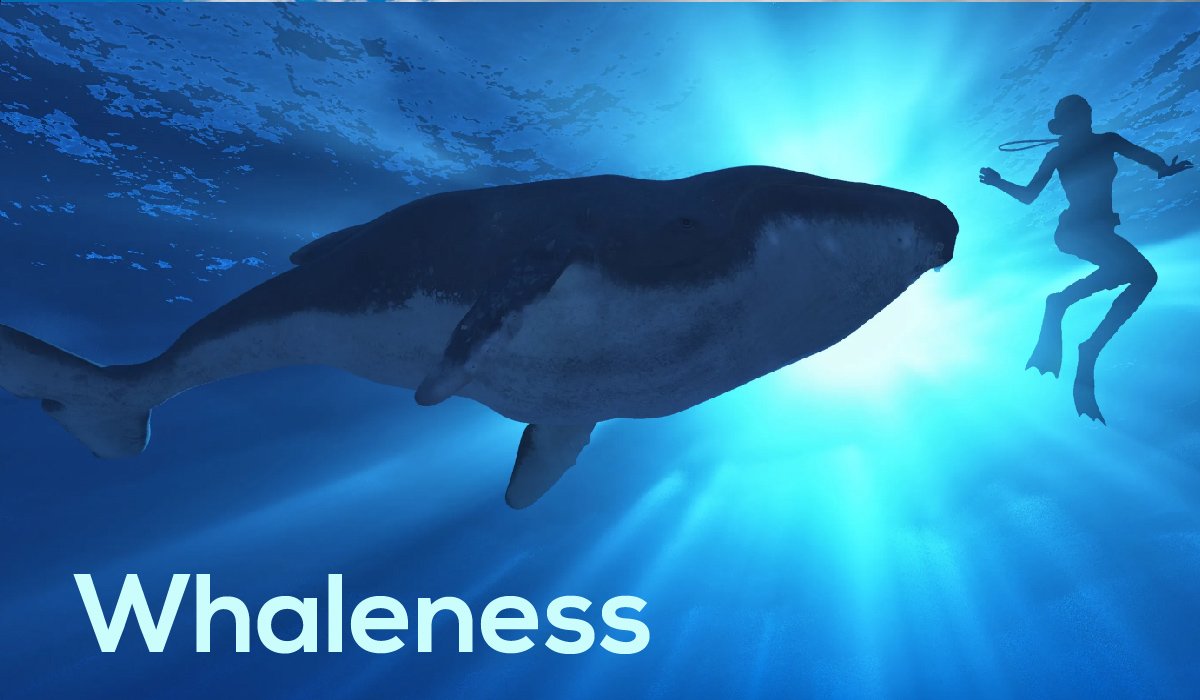
Modern life moves quickly. Many people feel tired, stressed, and disconnected from nature. At the same time, the world faces serious environmental challenges such as climate change, ocean pollution, and biodiversity loss. Because of this, people are searching for deeper ways to live well—not only for themselves but also for the planet. Whaleness is an emerging wellbeing philosophy that responds to this need by connecting human wellness, whale ecology, planetary health, mindfulness, and sustainable living.
Whaleness suggests that true wellbeing cannot exist in isolation. Human health, ocean ecosystems, and environmental balance are deeply connected. Whales play an important role in this idea because they symbolize balance, intelligence, resilience, and harmony within nature. As some of the largest and most socially intelligent animals on Earth, whales demonstrate how life can thrive through cooperation, patience, and respect for natural rhythms.
The concept of Whaleness blends ecological science with emotional awareness and sustainable lifestyle practices. It encourages people to see wellbeing as something shared between humans and the natural world. This article explores the meaning of Whale ness, the origin of the concept, the ecological importance of whales, the connection between ocean health and human wellness, practical lifestyle habits inspired by Whaleness, environmental responsibility, and the future of this growing wellbeing movement.
What Is Whaleness?
Whaleness is a holistic wellbeing philosophy that connects human health with the health of whales and the planet. The term reflects the idea that personal wellness and environmental balance are closely linked. When ocean ecosystems are healthy and wildlife is protected, human well-being also improves. In simple terms, the whaleness meaning refers to living in harmony with nature while learning from whales, which symbolize calmness, intelligence, and ecological balance.
The whaleness philosophy encourages mindful living, environmental responsibility, and emotional awareness. It teaches that humans are not separate from nature but part of a larger ecological system. By protecting oceans, respecting wildlife, and adopting sustainable habits, people can improve both their own well-being and the health of the planet. As a lifestyle approach, Whale ness combines science, mindfulness, and environmental care to create a balanced and meaningful way of living.
The Origin and Concept Behind Whaleness
The idea of Whaleness developed as people began to search for deeper connections between environmental awareness and personal well-being. In recent years, scientific research has highlighted how closely human health depends on the stability of natural ecosystems. At the same time, mental health experts have shown that spending time in nature improves emotional balance and reduces stress.
Whaleness grew from this intersection of environmental science, ocean awareness, and holistic wellness. By focusing on whales as both ecological protectors and symbolic guides, the philosophy offers a simple yet powerful reminder that humans and nature are part of the same system.
The Word Formation: Whale + Wholeness
The word Whaleness combines two ideas: whale and wholeness. Whales represent the strength and intelligence of the ocean, while wholeness represents a complete and balanced state of well-being. By blending these two concepts, the term suggests that observing and protecting whales can help humans understand how to live in harmony with the planet.
Whales move slowly through vast oceans, communicate across great distances, and maintain strong social bonds within their groups. These characteristics symbolize patience, connection, and awareness—qualities that Whaleness encourages people to develop in their own lives.
How Whaleness Emerged in Modern Wellness Discussions
Interest in Whaleness has grown alongside rising awareness of climate change, ocean protection, and global mental health challenges. Many people are looking for wellness approaches that go beyond individual self-care and include responsibility toward the Earth.
Environmental movements, ocean conservation efforts, and mindfulness practices have all influenced the development of Whale ness. By combining ecological responsibility with emotional and spiritual awareness, this philosophy provides a modern framework for living in balance with both the self and the planet.
Why Whales Are Central to the Philosophy of Whaleness
Whales play a central role in the philosophy of Whaleness because they represent both ecological importance and symbolic wisdom. These massive marine mammals influence ocean ecosystems in powerful ways, but they also inspire reflection about how humans live and interact with nature.
Whales as Symbols of Wisdom and Balance
Whales are often seen as symbols of wisdom, calmness, and deep awareness. They travel across entire oceans, communicate using complex sounds, and maintain close social relationships with other members of their groups. Their slow and graceful movements reflect patience and balance rather than speed and competition.
These qualities inspire mindful living. In the context of Whaleness, whales remind people to slow down, listen carefully, and respect the rhythms of nature. Their behavior demonstrates how cooperation and connection can support long-term survival and harmony.
Cultural and Historical Symbolism of Whales
Throughout history, whales have held important meanings in many cultures. Indigenous communities around the world have respected whales as powerful guardians of the ocean and symbols of wisdom and spiritual depth. In some traditions, whales represent protection, guidance, and the interconnectedness of life.
Stories, myths, and folklore about whales often highlight themes of balance between humans and nature. These cultural perspectives align closely with the ideas behind Whale ness, reinforcing the belief that humans should live respectfully within the natural world.
The Ecological Importance of Whales
One of the strongest foundations of Whaleness is scientific research about the role whales play in ocean ecosystems. Far from being passive inhabitants of the sea, whales actively support the health of the planet.
Whales and Ocean Ecosystem Balance
Whales contribute to marine biodiversity through their migrations and feeding behaviors. As they travel across oceans, they help distribute nutrients and support marine food chains. Their presence also supports many smaller species that depend on stable ocean ecosystems.
When whale populations decline, the balance of ocean life can be disrupted. Protecting whales therefore supports the stability of entire marine ecosystems.
The Whale Pump and Ocean Productivity
Scientists have discovered a process called the whale pump, which explains how whales improve ocean productivity. When whales dive deep to feed and then return to the surface, they release nutrient-rich waste that fertilizes the surrounding waters.
These nutrients support the growth of tiny marine plants called phytoplankton. Phytoplankton form the foundation of the ocean food chain and help sustain many marine species.
How Whales Help Fight Climate Change
Whales also play a role in regulating the Earth’s climate. Phytoplankton supported by the whale pump absorb large amounts of carbon dioxide from the atmosphere and produce oxygen through photosynthesis.
Because of this, healthy whale populations can indirectly contribute to climate regulation. This scientific reality strengthens the philosophy of Whale ness by showing that protecting whales supports both ocean ecosystems and global environmental stability.
The Core Principles of Whaleness
The philosophy of Whaleness is built around several key principles that guide personal and environmental well-being.
Interconnected Wellbeing
Whaleness teaches that human health and planetary health are closely linked. Clean air, healthy oceans, and balanced ecosystems support physical and emotional well-being for people around the world.
Mindful Living
Mindfulness is another important principle. Whaleness encourages slowing down, listening deeply, and becoming more aware of daily habits and environmental impacts.
Ecological Responsibility
Caring for the Earth is central to the philosophy. Whale ness promotes sustainable choices, conservation efforts, and respect for wildlife.
Collective Consciousness
Whaleness also encourages empathy and cooperation. By recognizing shared responsibility for the planet, individuals and communities can work together to protect natural ecosystems.
Whaleness and Human Wellbeing
Whaleness is not only about environmental awareness; it also supports personal health and emotional balance.
Mental Wellness and Mindfulness
Spending time in nature and thinking about ocean life can calm the mind and reduce stress. The slow and rhythmic movements of whales inspire breathing exercises and meditation practices that encourage relaxation.
Emotional Healing and Connection
Whales communicate using long and complex vocalizations. This reminds people of the importance of listening and emotional understanding. Whale ness encourages empathy, communication, and strong community connections.
Physical Wellness and Lifestyle Balance
Living in harmony with nature also supports physical health. Balanced diets, outdoor activity, and sustainable habits can improve energy levels and long-term wellbeing.
The Relationship Between Whaleness and Planetary Health
Environmental responsibility is a core element of Whale ness.
Environmental Awareness
Whaleness encourages individuals to learn about ocean ecosystems, wildlife protection, and environmental challenges such as climate change and pollution.
Sustainable Lifestyle Practices
Sustainable habits may include reducing plastic use, supporting eco-friendly products, and choosing foods that minimize environmental impact.
The Ripple Effect of Individual Actions
Even small actions can create larger environmental changes. When many individuals adopt sustainable habits, the collective impact can significantly support planetary health.
The Spiritual and Philosophical Side of Whale ness
Beyond science and lifestyle habits, Whaleness also includes deeper philosophical ideas about humanity’s relationship with nature.
Ocean Consciousness
Ocean consciousness refers to the awareness that human life is deeply connected to the health of oceans and marine ecosystems.
Nature-Centered Spirituality
Whaleness aligns with eco-spiritual traditions that emphasize respect for the Earth and gratitude for natural resources.
A Philosophy of Harmony
At its core, Whaleness promotes harmony between humans, nature, technology, and society.
How to Practice Whaleness in Daily Life
Practicing Whaleness does not require major changes. Small habits can gradually support a more balanced lifestyle.
Mindfulness Practices Inspired by the Ocean
Meditation, breathing exercises, and quiet reflection can help individuals feel calmer and more connected to nature.
Sustainable Living Habits
Reducing plastic waste, supporting conservation organizations, and choosing environmentally responsible products all align with Whale ness.
Connecting With Nature
Nature walks, visiting oceans or lakes, and learning about wildlife can strengthen awareness of environmental balance.
Practicing Compassion and Community
Kindness, cooperation, and shared responsibility for the environment help build stronger communities.
Whaleness Compared to Other Wellness Philosophies
Whaleness shares similarities with mindfulness, eco-wellness, holistic health, and environmental spirituality. However, it uniquely combines these ideas by focusing specifically on the relationship between ocean ecosystems and human wellbeing.
Why Whaleness Is Gaining Popularity in 2026
In recent years, many people have experienced stress, uncertainty, and climate anxiety. As a result, interest in holistic wellness philosophies has increased. Whale ness provides a meaningful approach that connects personal wellbeing with environmental care, making it especially relevant today.
The Future of Whaleness as a Global Wellbeing Movement
The philosophy of Whaleness may influence future wellness programs, environmental education, and ocean conservation initiatives. As awareness of planetary health grows, this movement could encourage global cooperation in protecting marine ecosystems.
Benefits of Embracing the Whaleness Lifestyle
Adopting Whaleness can provide several benefits:
-
reduced stress and improved mental clarity
-
stronger emotional awareness
-
deeper connection with nature
-
environmentally responsible habits
-
greater understanding of planetary health
Common Misconceptions About Whale ness
Some people misunderstand Whaleness as only a spiritual idea or a concept focused solely on whales. In reality, it is a broader philosophy that combines environmental science, mindfulness, and sustainable living.
Final Thoughts
Whaleness offers a powerful vision of wellbeing that connects human health with the health of the planet. By learning from whales and recognizing the importance of ocean ecosystems, people can develop a deeper understanding of balance, compassion, and responsibility.
In a world facing environmental challenges and increasing stress, Whale ness reminds us that caring for nature and caring for ourselves are not separate goals. They are part of the same journey toward a healthier and more balanced future.
FAQs
What is Whaleness in simple terms?
Whaleness is a wellbeing philosophy that connects human health with the health of whales and the planet. It teaches that when nature and oceans are healthy, people can also live healthier and more balanced lives. The idea encourages mindful living, environmental care, and respect for natural ecosystems.
Why are whales important in the concept of Whaleness?
Whales are important because they help keep the ocean ecosystem balanced. They support marine life, help nutrients circulate in the ocean, and even contribute to climate stability. In Whaleness, whales also symbolize wisdom, calmness, and harmony with nature.
How does Whaleness help improve mental wellbeing?
Whaleness encourages people to slow down and reconnect with nature. Thinking about the calm movement of whales and the rhythm of the ocean can reduce stress and bring peace to the mind. Nature awareness and mindfulness practices inspired by Whale ness support emotional balance and relaxation.
Can anyone practice Whaleness in daily life?
Yes, anyone can practice Whaleness with simple habits. People can reduce plastic waste, support ocean conservation, spend more time in nature, and live more mindfully. Small daily actions that respect the environment are an important part of the Whale ness lifestyle.
Is Whaleness based on science or spirituality?
Whaleness combines both science and philosophy. Scientific research shows that whales help maintain healthy oceans and support climate balance. At the same time, the philosophy encourages mindfulness, environmental awareness, and a deeper connection with nature.
For More Information, visit Hopestech

Techniques to Boost Confidence on the Slopes: A Beginner’s Guide

Why Accurate Needs Estimating Is Essential for Modern UK Construction Projects

From Rockets to Revenue: Exploring the Financial Trajectory of SpaceX

Common Types of Shearing Machines

Whaleness: The Powerful New Wellbeing Philosophy Connecting Humans, Whales, and the Planet

What Really Happens Before a Custom Shirt Reaches the Customer

The Retrospective Risk Adjustment Submission Deadline Strategy That’s Creating Millions in Audit Risk

Evırı: The Powerful New Concept Changing Identity and Digital Culture

Buy Gmail Pva Accounts From PVAInfo: A Simple, Safe, and Smart Guide for Beginners

Boelis Framework: The Ultimate Guide to Smarter Strategic Thinking

TabooTube Explained: The Powerful Platform for Unfiltered Content

content://cz.mobilesoft.appblock.fileprovider/cache/blank.html: Explained with Powerful Insights

Scrolller Explained: The Powerful Way to Browse Reddit Images

Zavalio com Explained: The Ultimate Truth You Must Know

adswynk com: Monetize Links With Smart Ads in 2025

Deshoptec com Review: Powerful Truth About This Online Store

SSIS 469: Fixing SQL Data Errors in ETL Workflows

Milohacherry Coin Explained: The Powerful Lifestyle Crypto Rewarding Travel & Fitness

Novafork: The Best Free Streaming Site for Movies, Shows & Anime

Brandi Loge: The Inspiring Rise of a Bold Creative Leader
-
 Blog3 months ago
TabooTube Explained: The Powerful Platform for Unfiltered Content
-
 Blogs6 months ago
content://cz.mobilesoft.appblock.fileprovider/cache/blank.html: Explained with Powerful Insights
-
 Blog2 months ago
Scrolller Explained: The Powerful Way to Browse Reddit Images
-
 Blog3 months ago
Zavalio com Explained: The Ultimate Truth You Must Know