
Guide
5 Preventable Risks Found Around Commercial Buildings

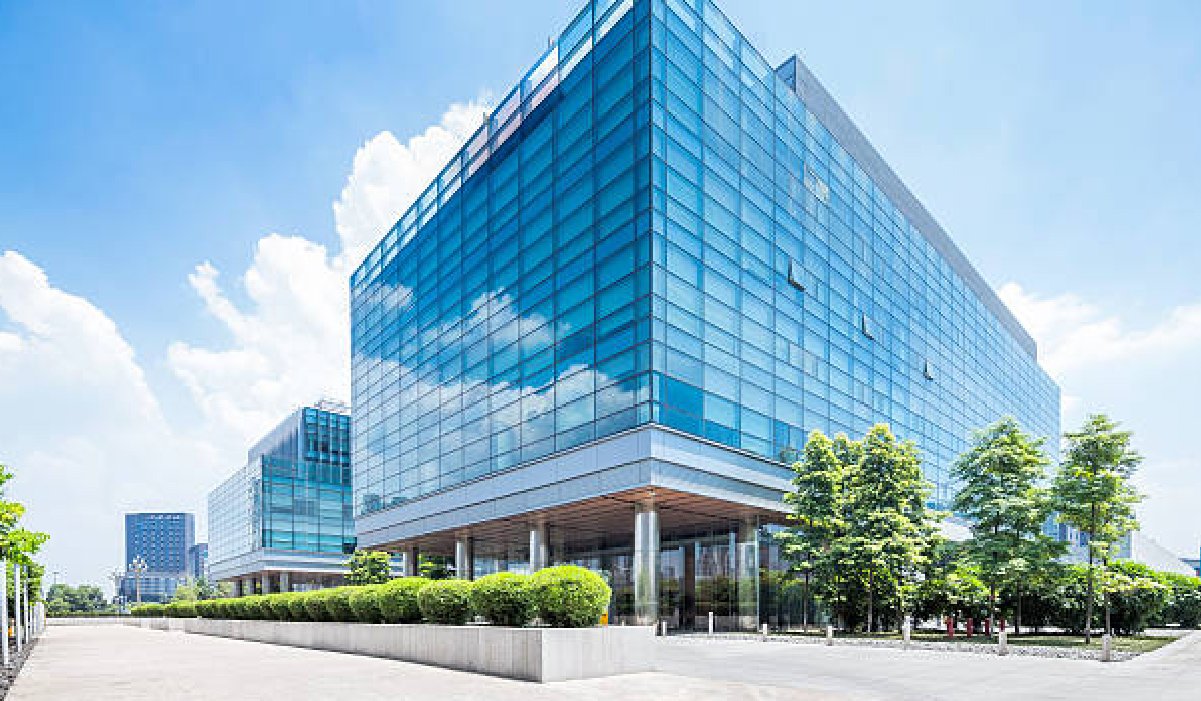
Commercial property ownership comes with a unique set of responsibilities. Unlike residential homes, where a little neglect might only annoy the neighbors, neglecting a commercial property can lead to significant liability issues, safety hazards, and a rapid depreciation of asset value.
When you manage a building, the exterior is the first thing clients, tenants, and employees see. It sets the tone for your business. However, beyond aesthetics, the grounds surrounding your facility play a critical role in safety and structural integrity. Many building owners focus heavily on interior maintenance—HVAC systems, lighting, and plumbing—while unintentionally overlooking the risks lurking right outside the front door.
From slip-and-fall accidents caused by uneven pavement to water damage resulting from poor drainage, the exterior environment is full of potential pitfalls. The good news is that most of these risks are entirely preventable with regular inspections and proactive maintenance.
Here are five common preventable risks found around commercial buildings and how you can address them before they become costly problems.
1. Poor Drainage and Water Accumulation
Water is arguably the most destructive force against any structure. When water isn’t effectively channeled away from your building, it causes a domino effect of damage.
Pooling water near the foundation can seep into basements or crawl spaces, leading to mold growth, wood rot, and structural instability. In colder climates, this water can freeze and expand, causing cracks in the foundation that are expensive to repair. Additionally, standing water on walkways or parking lots creates major slip hazards, especially when it turns to ice in winter or promotes algae growth in summer.
Prevention strategy:
Ensure your property has proper grading that slopes away from the building. regularly clean gutters and downspouts to prevent overflow. If you notice persistent puddles, consider installing French drains or catch basins. It is often wise to consult with professionals who understand local terrain and climate challenges to design a drainage solution that keeps your foundation dry and stable.
2. Overgrown Vegetation and Tree Limbs
Trees and shrubs add beauty and shade to commercial properties, but without management, they become significant liabilities.
Overgrown branches can scrape against siding, damage roofs, and even break windows during high winds. More dangerously, dead or dying limbs pose a severe threat to pedestrians and parked cars below. If a branch falls and injures someone, the property owner is often held liable.
Furthermore, vegetation growing too close to the building can trap moisture against the façade, accelerating decay in brick, wood, or stucco. Dense shrubbery near entryways can also create security risks by providing cover for intruders or obscuring lighting.
Prevention strategy:
Implement a routine pruning schedule. Keep tree limbs at least ten feet away from the roof and siding. Remove deadwood immediately and keep shrubs trimmed low enough to maintain visibility and airflow. If you are struggling to keep up with the growth, hiring professional landscaping services in Layton can ensure your greenery remains an asset rather than a hazard.
3. Cracked or Uneven Pavement
Your parking lot and walkways endure heavy traffic, weather fluctuations, and the weight of vehicles. Over time, asphalt and concrete will inevitably crack, heave, or develop potholes.
Uneven pavement is one of the leading causes of trip-and-fall accidents on commercial properties. A customer tripping over a raised sidewalk slab or stepping into a pothole can result in serious injury and subsequent lawsuits. Beyond liability, crumbling pavement looks unprofessional and suggests the business is struggling or poorly managed.
Prevention strategy:
Conduct monthly walkthroughs of all paved surfaces. Seal small cracks before they widen and fill potholes immediately. If concrete slabs have settled unevenly, look into “mudjacking” or slab lifting services to level them out rather than replacing the entire walkway.
4. Inadequate Exterior Lighting
Safety isn’t just about physical obstacles; it’s also about visibility. Poor lighting in parking lots, walkways, and entry points creates a dangerous environment for employees and customers leaving after dark.
Dark corners invite criminal activity, from vandalism to theft. Furthermore, low visibility increases the likelihood of accidents, as people cannot see curbs, steps, or ice patches. A poorly lit building feels unwelcoming and unsafe, which can deter potential customers.
Prevention strategy:
Audit your lighting at night. Identify dark spots and replace burnt-out bulbs immediately. Consider upgrading to LED fixtures, which are brighter, more energy-efficient, and require less frequent replacement. Installing motion-sensor lights in rear areas or near dumpsters can also deter unauthorized activity and enhance security.
5. Neglected Retaining Walls
Retaining walls are functional structures designed to hold back soil and manage changes in elevation. When they fail, the results can be catastrophic, leading to landslides, soil collapse, and damage to nearby structures.
Signs of a failing retaining wall include tilting, bulging, or cracking. These issues are often caused by poor drainage behind the wall, which builds up hydrostatic pressure that the wall cannot withstand. Vegetation growing in the cracks can also weaken the structure over time.
Prevention strategy:
Inspect retaining walls for proper drainage (weep holes) and clear them of debris. If you notice the wall leaning or significant cracking, consult a structural engineer or a landscaping expert immediately. Addressing these issues early can save you from a complete wall failure and the massive cleanup bill that comes with it.
Secure Your Investment
Managing a commercial property requires vigilance. The risks outlined above—drainage issues, overgrown trees, damaged pavement, poor lighting, and failing retaining walls—are common, but they don’t have to be inevitable. By taking a proactive approach to maintenance, you protect your tenants, your customers, and your bottom line.
Regular inspections and timely repairs are far less expensive than settling a liability claim or repairing major structural damage. If your property needs a comprehensive assessment or maintenance plan, reach out to experts who can help. Whether you need pavement repair or specialized landscaping services in Layton, prioritizing the safety of your building’s exterior is one of the smartest business decisions you can make.
For More Information, Visit Hopestech

5 Common Issues After Severe Storms

5 Exit Scenarios Owners Should Prepare For

Behind the Scenes: How to Ensure Seamless Office Building Operations

5 Preventable Risks Found Around Commercial Buildings

7 Essential Legal Considerations Before Modifying Your Firearm

How Monopoly Go Uses Mobile Engagement Design to Keep Players Returning

Ben Cyzer: The Powerful Rise of a Creative-Tech Leader

Eliza Bourke: Powerful Facts About Her Life, Education, and Future

LLM Training Data: Where AI Companies Buy Datasets (2026 Marketplace Guide)

Top Designer Perfumes That Define Modern Style

TabooTube Explained: The Powerful Platform for Unfiltered Content

content://cz.mobilesoft.appblock.fileprovider/cache/blank.html: Explained with Powerful Insights

Zavalio com Explained: The Ultimate Truth You Must Know

SSIS 469: Fixing SQL Data Errors in ETL Workflows

adswynk com: Monetize Links With Smart Ads in 2025

Deshoptec com Review: Powerful Truth About This Online Store

Scrolller Explained: The Powerful Way to Browse Reddit Images

Milohacherry Coin Explained: The Powerful Lifestyle Crypto Rewarding Travel & Fitness

Brandi Loge: The Inspiring Rise of a Bold Creative Leader

Nerovet AI Dental Breakthrough: Smarter, Faster, and Safer Dental Care
-
 Blog2 months ago
TabooTube Explained: The Powerful Platform for Unfiltered Content
-
 Blogs5 months ago
content://cz.mobilesoft.appblock.fileprovider/cache/blank.html: Explained with Powerful Insights
-
 Blog2 months ago
Zavalio com Explained: The Ultimate Truth You Must Know
-
 Blog3 months ago
SSIS 469: Fixing SQL Data Errors in ETL Workflows