Games
Bot Lobbies: Where Skill Is Built Before the Spotlight

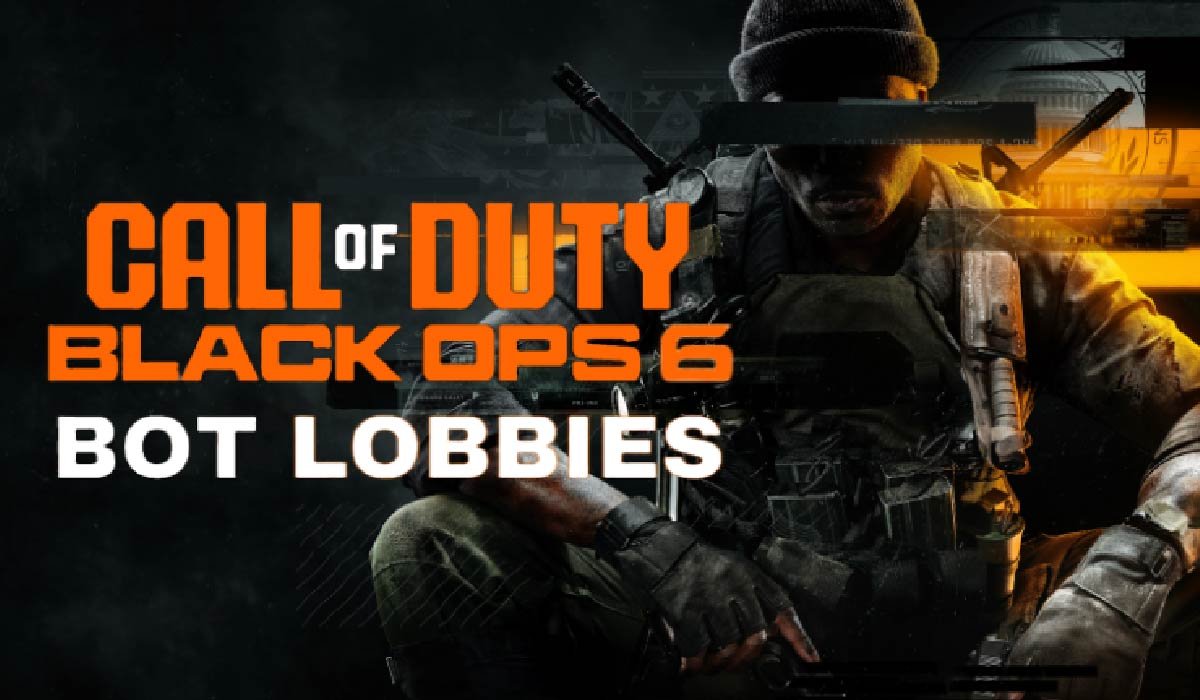
Every competitive journey begins far from cheering crowds and highlight reels. It starts in quiet sessions where mistakes are allowed and curiosity leads the way. These early environments give players space to explore mechanics, understand timing, and build confidence without pressure. The value of training before public performance is often underestimated, yet it is the foundation of consistency. Bot Lobbies, players learn how their decisions ripple across outcomes, discovering strengths and weaknesses that would be masked by chaos. Growth happens fastest when experimentation is encouraged, and preparation becomes a mindset rather than a chore.
A Safe Space to Learn Without Judgment
Learning thrives when fear is removed from the equation. Private training environments create a space where failure is not punished but welcomed as feedback. Players can miss shots, test risky strategies, and reset without feeling exposed. This freedom allows deeper learning because attention shifts from survival to understanding. Over time, patterns emerge: movement improves, aim stabilizes, and decision-making becomes deliberate. Confidence grows naturally when players know they can recover from errors. That emotional safety is a powerful teacher, turning frustration into focus and hesitation into curiosity.
Building Mechanical Consistency Through Repetition
Skill is built through repetition, but repetition only works when it is intentional. Controlled matches allow players to repeat specific actions until muscle memory forms. Reload timing, recoil control, movement routes, and camera placement become automatic through focused practice. Unlike public matches, there is no rush to adapt to unpredictable opponents. Instead, players can slow the game down and perfect fundamentals. This consistency is what separates average performance from reliable excellence. When mechanics become second nature, the mind is free to think strategically rather than react impulsively.
Understanding Game Systems at a Deeper Level
Every game is built on systems: spawns, pacing, resource flow, and map design. Training environments let players observe these systems clearly. Without distractions, it becomes easier to see how positioning influences enemy behavior or how timing affects engagement outcomes. Players begin to recognize cause and effect instead of relying on guesswork. This understanding transforms playstyle from reactive to informed. When knowledge replaces instinct alone, confidence becomes grounded. Mastery grows not from memorizing tricks, but from understanding why things work the way they do.
Experimentation Without Consequence
Innovation rarely happens under pressure. Players need room to test ideas that may fail before they succeed. Training modes encourage experimentation with loadouts, movement paths, and engagement ranges. Trying something new no longer risks frustration or lost progress. Over time, these experiments reveal unexpected advantages and personal preferences. Players discover what fits their style instead of copying others. Creativity flourishes when consequences are removed, and that creativity often becomes the edge that stands out later in competitive play.
Sharpening Decision-Making Skills
Mechanical skill alone is not enough to succeed consistently. Decision-making defines outcomes in high-level play. Controlled matches give players the chance to pause mentally and consider options. Should you push or reposition? Hold an angle or rotate early? These decisions can be practiced deliberately when the environment is predictable. With repetition, choices become faster and more accurate. Players learn to read situations instead of reacting emotionally. Strong decision-making is built quietly, long before it is tested under real pressure.
Developing Mental Discipline and Focus
Mental strength is often overlooked, yet it is critical to performance. Training environments help players practice focus without distractions. Sessions can be structured around specific goals, such as tracking accuracy or movement efficiency. This goal-oriented approach builds discipline. Players learn to stay engaged even when the challenge feels easy. That ability to maintain focus transfers directly to competitive scenarios. When pressure rises, disciplined minds stay calm. Consistent training conditions the brain to perform steadily, regardless of external noise.
Transitioning From Practice to Competition
The true value of preparation appears when players step into the spotlight. Skills developed in private sessions translate into smoother performance under pressure. Movements feel natural, decisions feel familiar, and confidence feels earned. Players are no longer overwhelmed by the pace because they have already rehearsed the fundamentals countless times. The transition becomes less about survival and more about expression. Practice does not eliminate nerves, but it provides tools to manage them. Prepared players trust their process, even when the stakes rise.
Personal Growth Beyond the Game
The lessons learned during structured practice extend beyond gaming. Patience, discipline, and resilience are developed through consistent training. Players learn to set goals, track progress, and accept setbacks as part of improvement. These habits mirror real-world skill development. The ability to focus on long-term growth instead of instant results is valuable in any pursuit. Games become a training ground not just for reflexes, but for mindset. Growth becomes intentional rather than accidental.
Why Bot Lobbies Matter More Than Ever
In modern competitive scenes, the gap between casual and high-level play continues to widen. Preparation is no longer optional; it is essential. Bot Lobbies provide an accessible entry point for players who want to improve without intimidation. They lower the barrier to learning while raising the ceiling of potential. By offering structure, safety, and clarity, they empower players to build skills deliberately. Excellence is rarely born in chaos. It is shaped quietly, through preparation, long before the spotlight ever turns on.


Buy Gmail Pva Accounts From PVAInfo: A Simple, Safe, and Smart Guide for Beginners

Boelis Framework: The Ultimate Guide to Smarter Strategic Thinking

The Science of Velocity Engineering: How to Fast-Track Your Technical Credentials This Year

The Structure and Formats of Modern Gaming Competitions

How to Manage Pet-Friendly Rentals in the UK Without Property Damage

Dado à Meaning Explained: Ultimate Easy Grammar Guide

Personalising interiors using modern printing technologies

Design Air Industrial Compressed Air Solutions in Scotland

Top Benefits of Choosing a Professional Ironing Service for Perfectly Pressed Clothes

Science Tuition Singapore Guide for Smarter Learning and Better Grades

TabooTube Explained: The Powerful Platform for Unfiltered Content

content://cz.mobilesoft.appblock.fileprovider/cache/blank.html: Explained with Powerful Insights

Scrolller Explained: The Powerful Way to Browse Reddit Images

Zavalio com Explained: The Ultimate Truth You Must Know

adswynk com: Monetize Links With Smart Ads in 2025

Deshoptec com Review: Powerful Truth About This Online Store

SSIS 469: Fixing SQL Data Errors in ETL Workflows

Milohacherry Coin Explained: The Powerful Lifestyle Crypto Rewarding Travel & Fitness

Novafork: The Best Free Streaming Site for Movies, Shows & Anime

Brandi Loge: The Inspiring Rise of a Bold Creative Leader
-
 Blog3 months ago
TabooTube Explained: The Powerful Platform for Unfiltered Content
-
 Blogs5 months ago
content://cz.mobilesoft.appblock.fileprovider/cache/blank.html: Explained with Powerful Insights
-
 Blog2 months ago
Scrolller Explained: The Powerful Way to Browse Reddit Images
-
 Blog3 months ago
Zavalio com Explained: The Ultimate Truth You Must Know