
Blog
Cumhuritey: The Inspiring Power of People’s Governance

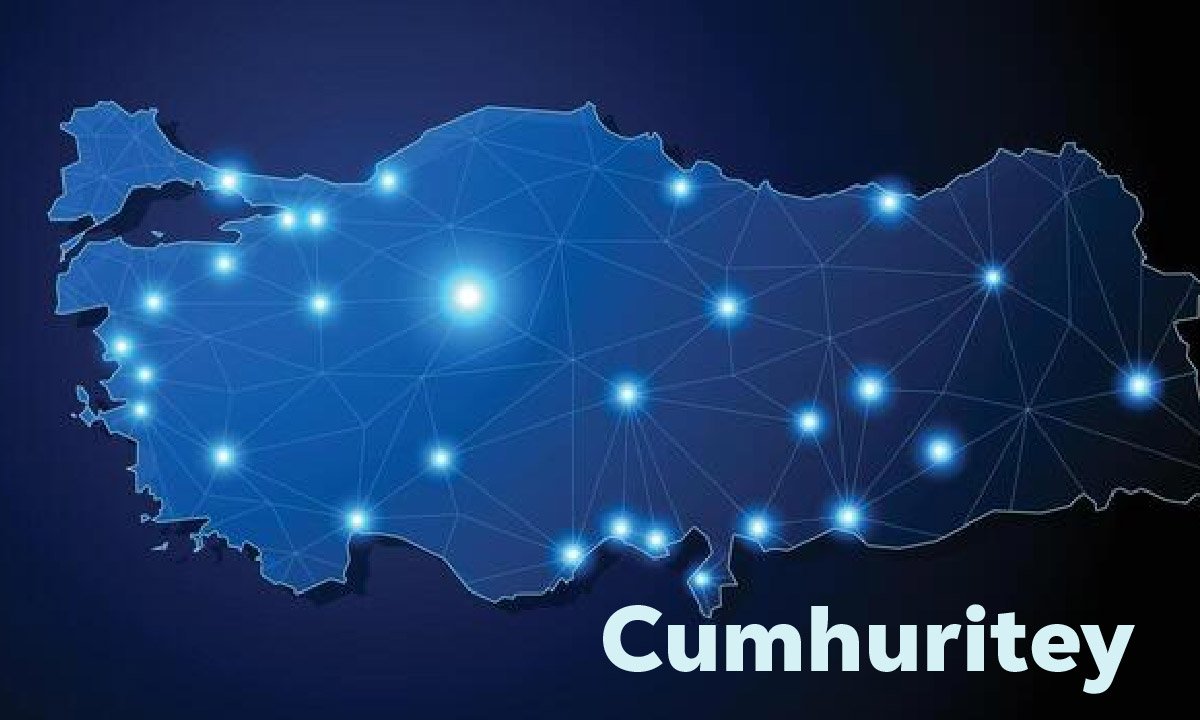
Cumhuritey is more than a word—it represents an enduring vision of democratic governance, civic participation, and social justice. Rooted in the Turkish word for “republic,” this concept goes beyond mere political structure and symbolizes a system where the people hold the ultimate power, not kings, dictators, or elites.
Originating from Turkey’s revolutionary transition in the early 20th century, Cumhuritey has evolved into a globally relevant framework for justice, equality, and modern civic life. It echoes in the values of public sovereignty, rule of law, and inclusive progress, shaping how societies operate today.
This article dives deep into the meaning and essence of Cumhuritey. We’ll explore its origins in the fall of empires, the founding of the Turkish Republic, and the transformative reforms introduced by Atatürk. You’ll learn how its core principles—democracy, secularism, equality, and civic duty—continue to influence governance worldwide.
From institutions and economic systems to education, inclusion, and real-world challenges, Cumhuritey offers a model of collective responsibility and hope. Join us in discovering how this concept continues to guide modern nations toward a just, transparent, and participatory future.
What Is Cumhuritey?
Simple Definition in Easy Language
Cumhuritey refers to a republic system where power resides with the people rather than hereditary rulers. In its simplest form, it means a government by the citizens, for the citizens—a structure where leadership is earned through elections and governed by laws, not privilege or legacy.
It’s a dynamic framework that empowers individuals to take part in shaping their communities, laws, and collective futures. What sets Cumhuritey apart is its emphasis on continuous civic engagement, not just voting once every few years. It requires an informed, active, and responsible citizenry that holds leaders accountable and contributes to public dialogue and progress.
Etymology and Cultural Roots
The term “Cumhuritey” stems from the Turkish word “Cumhuriyet,” which itself is derived from “Cumhur” meaning “the public” and the suffix “-iyet” denoting statehood or system. This formation mirrors similar expressions globally, such as the Latin “res publica,” meaning “public affair,” and reflects a shared human aspiration for governance based on common will.
It is deeply connected with cultural movements that sought to replace dynastic or religious autocracy with rational, people-led institutions. Thus, Cum huritey isn’t just a national term; it’s a universal expression of public empowerment and state accountability that aligns with the global rise of democratic ideals in the 20th century.
Why It’s More Than a Word
Cumhuritey carries philosophical weight that transcends legal frameworks. It’s not just a method of electing leaders—it’s a vision of a just and inclusive society. It encompasses values like fairness, dialogue, education, transparency, and freedom. In a Cumhuritey system, the legitimacy of governance is earned through trust and service to the people.
Leaders are temporary stewards of public will, not rulers above reproach. Institutions are designed to prevent tyranny and uphold equality. At its best, Cum huritey functions as a moral contract between citizens and their representatives, ensuring that governance remains aligned with public good and not personal gain.
Historical Evolution of Cumhuritey
The Fall of the Ottoman Empire
The seeds of Cumhuritey were planted during the dramatic collapse of the Ottoman Empire in the early 20th century. For centuries, the Ottomans ruled through centralized, imperial authority—combining monarchy and religious law. However, the empire’s decline, exacerbated by World War I and internal corruption, created a political vacuum.
Discontent among military leaders, intellectuals, and the public sparked the Turkish War of Independence (1919–1923), leading to the abolition of the sultanate and the creation of a new republic. This moment marked a radical shift: power would now be derived from citizens, not a crown, giving birth to the Cum huritey ideal.
Atatürk and the Birth of Cumhuritey
At the heart of Cumhuritey’s creation was Mustafa Kemal Atatürk, the founding father of the Republic of Turkey. His revolutionary leadership institutionalized the concept of Cum huritey through sweeping reforms. He introduced secularism by separating religion from government, enforced the rule of law, prioritized universal education, and granted women voting rights—well ahead of many Western nations.
His vision was clear: Turkey would be a modern nation where reason, equality, and civic duty defined the social contract. Atatürk’s version of Cum huritey became a powerful model for post-imperial governance, blending Eastern resilience with Western-style constitutionalism.
Global Echoes of the Cumhuritey Model
While Cumhuritey originated in Turkey, its essence resonates across borders. Countries like Iceland, which held citizen-led assemblies to rewrite its constitution, and Switzerland, with its direct democracy via referendums, echo Cum huritey’s emphasis on public sovereignty.
Post-colonial democracies in Asia, Africa, and Latin America have also looked to similar models to shape inclusive republics. In many ways, Cum huritey aligns with the global movement toward decentralization, civil rights, and people-powered governance. Its principles have universal relevance: ensuring that institutions serve the public, not private elites.
Core Principles and Values of Cumhuritey
Public Sovereignty and Popular Rule
One of the foundational pillars of Cumhuritey is public sovereignty—the belief that power lies with the people. Every citizen is a stakeholder in the nation’s future. Leadership is not passed down by bloodline but chosen through elections. This gives legitimacy to governance and encourages participation from all social strata. The state is accountable to its people, not the other way around.
Democracy and Pluralism
Cumhuritey upholds democratic pluralism. It values not just majority rule, but the protection of minority voices. Diverse political parties, independent media, and civil society groups flourish under this system. Policies are created through negotiation and dialogue, ensuring that no single ideology dominates unilaterally.
Secularism and Religious Freedom
A key reform under Atatürk was secularism—the formal separation of religion from state affairs. Cum huritey ensures that laws and policies are based on rational, inclusive principles, not religious doctrine. At the same time, it respects the freedom of individuals to practice (or not practice) religion, fostering a society of tolerance.
Equality and Social Justice
Under Cumhuritey, all citizens are equal before the law. Systems are designed to reduce social inequality through public education, healthcare, and economic opportunity. Discrimination based on ethnicity, gender, or religion is actively discouraged. Social justice isn’t a side issue—it’s core to national stability.
Rule of Law and Legal Accountability
Laws in Cumhuritey apply to everyone, from the highest official to the average citizen. Courts operate independently of politics, ensuring that justice is free from corruption or bias. This rule of law ensures predictability, fairness, and long-term trust in public institutions.
Active Citizenship and Civic Duty
Citizens are not passive observers—they are expected to engage actively with civic life. Beyond voting, Cum huritey encourages participation in local councils, town halls, community organizing, and public dialogue. This creates a robust civic culture where informed debate and action are daily practices.
How Cumhuritey Shapes Governance Today
Institutional Design
Cumhuritey governance features separation of powers: the executive (President or Prime Minister), legislative (Parliament), and judiciary (courts) operate independently. This structure prevents concentration of power and fosters healthy checks and balances. It promotes institutional stability and functional governance.
Elections and Political Representation
Elections under Cumhuritey are free, fair, and competitive. Citizens choose their leaders through transparent voting systems. Proportional representation ensures that even smaller voices have a seat in legislative chambers. This diversity leads to better laws and more representative governance.
Transparency and Accountability
To function properly, Cumhuritey demands government transparency. Freedom of information, investigative journalism, and public audits are critical. Leaders must disclose assets, face public scrutiny, and step down if they betray public trust. This system builds civic confidence and institutional integrity.
Cumhuritey and Social Development
Education and Civic Literacy
Cumhuritey invests heavily in universal education. From an early age, citizens are taught civic responsibility, history, and democratic principles. This literacy fosters critical thinking, tolerance, and active engagement in public life. A well-educated population is the backbone of a successful republic.
Healthcare and Welfare
A functioning Cumhuritey aims to provide universal access to healthcare and social services. Welfare systems are designed to support the vulnerable, ensuring no citizen is left behind. This builds social cohesion and reduces the burden on emergency state systems.
Gender Equality and Minority Rights
Progressive policies within Cumhuritey focus on gender equity, minority inclusion, and disability rights. Women are encouraged to take on leadership roles. Discrimination laws protect marginalized groups. These policies enrich the social fabric and bring more voices into the national conversation.
Economic Impact of Cumhuritey
Entrepreneurship and Innovation
A healthy republic encourages open markets and innovation. Cum huritey systems often support startups, offer business incentives, and protect intellectual property. Economic freedom paired with social protections creates a fertile ground for innovation and job creation.
Inclusive Development
Economic strategies within Cum huritey aim for balanced development. Investments in rural infrastructure, job training, and community-led enterprises ensure that growth is inclusive—not just concentrated in cities or among elites.
Environmental Sustainability
Cumhuritey also embraces green governance. Policies support sustainable agriculture, renewable energy, and environmental education. Protecting the environment becomes a shared responsibility between state and citizen.
Challenges Facing Cumhuritey in the Modern Era
Political Polarization
One of the biggest challenges today is increasing ideological division. While Cumhuritey thrives on pluralism, extreme polarization can weaken democratic institutions, stall reforms, and erode public trust.
Digital Misinformation
The rise of fake news and disinformation threatens informed decision-making. Cum huritey must adapt with digital literacy programs, platform regulation, and truth-based journalism to uphold public awareness.
Threats to Judicial Independence
In some systems, political interference undermines judicial neutrality. Cum huritey must vigilantly protect court independence to ensure justice remains impartial and fair.
Inequality and Marginalization
Despite strong principles, gaps in wealth, representation, and access persist. Continued efforts are needed to close these gaps and deliver on Cumhuritey’s promises for all.
Real-World Examples of Cumhuritey Principles
Sweden — Equality and Welfare
Sweden exemplifies social democracy aligned with Cumhuritey principles: strong public services, gender equality, and rule of law.
South Korea — Innovation and Freedom
With democratic governance and market dynamism, South Korea demonstrates how liberty and growth can go hand-in-hand.
New Zealand — Justice and Inclusivity
New Zealand emphasizes indigenous rights, environmental law, and public transparency—an inclusive, ethical model.
How to Promote Cumhuritey in Daily Life
Learn Your Rights and Laws
Understanding your constitutional rights and responsibilities is the first step toward becoming an engaged citizen.
Vote and Participate in Dialogue
Join elections, attend civic meetings, and use your voice to shape decisions that affect your life.
Support Fair and Transparent Leadership
Hold officials accountable. Demand transparency, and reward ethical governance.
Use Digital Tools Responsibly
Be mindful of misinformation. Verify sources and engage in respectful, fact-based discourse.
Stand for Inclusion
Champion the rights of marginalized communities. Justice for one is justice for all.
Cumhuritey vs. Other Government Systems
Cumhuritey vs. Monarchy
Cum huritey is based on people’s sovereignty, while monarchy depends on inherited rule.
Cumhuritey vs. Autocracy
Cum huritey thrives on dialogue and debate. Autocracy silences dissent and concentrates power.
Cumhuritey vs. Direct Democracy
Cumhuritey uses representative democracy, balancing practicality with participation, unlike direct systems that may overwhelm governance with constant referendums.
The Future of Cum huritey
Digital Governance and e-Participation
Cumhuritey can evolve by embracing e-governance, online voting, and real-time citizen feedback platforms.
Global Influence and Diplomacy
The model is gaining traction as soft power—inspiring reforms in transitional democracies and international institutions.
Youth and the Next Generation
Future success depends on educating youth about their rights, roles, and power in a functioning republic.
Final Words
Cumhuritey stands as a timeless blueprint for building fair, responsive, and inclusive societies. It’s more than a form of government—it’s a living, evolving ideal grounded in the belief that all people deserve dignity, voice, and opportunity. By staying true to its core principles and adapting to modern realities, Cum huritey has the power to shape not only one nation—but the world.
FAQs About Cumhuritey
Q1: What is Cumhuritey in simple words?
Cumhuritey means a republic system where the people have the power to choose their leaders and influence government decisions. It focuses on democracy, fairness, and equal rights for all citizens.
Q2: Where did the concept of Cum huritey come from?
Cumhuritey originated from Turkey in 1923 when the Ottoman Empire ended and a modern republic was created. It was strongly shaped by reforms that promoted democracy, education, and equality.
Q3: Why is Cumhuritey important in modern society?
Cumhuritey is important because it protects citizens’ rights, promotes public participation, and helps create fair laws. It ensures that governments work for the people instead of ruling over them.
Q4: What are the main values of Cumhuritey?
The main values of Cum huritey include democracy, equality, justice, secularism, rule of law, and active citizenship. These values help societies stay balanced, fair, and progressive.
Q5: How can ordinary people support Cumhuritey?
People can support Cumhuritey by voting, staying informed about public issues, respecting laws, participating in community discussions, and promoting equality and fairness in everyday life.
For More Information, Visit Hopestech

Evaluating a Fast Turn PCB Partner for High-Frequency Applications

Why Roaming Can Be a Problem Abroad and How an eSIM Can Help

Do You Really Need a Watch Winder for Your Automatic Watch?

Why Sportswear Is No Longer Limited to Athletes

The Name Necklace Trend Is Back, But More Grown-Up

A Clearer Route to Reliable professional drain clearance and CCTV inspection

Is The High Street Bank Losing Its Grip On UK Business Loans?

How Engineering Firms Are Using Technology to Deliver Faster Projects

Why Elasticated Waists Have Stopped Being the Thing Nobody Admits They Own

Magnific for Enterprise: How Global Brands Are Using AI Creative Production at Scale

TabooTube Explained: The Powerful Platform for Unfiltered Content

SSIS 469: Fixing SQL Data Errors in ETL Workflows

content://cz.mobilesoft.appblock.fileprovider/cache/blank.html: Explained with Powerful Insights

Scrolller Explained: The Powerful Way to Browse Reddit Images

Zavalio com Explained: The Ultimate Truth You Must Know

adswynk com: Monetize Links With Smart Ads in 2025

Deshoptec com Review: Powerful Truth About This Online Store

kz43x9nnjm65: The Smart Code Transforming Digital Technology

Novafork: The Best Free Streaming Site for Movies, Shows & Anime

Milohacherry Coin Explained: The Powerful Lifestyle Crypto Rewarding Travel & Fitness
-
 Blog9 months ago
TabooTube Explained: The Powerful Platform for Unfiltered Content
-
 Blog11 months ago
SSIS 469: Fixing SQL Data Errors in ETL Workflows
-
 Blogs1 year ago
content://cz.mobilesoft.appblock.fileprovider/cache/blank.html: Explained with Powerful Insights
-
 Blog9 months ago
Scrolller Explained: The Powerful Way to Browse Reddit Images