
Business
Employee Offboarding: How a Structured Exit Process Protects Your Business and Strengthens Long-Term Relationships

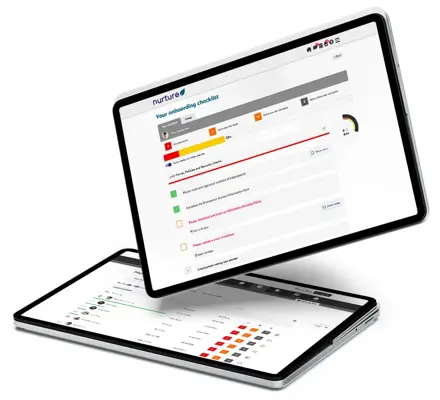
When an employee leaves an organisation, the experience shouldn’t end with collecting company equipment and disabling user accounts. A professional offboarding process protects business assets, preserves valuable knowledge, ensures legal compliance, and leaves departing employees with a positive impression of the organisation. In many cases, today’s departing employee may become tomorrow’s customer, referral partner, or even a future rehire.
As businesses continue to digitise HR operations, many are replacing manual checklists and spreadsheets with employee offboarding software that automates exit tasks, secures company data, manages documentation, schedules exit interviews, and ensures every department completes its responsibilities before an employee’s final day.
An organised offboarding strategy benefits everyone involved. HR teams reduce administrative work, managers experience smoother transitions, IT departments maintain security, and departing employees leave feeling respected rather than overlooked.
Quick Answer: What Is Employee Offboarding?
Employee offboarding is the structured process of managing an employee’s departure from an organisation.
A complete offboarding process usually includes:
| Stage | Purpose |
| Resignation or termination | Confirm employment end date |
| Knowledge transfer | Preserve important information |
| Equipment collection | Recover company assets |
| System access removal | Protect business security |
| Exit interview | Gather employee feedback |
| Final payroll | Complete financial obligations |
| Compliance checks | Meet legal requirements |
| Alumni engagement | Maintain future relationships |
A consistent process reduces risks while creating a more professional employee experience.
Why Employee Offboarding Matters
Many organisations devote significant attention to hiring but spend very little time planning employee departures.
Poor offboarding can create problems such as:
- Security risks
- Lost knowledge
- Incomplete documentation
- Delayed equipment returns
- Poor employer reputation
- Compliance issues
- Negative employee experiences
A well-managed exit process protects both the organisation and the departing employee.
Common Reasons Employees Leave
Employees leave organisations for many reasons.
Examples include:
- Career advancement
- Retirement
- Relocation
- Personal reasons
- Organisational restructuring
- Higher education
- Better opportunities
- Family commitments
Regardless of the reason, every departure deserves a professional and respectful process.
The Employee Offboarding Journey
An effective offboarding program follows a structured sequence.
Employment Confirmation
The process begins by confirming:
- Final working day
- Notice period
- Remaining responsibilities
- Handover expectations
Clear communication reduces misunderstandings.
Knowledge Transfer
Employees often possess valuable knowledge that should remain within the organisation.
Knowledge transfer may include:
- Project documentation
- Client information
- Process guides
- Training materials
- Team briefings
- System documentation
Capturing this information reduces disruption after the employee leaves.
Equipment Recovery
Companies should ensure all organisational assets are returned.
Typical items include:
- Laptops
- Mobile phones
- Access cards
- Security tokens
- Company vehicles
- Documents
- Uniforms
A structured checklist helps prevent missing equipment.
Access Management
Protecting company information requires timely removal of access.
Departments often coordinate to disable:
- Email accounts
- Internal systems
- Cloud storage
- VPN access
- Collaboration platforms
- Building access
- Shared databases
Removing access promptly reduces security risks.
Exit Interviews
Exit interviews provide valuable feedback about the employee experience.
Common discussion topics include:
- Workplace culture
- Leadership
- Training
- Career development
- Communication
- Compensation
- Suggestions for improvement
Honest feedback helps organisations strengthen retention strategies.
Final Payroll and Benefits
HR teams must ensure all financial obligations are completed accurately.
This may include:
- Final salary
- Outstanding expenses
- Holiday pay
- Bonuses
- Pension information
- Benefit updates
Completing these tasks promptly demonstrates professionalism.
Legal and Compliance Responsibilities
Every organisation must ensure legal obligations are met.
This often includes:
- Confidentiality agreements
- Data protection requirements
- Record retention
- Employment documentation
- Regulatory compliance
- Contractual obligations
Consistent processes reduce legal risk.
Why Digital Offboarding Is Becoming Essential
Manual offboarding often relies on email reminders and spreadsheets.
Digital systems allow organisations to:
- Automate workflows
- Assign departmental tasks
- Track completion
- Store documentation
- Generate reports
- Improve accountability
Automation reduces the possibility of overlooked responsibilities.
Features to Look for in Offboarding Software
Modern offboarding solutions commonly include:
- Workflow automation
- Task checklists
- Asset tracking
- Document management
- Exit surveys
- Approval workflows
- HR integrations
- Audit reporting
- Compliance monitoring
Selecting software that integrates with existing HR systems simplifies administration.
Protecting Business Knowledge
One of the greatest risks during employee departures is losing institutional knowledge.
Organisations should encourage employees to document:
- Standard operating procedures
- Client relationships
- Technical knowledge
- Project status
- Internal contacts
- Ongoing priorities
Knowledge preservation supports business continuity.
Supporting Remaining Employees
When someone leaves, remaining team members may experience uncertainty.
Managers should:
- Communicate clearly
- Reassign responsibilities
- Introduce replacements
- Maintain morale
- Encourage collaboration
Transparent communication reduces unnecessary disruption.
Maintaining Positive Relationships
Not every departing employee is leaving permanently.
Many organisations successfully rehire former employees because they left on good terms.
Maintaining professional relationships creates opportunities for:
- Future recruitment
- Business partnerships
- Customer referrals
- Industry networking
- Employer advocacy
A respectful departure benefits everyone.
Building an Employee Alumni Network
Forward-thinking organisations continue engaging former employees long after they leave.
Benefits include:
- Professional networking
- Industry collaboration
- Recruitment opportunities
- Referral programs
- Knowledge sharing
- Brand advocacy
Former employees often become valuable ambassadors for the organisation.
Measuring Offboarding Success
Organisations should monitor key performance indicators.
Useful metrics include:
| Metric | Purpose |
| Asset recovery rate | Measures equipment return |
| Exit interview completion | Tracks employee feedback |
| Access removal time | Evaluates security |
| Compliance completion | Confirms legal requirements |
| Knowledge transfer completion | Measures continuity |
| Alumni engagement | Tracks long-term relationships |
Regular measurement helps improve future offboarding processes.
Common Offboarding Mistakes
Many businesses overlook important details.
Common mistakes include:
- Delayed account deactivation
- Poor communication
- Missing documentation
- Incomplete handovers
- No exit interviews
- Lost equipment
- Ignoring alumni relationships
Standardised workflows reduce these risks.
Best Practices for Successful Offboarding
Effective organisations typically:
- Create standard checklists
- Automate repetitive tasks
- Involve multiple departments
- Conduct exit interviews
- Complete knowledge transfer
- Recover company assets
- Maintain respectful communication
- Preserve professional relationships
Consistency improves both security and employee experience.
The Role of HR Managers
HR professionals coordinate every stage of the departure process.
Responsibilities often include:
- Documentation
- Payroll coordination
- Compliance monitoring
- Exit interviews
- Benefits administration
- Communication
- Reporting
Technology allows HR teams to spend more time supporting people rather than managing paperwork.
Why Technology Is Improving Employee Offboarding
Modern HR departments increasingly rely on automated solutions to simplify complex departure workflows. By combining compliance management, task automation, document storage, asset tracking, and communication into one system, alumni management software also helps organisations maintain long-term relationships with former employees, creating opportunities for networking, rehiring, referrals, and continued professional engagement.
Frequently Asked Questions
What is employee offboarding?
Employee offboarding is the structured process of managing an employee’s departure while protecting company assets, ensuring compliance, completing documentation, and supporting a smooth transition.
Why is offboarding important?
It protects company information, preserves knowledge, ensures legal compliance, improves security, and leaves employees with a positive final impression.
What happens during offboarding?
Typical activities include knowledge transfer, equipment return, account deactivation, exit interviews, payroll completion, documentation, and compliance checks.
How does offboarding software help HR teams?
It automates workflows, assigns tasks, tracks progress, manages documentation, improves compliance, and reduces manual administration.
What is an employee alumni program?
An alumni program helps organisations maintain professional relationships with former employees for networking, referrals, rehiring opportunities, and brand advocacy.
Who is responsible for offboarding?
HR teams coordinate the overall process while managers, IT departments, payroll teams, and facilities staff complete their assigned responsibilities.
How can organisations improve their offboarding process?
Create standardised workflows, automate repetitive tasks, conduct meaningful exit interviews, complete knowledge transfer, recover company assets promptly, and continue engaging former employees through structured alumni programs.

Evaluating a Fast Turn PCB Partner for High-Frequency Applications

Why Roaming Can Be a Problem Abroad and How an eSIM Can Help

Do You Really Need a Watch Winder for Your Automatic Watch?

Why Sportswear Is No Longer Limited to Athletes

The Name Necklace Trend Is Back, But More Grown-Up

A Clearer Route to Reliable professional drain clearance and CCTV inspection

Is The High Street Bank Losing Its Grip On UK Business Loans?

How Engineering Firms Are Using Technology to Deliver Faster Projects

Why Elasticated Waists Have Stopped Being the Thing Nobody Admits They Own

Magnific for Enterprise: How Global Brands Are Using AI Creative Production at Scale

TabooTube Explained: The Powerful Platform for Unfiltered Content

SSIS 469: Fixing SQL Data Errors in ETL Workflows

content://cz.mobilesoft.appblock.fileprovider/cache/blank.html: Explained with Powerful Insights

Scrolller Explained: The Powerful Way to Browse Reddit Images

Zavalio com Explained: The Ultimate Truth You Must Know

adswynk com: Monetize Links With Smart Ads in 2025

Deshoptec com Review: Powerful Truth About This Online Store

kz43x9nnjm65: The Smart Code Transforming Digital Technology

Novafork: The Best Free Streaming Site for Movies, Shows & Anime

Milohacherry Coin Explained: The Powerful Lifestyle Crypto Rewarding Travel & Fitness
-
 Blog10 months ago
TabooTube Explained: The Powerful Platform for Unfiltered Content
-
 Blog11 months ago
SSIS 469: Fixing SQL Data Errors in ETL Workflows
-
 Blogs1 year ago
content://cz.mobilesoft.appblock.fileprovider/cache/blank.html: Explained with Powerful Insights
-
 Blog9 months ago
Scrolller Explained: The Powerful Way to Browse Reddit Images