
Business
Locked Out of Your House? Safe Steps to Take Before You Call a Locksmith

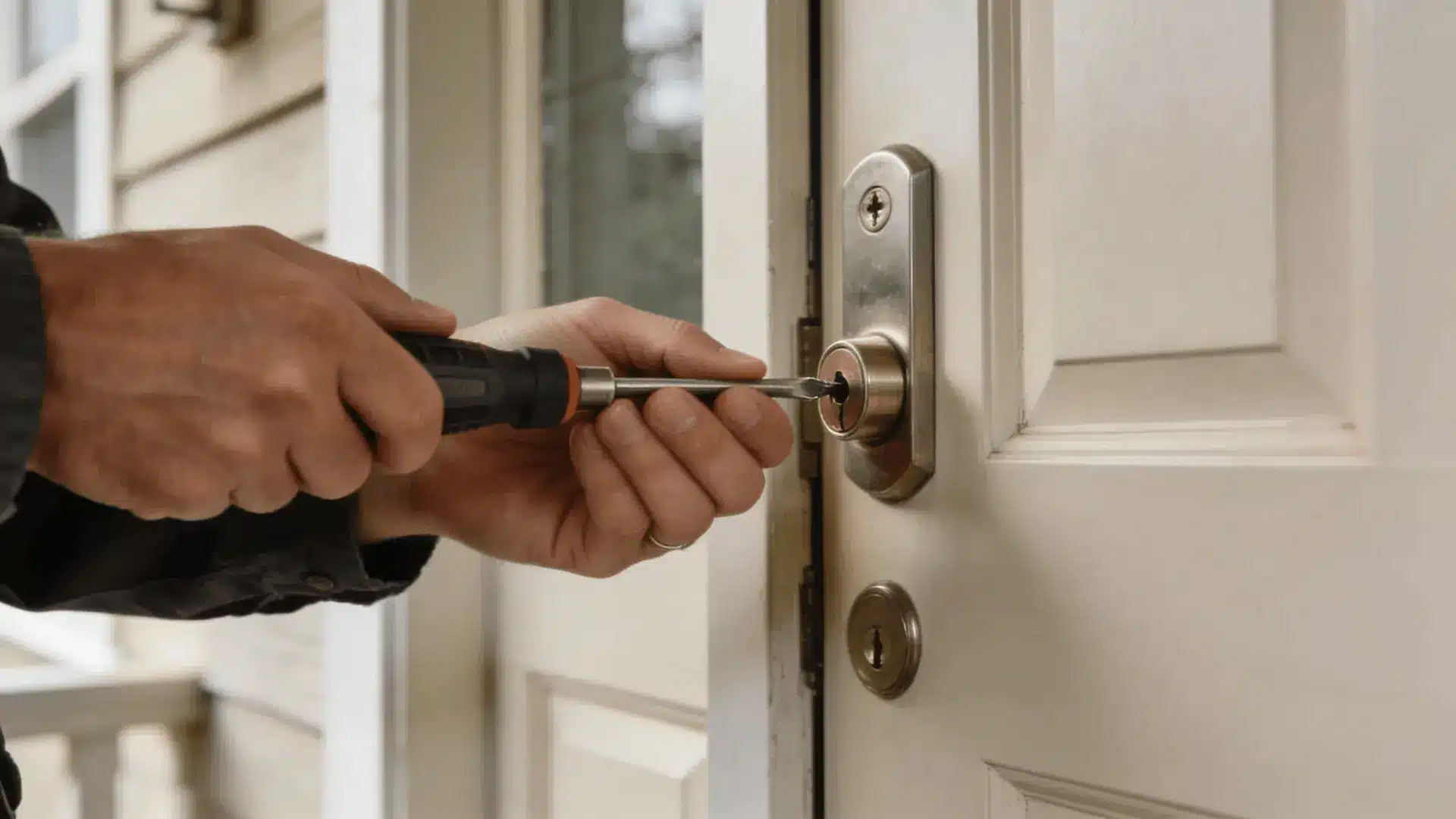
Being locked out turns ordinary decisions into hurried ones. Before you call anyone, take two calm minutes to check whether the situation can be solved safely without a locksmith. That does not mean climbing, forcing or damaging anything. It means ruling out the simple options so the call you make is the right one.
For a practical benchmark, experts at LocksmithLocal recommend starting with the least destructive and most secure route, not the most expensive one. Their locksmiths are trained through MPL Locksmith Training to City & Guilds accredited and NCFE-certified standards, and that mix of formal training, DBS checks and clear pricing is the sort of professional standard readers should look for.
Why this service matters
A lockout is stressful because it removes control. You may be cold, late for work, holding children or pets, or standing outside with a phone battery dropping. The useful question is not simply how quickly the door can be opened, but whether it can be opened without avoidable damage and whether the reason for the lockout creates a security risk afterwards.
Most lockouts fall into three groups: keys left inside, keys lost away from the property, and lock failure. Each needs a different decision. Keys on the hall table usually call for non-destructive entry. Lost keys with an address tag or bag may justify a cylinder change. A failed mechanism needs repair so the door does not leave you locked out again the next day.
The reason for the lockout changes the right fix. Keys on the inside of a night latch usually call for non-destructive opening. Keys lost in a park with no address may only require entry and a spare key plan. Keys stolen with a handbag, wallet or driving licence create a security problem and may need a lock change in the same visit.
First checks before you book
Before booking anyone, make the situation safer and gather the information that will help the locksmith arrive prepared. The right preparation reduces delay, avoids unnecessary damage and gives you a clearer conversation about price and method.
- Check every safe door, including back, side, garage-linked and patio entrances.
- Think who holds a spare: partner, family member, neighbour, landlord or letting agent.
- Look through windows to confirm whether the keys are visible inside or genuinely lost.
- Avoid climbing, forcing letter plates, pushing windows or using online lock-picking tricks.
- Move to a safe, warm and well-lit place while you call for help.
- Prepare ID or proof of address for after entry.
How a professional locksmith approaches the job
The best locked-out service is calm, methodical and security-minded. The locksmith should confirm you are entitled to enter, try non-destructive methods first, explain any exception and leave the property secure rather than merely open.
- The locksmith confirms the lock type and asks what happened to the keys.
- They verify your right to enter and attempt non-destructive methods first.
- After entry, they advise whether the lock can stay, needs adjustment or should be changed for security reasons.
The best technicians also test their own work under realistic conditions. A door should not be declared fixed only because the lock turns once while the door is open. It should be checked as the customer will use it: closed, opened, locked, unlocked and, where relevant, tested with every new key or access method.
Benefits of getting the right repair
The benefit of a trained locksmith is not limited to speed. It is the ability to solve the cause of the fault, protect the surrounding door or window, and leave the customer with a result that will keep working after the van has gone.
- You avoid avoidable call-out expense if a spare key is available.
- The door is opened without unnecessary damage where possible.
- Compromised keys are dealt with immediately rather than ignored.
- You learn how to reduce the chance of another lockout.
The cheapest lockout is usually one solved without drilling and without unnecessary parts. Price rises when a lock has failed internally, a high-security cylinder resists opening, keys have been compromised, or the job is out of hours. A clear fixed price and a repair-first mindset keep the bill proportionate.
Useful questions to ask before work starts
A helpful way to judge the service around locked out of your house? safe steps to take before you call a locksmith is to listen to how clearly the locksmith explains the route from diagnosis to repair. The answer should include access checks, likely parts, whether repair is realistic, how damage will be avoided, and whether any security upgrade is optional rather than automatic. This also gives you something to compare if you speak to more than one company: the most professional answer is usually specific, calm and transparent, not a pressure sale.
- Can the fault be diagnosed before drilling or replacing parts?
- Which part is actually failing and which parts are still serviceable?
- Will the price be confirmed before work starts?
- Will the completed lock, door or window be tested from both sides where possible?
- Are the replacement parts suitable for the property type and security expectation?
Common mistakes to avoid
Most expensive locksmith problems start with a small mistake: waiting too long, forcing a part, accepting a vague quote or treating every symptom as if it has the same cause. Avoiding those mistakes protects both the property and the budget.
- Breaking a window when a clean entry would cost less than glazing.
- Putting glue, wire or improvised tools into the keyway.
- Assuming you do not need a lock change when keys were stolen with address details.
- Calling a vague national advert instead of a named locksmith with a clear price.
Choosing an accredited locksmith
Because locksmithing in the UK is not licensed in the same way as gas or electrical work, evidence of training matters. A useful benchmark is formal, assessed training such as City & Guilds accreditation and NCFE certification, supported by DBS checks and insurance. A trade-body logo or directory listing can be a helpful signal, but it should not be confused with independent qualification and practical competence.
For customers, the practical signs are straightforward: a named person, clear identification, proof checks before entry, a fixed price before work starts, an explanation of the method, and a willingness to repair where repair is the better answer. Those signs matter more than a rushed promise to be cheap or fast.
Quick questions answered
Should I call my landlord first?
If you rent and can reach the landlord or agent quickly, yes. They may hold a spare. If you cannot reach them or the lock has failed, a locksmith can still help once your right to occupy is confirmed.
Can most doors be opened without damage?
Many standard domestic doors can be opened without damage by a trained locksmith. Failed locks and some high-security cylinders are exceptions.
Should I change the locks after a lockout?
Only when keys are lost or compromised, the lock has failed, or you have recently moved in and cannot account for all copies.
Final thought
The safest response to a lockout is calm and practical: check spares, avoid damage, confirm whether keys are lost or merely inside, then call a qualified locksmith who prioritises clean entry.

Evaluating a Fast Turn PCB Partner for High-Frequency Applications

Why Roaming Can Be a Problem Abroad and How an eSIM Can Help

Do You Really Need a Watch Winder for Your Automatic Watch?

Why Sportswear Is No Longer Limited to Athletes

The Name Necklace Trend Is Back, But More Grown-Up

A Clearer Route to Reliable professional drain clearance and CCTV inspection

Is The High Street Bank Losing Its Grip On UK Business Loans?

How Engineering Firms Are Using Technology to Deliver Faster Projects

Why Elasticated Waists Have Stopped Being the Thing Nobody Admits They Own

Magnific for Enterprise: How Global Brands Are Using AI Creative Production at Scale

TabooTube Explained: The Powerful Platform for Unfiltered Content

SSIS 469: Fixing SQL Data Errors in ETL Workflows

content://cz.mobilesoft.appblock.fileprovider/cache/blank.html: Explained with Powerful Insights

Scrolller Explained: The Powerful Way to Browse Reddit Images

Zavalio com Explained: The Ultimate Truth You Must Know

adswynk com: Monetize Links With Smart Ads in 2025

Deshoptec com Review: Powerful Truth About This Online Store

kz43x9nnjm65: The Smart Code Transforming Digital Technology

Novafork: The Best Free Streaming Site for Movies, Shows & Anime

Milohacherry Coin Explained: The Powerful Lifestyle Crypto Rewarding Travel & Fitness
-
 Blog10 months ago
TabooTube Explained: The Powerful Platform for Unfiltered Content
-
 Blog11 months ago
SSIS 469: Fixing SQL Data Errors in ETL Workflows
-
 Blogs1 year ago
content://cz.mobilesoft.appblock.fileprovider/cache/blank.html: Explained with Powerful Insights
-
 Blog9 months ago
Scrolller Explained: The Powerful Way to Browse Reddit Images