
Technology
From Rockets to Revenue: Exploring the Financial Trajectory of SpaceX

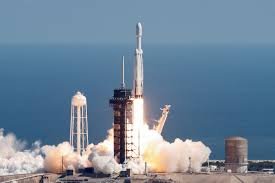
SpaceX has transformed the aerospace industry, combining technological innovation with ambitious commercial goals. Founded by Elon Musk, the company has redefined space travel, satellite deployment, and private space exploration. Beyond launching rockets, SpaceX’s financial growth has become a topic of interest for investors, analysts, and enthusiasts alike. With each successful launch, contract, and partnership, the company’s valuation and investor interest continue to rise.
Understanding SpaceX’s financial trajectory requires examining revenue streams, funding strategies, and market positioning. As the company expands into satellite internet, commercial launches, and government contracts, monitoring metrics such as the SpaceX stock price helps stakeholders gauge the company’s market performance and growth potential. Financial insight allows investors to assess risk, opportunity, and long-term profitability in this high-stakes industry.
SpaceX Stock Price Trends: Gauging Market Sentiment
The performance of SpaceX’s stock price provides insights into investor confidence, perceived value, and the company’s market trajectory. Although not publicly traded, financial analysis often relies on private funding rounds, valuations, and secondary-market activity to approximate market sentiment. Tracking historical valuation trends helps predict future investment opportunities.
- Valuation Growth Through Funding Rounds
SpaceX has consistently raised capital through private funding rounds, increasing its valuation. Each round influences the perceived value of SpaceX’s stock, signaling investor confidence in its long-term prospects and reinforcing the company’s credibility in private markets. - Impact of Successful Rocket Launches
Each mission success, from Falcon 9 to Starship, demonstrates operational reliability. Successful launches boost investor trust, which, in turn, indirectly affects secondary-market valuations of SpaceX shares. - Contracts and Commercial Partnerships
Agreements with NASA, commercial satellite operators, and government defense agencies enhance revenue predictability. These long-term partnerships positively influence SpaceX’s stock price and help secure financial stability. - Secondary Market Dynamics
Secondary markets for SpaceX shares provide liquidity for early investors. High demand in these markets is an indicator of confidence and drives up perceived market value. - Investor Expectations and Future Projects
The anticipation of projects like Mars colonization and Starlink expansion influences investor sentiment. Positive outlooks for these initiatives directly affect private market valuations. - External Market Conditions
Macroeconomic shifts, aerospace trends, and global regulations affect investor perception. Understanding these factors is crucial for assessing SpaceX’s stock price trends and predicting future performance.
Revenue Streams Driving SpaceX Valuation
SpaceX’s diverse revenue model underpins its financial trajectory. From satellite deployment to government contracts, understanding these streams helps contextualize changes in valuation and growth projections.
- Government and Defense Contracts
NASA missions, military launches, and defense agreements form the backbone of SpaceX’s predictable revenue. Securing multi-year contracts ensures financial stability and investor confidence. - Commercial Satellite Launches
Private satellite operators increasingly rely on SpaceX for cost-effective launches. Growth in the commercial space sector directly contributes to the company’s revenue base. - Starlink Internet Services
Starlink provides global broadband connectivity. Subscription-based recurring revenue helps balance project costs and supports a sustainable valuation model. - Merchandising and Licensing
Branded merchandise and licensing deals, while smaller, contribute incremental revenue and enhance public visibility. A strong brand presence indirectly enhances financial valuation. - Innovative Space Missions
Tourist flights and private missions create high-margin revenue opportunities. These unique services diversify income and improve investor perception of long-term growth. - Reusability of Rockets
Rocket reuse reduces operational costs and increases profitability per mission. This technological edge directly impacts SpaceX’s financial sustainability.
Future Prospects and Financial Outlook
As SpaceX continues to innovate, the future trajectory of SpaceX’s stock price will depend on technological achievements, revenue diversification, and market expansion. Strategic planning and execution of new projects will shape investor expectations.
- Expansion of Starlink Services
Global rollout of Starlink broadband ensures recurring revenue. Expanding into untapped markets strengthens financial prospects and long-term valuation. - Mars Colonization Goals
Long-term missions to Mars, while ambitious, attract investor attention. Successful milestones could elevate valuation and broaden commercial opportunities. - New Commercial Partnerships
Partnerships with defense, telecommunications, and private enterprises diversify revenue streams, reduce dependence on single sectors, and enhance financial resilience. - Technological Innovations
Advances in reusable rockets, energy-efficient engines, and automated mission management cut costs and increased profitability potential, supporting strong valuation trends. - Global Aerospace Market Trends
The growing demand for satellite connectivity and commercial launches positions SpaceX advantageously, reinforcing revenue streams and investor confidence. - Private Market Investment Interest
Ongoing private market demand sustains liquidity and enhances secondary valuations, which serve as a proxy for SpaceX’s stock price in the absence of public trading.
Investor Strategies and Market Risks
Investing in SpaceX involves both exciting opportunities and inherent risks. Understanding these dynamics can help investors make informed decisions regarding private equity stakes, secondary markets, and long-term exposure.
- Diversification Across Aerospace Ventures
Investors can manage risk by diversifying across aerospace startups, commercial satellites, and private space exploration ventures, including SpaceX participation. - Secondary Market Liquidity
Liquidity in private secondary markets allows investors to monetize shares. Understanding transaction mechanics is essential to evaluating potential gains and risk exposure. - Risk Assessment and Mitigation
Technical failures, regulatory hurdles, or market competition can affect financial performance. Investors should evaluate operational risk before committing capital. - Long-Term Horizon Planning
SpaceX projects, such as Mars missions or Starlink expansion, may take years to generate revenue. Strategic investors focus on long-term returns rather than short-term gains. - Regulatory and Geopolitical Factors
International space policies, export controls, and geopolitical events influence contract opportunities and financial performance, affecting investor valuation projections. - Portfolio Integration
Incorporating SpaceX into a diversified investment portfolio balances high-growth potential against aerospace-specific risks, ensuring sustainable wealth management.
Conclusion
SpaceX’s financial journey illustrates how technological innovation, strategic contracts, and ambitious projects drive market perception and valuation. Monitoring SpaceX stock price trends, even in private markets, provides investors and analysts with valuable insight into market sentiment, growth potential, and long-term stability. The company’s diverse revenue streams — from government contracts and commercial satellite launches to Starlink broadband services — demonstrate its ability to generate consistent returns while entering new markets.
By continuously optimizing operations, pursuing cutting-edge technologies, and exploring visionary initiatives such as Mars colonization, SpaceX reinforces its leadership in the aerospace sector. Its financial outlook remains closely linked to innovation, commercial expansion, and global aerospace trends, making SpaceX one of the most influential and closely watched private companies worldwide. Tracking its SpaceX stock price provides a window into how the market values its ambitious growth trajectory.

From Rockets to Revenue: Exploring the Financial Trajectory of SpaceX

Design Air Industrial Compressed Air Solutions in Scotland

Top Benefits of Choosing a Professional Ironing Service for Perfectly Pressed Clothes

Science Tuition Singapore Guide for Smarter Learning and Better Grades

Rádiem Meaning Explained: The Powerful Grammar Secret You Must Know

Aguaris: The Powerful Eco-Friendly Water Treatment Solution for Hard Water Problems

Uncuymaza Meaning Explained: The Powerful Philosophy of Balance and Sustainability

Umrah Packages 2026 from Birmingham: Why Easter Is the Best Time to Travel

Buy Yahoo Accounts

Are We Running Out of Light? The Physics of the Approaching “Capacity Crunch” in Fiber Optics

TabooTube Explained: The Powerful Platform for Unfiltered Content

content://cz.mobilesoft.appblock.fileprovider/cache/blank.html: Explained with Powerful Insights

Scrolller Explained: The Powerful Way to Browse Reddit Images

Zavalio com Explained: The Ultimate Truth You Must Know

adswynk com: Monetize Links With Smart Ads in 2025

Deshoptec com Review: Powerful Truth About This Online Store

SSIS 469: Fixing SQL Data Errors in ETL Workflows

Milohacherry Coin Explained: The Powerful Lifestyle Crypto Rewarding Travel & Fitness

Novafork: The Best Free Streaming Site for Movies, Shows & Anime

Brandi Loge: The Inspiring Rise of a Bold Creative Leader
-
 Blog2 months ago
TabooTube Explained: The Powerful Platform for Unfiltered Content
-
 Blogs5 months ago
content://cz.mobilesoft.appblock.fileprovider/cache/blank.html: Explained with Powerful Insights
-
 Blog2 months ago
Scrolller Explained: The Powerful Way to Browse Reddit Images
-
 Blog2 months ago
Zavalio com Explained: The Ultimate Truth You Must Know