
Blog
How Dumpster Rentals Are Used During Project Transitions

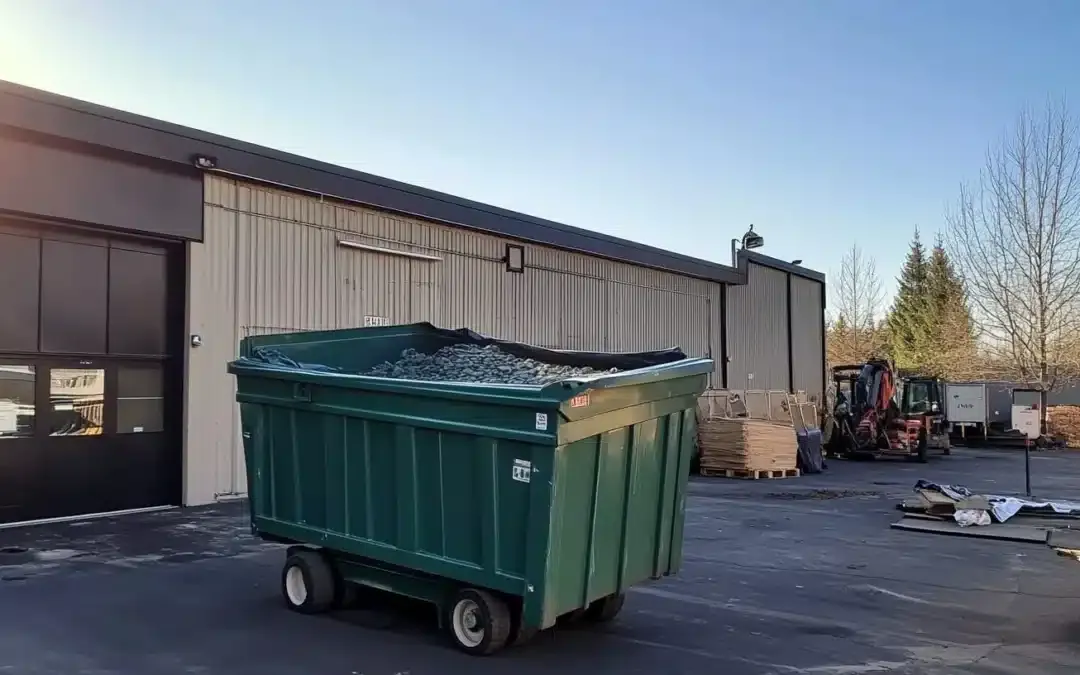
Construction projects rarely move in a straight line from start to finish. Instead, they unfold in phases, with each stage producing different materials, tasks, and logistical needs. Project transitions—such as moving from demolition to framing, or from structural work to interior finishing—often generate concentrated debris that must be managed quickly. Dumpster rentals are commonly used during these transition points to keep work areas organized and prevent delays.
This article looks at how construction managers and contractors typically use dumpster rentals to support smooth project transitions.
Debris Spikes During Phase Changes
Project transitions often create short bursts of heavy debris. Demolition phases produce tear-out materials that must be cleared before framing or installation can begin. Similarly, packaging and scrap materials increase as new components arrive on-site.
Without sufficient disposal capacity during these shifts, debris can accumulate rapidly and interfere with access, equipment movement, and trade coordination.
Clearing the Site for the Next Phase
Before a new phase begins, the work area often needs to be reset. Removing leftover materials from the previous stage helps create a clean starting point for incoming crews. Dumpster rentals allow contractors to clear debris efficiently and prepare the site for the next set of tasks.
This reset process supports safer working conditions and reduces confusion about what materials remain in use.
Supporting Overlapping Trades
On fast-paced builds, trades frequently overlap to maintain schedule momentum. During these overlaps, waste from one crew can become an obstacle for another. Centralized disposal through dumpster rentals helps maintain clearer work zones and predictable traffic patterns.
By reducing clutter during transitional periods, contractors limit the risk of slowdowns between trades.
Adjusting Capacity to Match Project Needs
Different transitions call for different disposal capacities. Large-scale demolition may require higher-volume containers, while lighter finishing phases may only generate intermittent waste. Construction managers often adjust dumpster size or frequency of removal based on the anticipated debris output of each phase.
Planning around peak activity helps avoid mid-transition disruptions.
Coordinating Delivery and Pickup Timing
Timing is critical during project transitions. Dumpsters are typically delivered shortly before debris-heavy work begins and removed promptly once the transition is complete. This approach minimizes the amount of time containers occupy valuable site space while still supporting efficient cleanup.
Clear communication between site managers and service providers helps ensure transitions proceed without interruption.
Working With Waste Service Providers
Reliable coordination is especially important when transitions occur on tight schedules. Contractors may work with providers such as Temporary Dumpster alongside local haulers to align delivery and pickup with project milestones.
In transition phases, responsiveness and scheduling flexibility often matter more than long-term service arrangements.
Maintaining Professional Site Conditions
Project transitions are often visible to clients, inspectors, and stakeholders. Keeping debris organized during these moments reinforces confidence in overall project management. Clean, reset work areas signal readiness for the next phase and reduce safety concerns during walkthroughs.
Consistent debris removal contributes to a more controlled and professional jobsite environment.
Dumpster rentals play a practical role during construction project transitions by supporting concentrated cleanup efforts and phase resets. When aligned with project milestones and debris patterns, they help prevent waste from slowing progress or complicating coordination between trades.
For construction managers and contractors, integrating dumpster rentals into transition planning helps maintain continuity and supports smoother movement from one phase to the next.

Aguaris: The Powerful Eco-Friendly Water Treatment Solution for Hard Water Problems

Uncuymaza Meaning Explained: The Powerful Philosophy of Balance and Sustainability

Umrah Packages 2026 from Birmingham: Why Easter Is the Best Time to Travel

Buy Yahoo Accounts

Are We Running Out of Light? The Physics of the Approaching “Capacity Crunch” in Fiber Optics

Ottans: The Powerful Sustainable Design Revolution Transforming Interiors

The Future of Digital Content Creation: Exploring Nano Banana 2

Enterprise Large File Transfer Solutions: Solving Big Data Movement Challenges

Why Sustainable Growth Depends on Strong Financial Systems

Why Bluetooth Speakers Are the Perfect Companion for Every Occasion

TabooTube Explained: The Powerful Platform for Unfiltered Content

content://cz.mobilesoft.appblock.fileprovider/cache/blank.html: Explained with Powerful Insights

Scrolller Explained: The Powerful Way to Browse Reddit Images

Zavalio com Explained: The Ultimate Truth You Must Know

adswynk com: Monetize Links With Smart Ads in 2025

Deshoptec com Review: Powerful Truth About This Online Store

SSIS 469: Fixing SQL Data Errors in ETL Workflows

Milohacherry Coin Explained: The Powerful Lifestyle Crypto Rewarding Travel & Fitness

Novafork: The Best Free Streaming Site for Movies, Shows & Anime

Brandi Loge: The Inspiring Rise of a Bold Creative Leader
-
 Blog2 months ago
TabooTube Explained: The Powerful Platform for Unfiltered Content
-
 Blogs5 months ago
content://cz.mobilesoft.appblock.fileprovider/cache/blank.html: Explained with Powerful Insights
-
 Blog2 months ago
Scrolller Explained: The Powerful Way to Browse Reddit Images
-
 Blog2 months ago
Zavalio com Explained: The Ultimate Truth You Must Know