
Blog
Inomyalgia Explained: Powerful Guide to Muscle Pain Relief

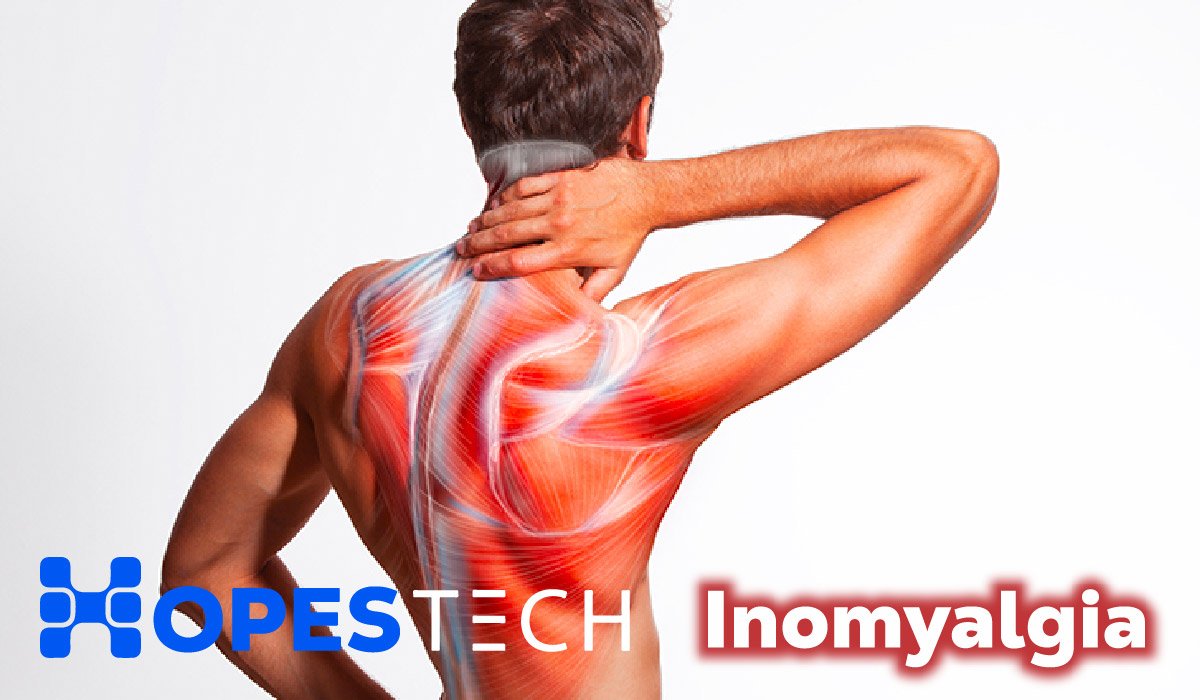
What Is Inomyalgia?
Inomyalgia is a chronic pain condition that has recently gained attention within pain management and musculoskeletal health circles. The word “inomyalgia” comes from two Greek roots: “ino,” referring to muscle fibers or muscle tissue, and “myalgia,” meaning muscle pain. Unlike temporary soreness that follows physical activity or strain, inomyalgia is marked by long-term muscle pain, tenderness, and fatigue that can deeply impact daily life.
This condition often mimics or overlaps with fibromyalgia, but with more focus on muscular inflammation and localized discomfort rather than widespread nervous system-related pain. Patients dealing with inomyalgia often find themselves facing unexplained symptoms for months or even years before receiving any formal recognition, as the condition is still emerging in mainstream medical classification.
In this guide, we will explore everything you need to know about inomyalgia its meaning, symptoms, causes, diagnosis methods, treatment options, lifestyle strategies, emotional impact, and current research developments, giving you a full understanding of how to identify and manage this often misunderstood health condition.
The Origins and Meaning of Inomyalgia
Etymology and Definition
The term “inomyalgia” is built from two essential medical components. “Ino” refers to muscle tissue or fibers—indicating the anatomical focus of the condition—while “myalgia” means muscle pain. This makes inomyalgia a term that literally translates to “pain in the muscle fibers.” It is closely related in linguistic structure to other pain disorders such as “myalgia” (general muscle pain) and “fibromyalgia” (a broader condition involving muscle, connective tissue, and central nervous system sensitivities). However, inomyalgia sets itself apart by implying a more localized and inflammation-related pain response directly linked to muscle tissue, rather than the more diffuse, nervous system-amplified pain seen in fibromyalgia.
Historical Context and Emergence
Inomyalgia is not yet officially recognized in global diagnostic manuals such as the ICD-10 or DSM-5, but the term has emerged in chronic pain discussions, online health forums, and niche clinical settings. Its growing mention is driven by patients whose symptoms don’t neatly fit into the fibromyalgia box and by practitioners seeking new ways to describe muscle pain syndromes that don’t involve classic inflammatory markers. With increasing research into muscle-based pain and the limitations of current diagnostic labels, inomyalgia is gaining traction as a way to name a pattern of muscular discomfort that is persistent, disruptive, and distinct in its features.
Symptoms of Inomyalgia
Common Physical Symptoms
The most prominent symptom of inomyalgia is persistent muscle pain, which often begins subtly but can grow to affect large areas of the body. This pain can feel dull, throbbing, tight, or achy and typically localizes around certain muscle groups such as the neck, shoulders, back, or thighs. People may also experience morning stiffness that makes it hard to get moving after rest. Unlike regular soreness, this discomfort tends to linger for weeks or months and may be resistant to over-the-counter treatments or stretching. Muscle tenderness is especially common, with even light pressure causing disproportionate pain responses in affected areas.
Neurological and Sensory Effects
While inomyalgia is muscle-based, it can still cause significant sensory disruptions. Brain fog—marked by poor concentration, memory lapses, and slowed thinking—is a common complaint. Many people report sleep disturbances such as trouble falling or staying asleep, or waking up feeling unrefreshed. Sensitivity to touch, pressure, or cold weather may develop, with some individuals experiencing spasms or cramping without physical exertion. These sensory effects can mimic fibromyalgia, making diagnosis more challenging and contributing to the overall exhaustion many patients face.
Emotional and Psychological Effects
Living with inomyalgia can take a toll on emotional well-being. Chronic pain that lacks a clear medical explanation often leads to feelings of confusion, frustration, or hopelessness. Depression and anxiety are frequently reported, especially in patients whose condition interferes with work, relationships, or physical independence. Mood swings, irritability, and social withdrawal can emerge as a result of constant discomfort and the lack of understanding from others. Emotional health is deeply connected to physical symptoms in inomyalgia, and both must be addressed to support long-term quality of life.
Causes and Risk Factors of Inomyalgia
Internal Biological Factors
One of the primary internal causes suspected in inomyalgia is mitochondrial dysfunction. This refers to a disruption in the body’s ability to generate cellular energy, leading to muscle fatigue and pain. Central sensitization, where the nervous system becomes overly reactive to pain signals, may also contribute—meaning that even normal sensations can be interpreted as pain. Hormonal imbalances, especially in cortisol (the stress hormone) and serotonin (a neurotransmitter), are also involved. These hormonal shifts can alter immune response and pain thresholds, worsening symptoms.
External Triggers and Lifestyle Factors
Inomyalgia often follows a pattern of physical overuse or trauma. This includes repetitive strain injuries, postural misalignment, or recovering from major surgeries. Viral or bacterial infections that stress the immune system—such as Epstein-Barr virus or Lyme disease—have also been observed to trigger long-term muscle inflammation. Poor recovery from intense physical activity, inadequate hydration, or nutritional neglect may further exacerbate muscle sensitivity, while daily stress and lack of rest act as ongoing fuel for flare-ups.
Genetic and Autoimmune Links
A growing body of research suggests that individuals with a family history of autoimmune diseases or chronic fatigue syndromes may be more vulnerable to inomyalgia. This could be due to inherited weaknesses in immune regulation, connective tissue resilience, or neurological signaling. When exposed to stress, illness, or physical strain, these vulnerabilities may trigger a chronic pain response that becomes difficult to reverse without targeted interventions.
How Inomyalgia Is Diagnosed
Diagnostic Challenges
There is no specific test or biomarker for inomyalgia, which means diagnosis remains a process of exclusion. Doctors must rule out more well-known conditions such as fibromyalgia, rheumatoid arthritis, hypothyroidism, or lupus before arriving at an inomyalgia label. This lack of a clear diagnostic code can lead to frustration for both patients and providers.
Diagnostic Methods
Physicians begin by gathering a full medical history and symptom report. They may perform tender point exams to identify muscle sensitivity, though these may differ from fibromyalgia patterns. Bloodwork is used to eliminate autoimmune or inflammatory conditions, and MRI scans or biopsies may be used if deeper tissue damage is suspected. Sleep assessments, pain journals, and fatigue tracking are also helpful in building a diagnosis over time.
Role of Specialists
Rheumatologists and neurologists often play an essential role in identifying inomyalgia, as they are trained to evaluate chronic pain patterns beyond common disorders. Pain management clinics and holistic care teams may also provide support by integrating physical, psychological, and nutritional insights into a more comprehensive diagnosis plan.
Inomyalgia vs Fibromyalgia: Key Differences
| Feature | Inomyalgia | Fibromyalgia |
|---|---|---|
| Pain location | Localized, deeper | Widespread |
| Recognition | Emerging | Widely recognized |
| Cause | Muscle inflammation, strain | Nervous system dysfunction |
| Diagnosis | Symptom-based, exclusion | Defined criteria (ACR) |
| Symptoms | More musculoskeletal | Includes IBS, headaches, mood |
| Best Treatments | Muscle recovery-focused | CNS-targeted treatments |
While both conditions cause chronic pain and fatigue, fibromyalgia is more centralized in origin, involving brain and nerve signaling issues, while inomyalgia may stem from peripheral muscular problems and inflammation. Each requires a different focus in treatment and care.
Treatment Options for Inomyalgia
Medications
NSAIDs may offer temporary relief, though some patients find limited results. Low-dose antidepressants like amitriptyline or duloxetine can reduce pain and improve sleep. Anticonvulsants such as gabapentin or pregabalin may help calm overactive pain signals. Muscle relaxants may be used for spasms, especially during flare-ups.
Physical and Occupational Therapy
Physical therapy focused on gentle movement, such as yoga, water therapy, or light strength training, can help build muscular resilience without triggering flare-ups. Occupational therapy can assist in modifying tasks or tools to reduce strain on affected muscles.
Alternative and Complementary Therapies
Massage therapy can reduce stiffness and improve circulation. Acupuncture has shown promise in reducing chronic pain in some patients. Cognitive Behavioral Therapy (CBT) helps patients build mental resilience and stress-reduction skills. Mind-body practices like meditation, breathwork, and tai chi integrate physical relief with emotional balance.
Nutritional Supplements
Magnesium supports muscle relaxation, while vitamin D contributes to anti-inflammatory balance. Omega-3s and B-complex vitamins support energy production and nervous system function, especially in fatigue-prone individuals.
Diet and Lifestyle Adjustments
Anti-Inflammatory Diet
Eating more whole, plant-based foods—especially leafy greens, berries, and oily fish—can help calm inflammation. Avoiding processed sugars, refined carbs, and trans fats is critical for symptom control. Hydration and reduction in alcohol or caffeine can also improve energy and sleep quality.
Sleep Hygiene
Establishing a regular sleep routine is essential. Creating a dark, cool, screen-free environment and using relaxation techniques before bed can promote deeper rest and muscle healing overnight.
Movement Without Flare
Low-impact exercise is a vital part of managing inomyalgia. Walking, swimming, and restorative yoga can keep muscles flexible and reduce tension. It’s important to pace activity and listen to body signals to avoid overdoing it.
Stress Reduction Techniques
Deep breathing, gratitude journaling, and mindfulness meditation help regulate the nervous system and reduce cortisol levels. Spending time in nature or participating in relaxing hobbies can also lower stress and lessen symptom severity.
Emotional and Mental Health
Impact of Chronic Pain
Persistent pain affects emotional resilience. People may struggle with guilt, frustration, or identity loss when their abilities change. Relationships can suffer, and professional life may become difficult to manage, especially when others don’t understand the invisible nature of the illness.
Coping and Support
CBT and Acceptance & Commitment Therapy (ACT) provide helpful frameworks for building emotional flexibility. Online support communities, peer groups, and health forums help individuals feel seen and supported. Journaling and creative expression can serve as therapeutic outlets, while gratitude practices keep focus on progress, not setbacks.
Living With Inomyalgia: Daily Life Tips
Living with inomyalgia involves careful pacing. Use tools like ergonomic chairs, heated blankets, and soft braces to reduce discomfort. Time-blocking tasks and resting between chores can prevent energy crashes. Keep your expectations realistic, and celebrate every small victory—whether it’s a good night’s sleep or a day with fewer symptoms. Structure, self-care, and flexibility are the pillars of a stable lifestyle.
Preventing Inomyalgia Flare-Ups
Flare-up prevention includes avoiding overexertion, staying hydrated, getting consistent gentle movement, and managing infections early. Pay attention to early warning signs like stiffness or brain fog and act quickly to rest or adjust plans. A well-balanced schedule that includes movement, rest, nutrition, and mental care helps stabilize symptoms over the long term.
Research and Scientific Developments
Emerging Theories
Researchers are now exploring how cellular energy dysfunction and immune system modulation may play key roles in inomyalgia. These theories could help create targeted treatments that go beyond symptom management.
Future Diagnostic Tools
New imaging technologies and biomarker studies are underway to better understand pain sensitivity, muscle inflammation, and immune triggers. As awareness grows, so does the push for validated criteria and diagnostic tests.
Advocacy and Awareness
Patient-led movements are driving recognition forward. Health blogs, social media campaigns, and specialized clinics are increasing exposure and encouraging funding for further research. With time, inomyalgia may gain the formal classification it deserves.
Conclusion
Inomyalgia is a real, complex, and life-altering condition that deserves greater attention, empathy, and medical focus. It differs from other chronic pain syndromes by centering on muscle inflammation and tenderness, often without clear diagnostic markers. But despite these challenges, there is hope. With a mix of informed care, lifestyle adaptation, emotional support, and advocacy, people living with inomyalgia can reclaim control and move toward a life of balance, relief, and understanding. As research continues, the future holds promise for better recognition and treatment of this emerging condition.
FAQs About Inomyalgia
1. What is inomyalgia?
Inomyalgia is a chronic condition that causes long‑lasting muscle pain, stiffness, and fatigue. The pain mainly affects muscle fibers and does not go away easily with rest. It is different from normal muscle soreness and may last for months or years.
2. Is inomyalgia the same as fibromyalgia?
No, inomyalgia is not exactly the same as fibromyalgia. Fibromyalgia usually causes widespread body pain linked to the nervous system, while inomyalgia often focuses more on deeper or localized muscle pain and inflammation. However, the two conditions can share similar symptoms.
3. What are the main symptoms of inomyalgia?
The most common symptoms of inomyalgia include persistent muscle pain, morning stiffness, extreme fatigue, muscle tenderness, sleep problems, and brain fog. Some people also experience anxiety or low mood due to long‑term pain.
4. How is inomyalgia diagnosed?
Inomyalgia is diagnosed through medical history, physical examination, and ruling out other conditions like arthritis or fibromyalgia. There is no single test for inomyalgia, so doctors focus on symptoms, pain patterns, and exclusion testing.
5. How is inomyalgia treated?
There is no single cure for inomyalgia, but treatment focuses on symptom relief. This may include pain medications, gentle exercise, physical therapy, stress management, healthy diet changes, proper sleep, and supplements like magnesium or vitamin D.
Read More: Piragnia Explained: The Shocking Truth Behind This River Fish
For More Information, Visit HopesTech

Why Roaming Can Be a Problem Abroad and How an eSIM Can Help

Do You Really Need a Watch Winder for Your Automatic Watch?

Why Sportswear Is No Longer Limited to Athletes

The Name Necklace Trend Is Back, But More Grown-Up

A Clearer Route to Reliable professional drain clearance and CCTV inspection

Is The High Street Bank Losing Its Grip On UK Business Loans?

How Engineering Firms Are Using Technology to Deliver Faster Projects

Why Elasticated Waists Have Stopped Being the Thing Nobody Admits They Own

Magnific for Enterprise: How Global Brands Are Using AI Creative Production at Scale

Micro-Soldering Tools and iPhone Motherboard Repair: A Complete Guide

TabooTube Explained: The Powerful Platform for Unfiltered Content

SSIS 469: Fixing SQL Data Errors in ETL Workflows

content://cz.mobilesoft.appblock.fileprovider/cache/blank.html: Explained with Powerful Insights

Scrolller Explained: The Powerful Way to Browse Reddit Images

Zavalio com Explained: The Ultimate Truth You Must Know

adswynk com: Monetize Links With Smart Ads in 2025

Deshoptec com Review: Powerful Truth About This Online Store

kz43x9nnjm65: The Smart Code Transforming Digital Technology

Novafork: The Best Free Streaming Site for Movies, Shows & Anime

Milohacherry Coin Explained: The Powerful Lifestyle Crypto Rewarding Travel & Fitness
-
 Blog9 months ago
TabooTube Explained: The Powerful Platform for Unfiltered Content
-
 Blog11 months ago
SSIS 469: Fixing SQL Data Errors in ETL Workflows
-
 Blogs1 year ago
content://cz.mobilesoft.appblock.fileprovider/cache/blank.html: Explained with Powerful Insights
-
 Blog9 months ago
Scrolller Explained: The Powerful Way to Browse Reddit Images