
Tech
IPS vs OLED vs Mini LED: What Display Technology Means for Portable Monitors in 2026

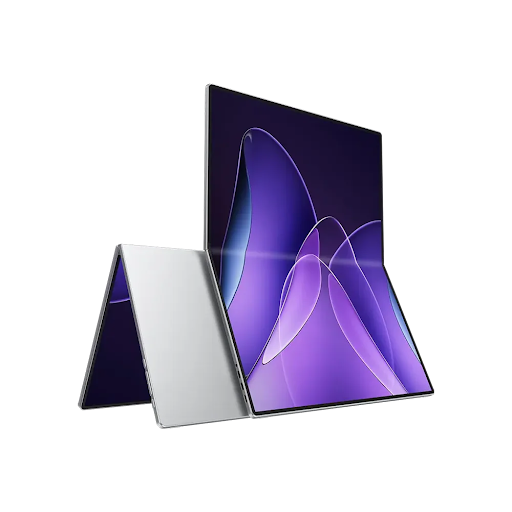
Portable display technology has seen great growth, and in 2026 the main driver of user experience is no longer just screen size or connection; it is the panel tech. For use in remote work, gaming, content creation, or portable entertainment, the display panel plays a key role in terms of brightness, color, battery life, and overall use. Today it is seen that out of the top three relevant tech in this field are IPS, OLED, and Mini LED, which play to different sets of requirements.
Why Display Technology Matters More in 2026
As seen in the growth of laptop, tablet, handheld console, and hybrid workstation power, which is also true for external portable screens, they will achieve desktop-level visual quality. Also, there is a trend toward thinner design, better HDR support, higher refresh rates, and improved outdoor visibility in compact packages.
The selection of panels is key. For portable devices the wrong display choice may result in poor color performance, great battery drain, low visibility in daylight, or image retention issues. Also in 2026 there is the introduction of tandem OLED and high-zone Mini LED backlighting, which is taking the category forward.
IPS: The Reliable Standard for Everyday Productivity
IPS is the dominant panel type in the portable monitor market, which is attributed to its excellent all-around performance. It does very well with wide viewing angles, precise color reproduction, and consistent screen brightness.
For professionals that use mainly office software, web browsers, spreadsheets, and video calls, IPS is still a very relevant choice. Also, it is the most economic option, which in turn makes portable display solutions a real possibility for business users and students.
Another great benefit is that of durability. Like other emission-based technologies, IPS does not experience burn-in, which in turn makes it a great choice for extended use of static UI elements like dashboards, toolbars, or coding interfaces.
LED improvements, which are to blame for closing that gap for premium users.
OLED: Premium Contrast and Visual Precision
OLED has for a while been the choice of users who put visual quality at the top. What is seen is that each pixel in an OLED panel lights up on its own, which in turn gives true blacks, very high contrast, and also very fast response times.
In terms of portable displays for gamers, cineasts, or creative professionals, which is what OLED is great for, there is a much richer image. With HDR content the user will see improved black levels and more vibrant colors. Also, it’s great for smooth motion, which makes OLED the best choice for competitive gaming systems that would be paired with a laptop or handheld console.
In 2026 it is also seen that in the field of tandem OLED there is progress, which is in fact solving past issues, and better brightness and improved efficiency are being achieved. That which for a few years now has made OLED a very real option for slim and easy-to-travel screens.
Still at present, the uperfect portable monitor OLED models are not the best solution for all portable monitor uses. In static work, which includes long-term spreadsheet use, always-on taskbars, or stock chart monitoring, image retention issues may still be seen despite great improvement in that area.
Mini LED: The Best Choice for Brightness and HDR Mobility
Mini LED is a growing trend as a high-performance option between IPS and OLED. It is seen to be a version of LCD, like IPS, but what it does is improve upon backlighting with the use of hundreds or thousands of local dimming zones.
In the world of portable monitors, large improvements are seen in what is possible with HDR brightness, contrast, and daylight visibility. It is also noticed that the traveler, the cafe worker, the airport resident, and the person who sits by the window at the office at which the sun is shining in — will see the greatest benefit from Mini LED, which, in those conditions, which are the toughest for display technology to perform in, does what it does best, which is to maintain picture clarity.
Another advantage is that of durability. With the issue of burn-in, which affects some panels non-existent, it is also seen that this in turn means that this is a great fit for those who use the productivity tools and applications, which require the screen to be on for very long periods of time.
The primary issue is that of blooming, which in turn means that bright objects on dark backgrounds are seen surrounded by a halo. Although in 2026 dimming algorithms improved this issue greatly, it is still seen in some low-light settings.
Which Tech is for the Future of Portability?
Which display option is best depends on how the portable screen will be used.
- IPS, which is what many go for in the office, for education, and for those on a budget.
- OLED excels in entertainment and gaming and for creators that require perfect contrast.
- Mini LED is for those that want premium HDR brightness, strong performance in daylight, and long-term reliability.
In 2026 it is seen that the primary issue for portables is not size and resolution, as it was before. Rather, it is display technology that is the key to ease of use, comfort, and image quality.
As more displays go into all areas of use from professional to entertainment, IPS, OLED, and Mini LED have their own unique paths. In this, past specs into real-world performance is seen which is what ultimately should drive the user’s choice in display.are seen,

How to Fix “Error Connecting to Server” on WebRTC Video Chats

Scaling Modern Applications: A Guide to Microservices and AWS Expertise

Evaluating a Fast Turn PCB Partner for High-Frequency Applications

Why Roaming Can Be a Problem Abroad and How an eSIM Can Help

Do You Really Need a Watch Winder for Your Automatic Watch?

Why Sportswear Is No Longer Limited to Athletes

The Name Necklace Trend Is Back, But More Grown-Up

A Clearer Route to Reliable professional drain clearance and CCTV inspection

Is The High Street Bank Losing Its Grip On UK Business Loans?

TabooTube Explained: The Powerful Platform for Unfiltered Content

SSIS 469: Fixing SQL Data Errors in ETL Workflows

content://cz.mobilesoft.appblock.fileprovider/cache/blank.html: Explained with Powerful Insights

Scrolller Explained: The Powerful Way to Browse Reddit Images

Zavalio com Explained: The Ultimate Truth You Must Know

adswynk com: Monetize Links With Smart Ads in 2025

Deshoptec com Review: Powerful Truth About This Online Store

kz43x9nnjm65: The Smart Code Transforming Digital Technology

Novafork: The Best Free Streaming Site for Movies, Shows & Anime

Milohacherry Coin Explained: The Powerful Lifestyle Crypto Rewarding Travel & Fitness
-
 Blog10 months ago
TabooTube Explained: The Powerful Platform for Unfiltered Content
-
 Blog12 months ago
SSIS 469: Fixing SQL Data Errors in ETL Workflows
-
 Blogs1 year ago
content://cz.mobilesoft.appblock.fileprovider/cache/blank.html: Explained with Powerful Insights
-
 Blog10 months ago
Scrolller Explained: The Powerful Way to Browse Reddit Images