
Tech
Key Signs Your Business Has Outgrown Pre-Built Website Themes

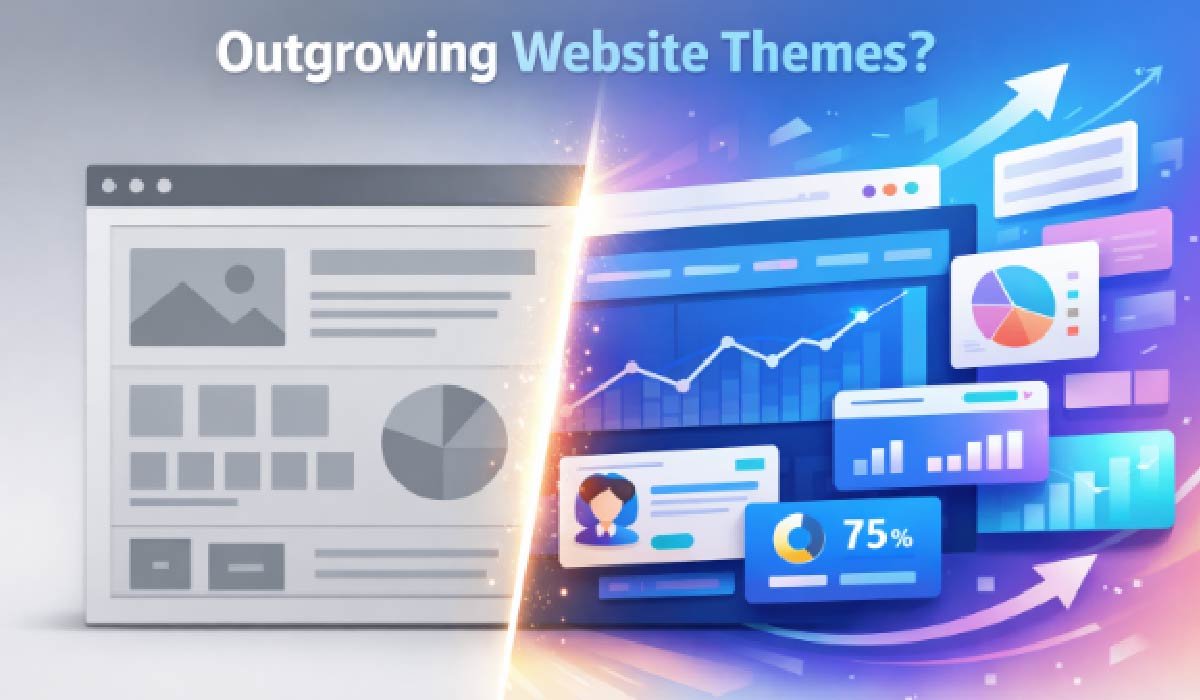
Pre-built website themes have become one of the most popular ways for businesses to launch a website quickly. Platforms like WordPress offer thousands of ready-made themes that allow companies to create a professional-looking site without extensive development resources. For startups and small businesses, these themes provide an affordable and efficient way to establish an online presence.
However, as businesses grow, their digital needs often become more complex. What initially seemed like a convenient solution can eventually become a limitation. Pre-built themes are designed to serve broad audiences, which means they cannot always support the specific functionality, performance, or customization that expanding companies require.
A growing business often reaches a point where its website must evolve beyond a generic template. Recognizing the signs that your current theme is holding you back is essential for maintaining performance, user experience, and long-term scalability. This article explores the key indicators that suggest it may be time to move beyond pre-built website themes and invest in a more flexible development approach.
Understanding the Limitations of Pre-Built Website Themes
Pre-built themes are designed for convenience. They offer ready-to-use layouts, design elements, and functionality that allow users to launch websites with minimal technical knowledge. While this accessibility is beneficial for early-stage businesses, it also introduces several inherent limitations.
One of the primary issues is that these themes are built to serve a wide range of industries and use cases. As a result, they often include features that many businesses do not need, which can increase code complexity and reduce performance.
Common limitations of pre-built themes include:
- Bloated code that slows down website performance
- Limited customization without modifying core theme files
- Design structures that restrict unique branding
- Dependency on third-party plugins for basic functionality
- Difficulty integrating advanced tools or systems
Another challenge arises when businesses attempt to modify themes extensively. Although many themes offer customization options, significant changes often require workarounds that can lead to compatibility issues or future update conflicts.
As companies grow and their digital strategies mature, these limitations can create obstacles that affect user experience, operational efficiency, and overall website scalability.
Growing Businesses Need More Flexibility
As a business evolves, its website must adapt to changing goals, new marketing strategies, and increasing user expectations. A simple informational website may eventually need to support advanced features such as membership portals, integrations with CRM systems, dynamic product catalogs, or custom user dashboards.
Pre-built themes rarely offer the level of flexibility required for these types of features. Even when plugins can extend functionality, relying heavily on multiple plugins often introduces performance problems, security vulnerabilities, and maintenance challenges.
This is where many businesses begin exploring more tailored solutions. Working with a custom wordpress development company allows organizations to build websites that align precisely with their operational requirements rather than forcing their workflows to fit within the limitations of a generic theme.
Custom development provides greater control over design architecture, functionality, and long-term scalability. Instead of adapting business processes to the structure of a theme, companies can create a website infrastructure designed around their growth strategy.
For organizations experiencing rapid expansion or increasing digital complexity, this flexibility becomes essential.
Key Signs Your Business Has Outgrown Pre-Built Website Themes
Not every business needs a fully custom website immediately. However, certain indicators suggest that a company has reached the point where a pre-built theme is no longer sufficient.
Performance Limitations
Website performance plays a crucial role in user experience, conversion rates, and search engine rankings. Many pre-built themes include extensive scripts, design frameworks, and unnecessary features that can slow down page loading times.
Signs of theme-related performance issues include:
- Slow page load speeds despite optimization efforts
- High bounce rates caused by delayed page rendering
- Large numbers of unused scripts and CSS files
- Difficulty passing performance metrics such as Core Web Vitals
If a website consistently struggles with speed even after caching and optimization, the underlying theme architecture may be the root of the problem.
Custom Functionality Needs
As businesses grow, they often require specialized functionality that goes beyond what standard themes offer.
Examples include:
- Custom dashboards for users or customers
- Advanced booking or scheduling systems
- Integration with internal tools or external APIs
- Custom product configurators or calculators
- Membership platforms or gated content systems
Attempting to implement these features using plugins alone can create technical complexity and compatibility risks. When functionality becomes central to business operations, custom development typically provides a more stable solution.
Brand Differentiation Issues
Brand identity is a critical component of digital marketing. However, pre-built themes often rely on common layouts and design structures that appear across thousands of websites.
This lack of uniqueness can make it difficult for businesses to stand out in competitive markets.
Some indicators of branding limitations include:
- Websites that resemble many others using the same theme
- Limited ability to implement unique design concepts
- Restricted layout structures
- Difficulty creating interactive or visually distinctive experiences
Custom design allows businesses to build a website that fully reflects their brand personality, values, and positioning.
Scalability Challenges
A website that works well for a small company may struggle as traffic, content, and functionality expand.
Scalability issues can appear in several forms:
- Difficulty managing large content libraries
- Slow database queries as content grows
- Limited support for high traffic volumes
- Inflexible content management structures
Pre-built themes are not always designed to handle complex content architectures or significant traffic growth. Custom development allows developers to design scalable systems that support long-term expansion.
SEO and Technical Limitations
Search engine optimization often requires technical control over site architecture, structured data, performance optimization, and clean code.
Some themes restrict access to these elements or introduce SEO challenges such as:
- Poor HTML structure
- Excessive reliance on page builders
- Limited control over schema markup
- Slow page load times affecting search rankings
- Difficulty implementing advanced technical SEO strategies
For businesses heavily reliant on organic traffic, these limitations can significantly impact digital marketing performance.
Security Concerns
Security is another major factor that businesses must consider as they grow.
Popular themes often become targets for malicious actors because they are widely used. Additionally, themes that depend on numerous plugins increase the number of potential vulnerabilities.
Security risks can arise from:
- Outdated themes that are no longer maintained
- Plugin conflicts or vulnerabilities
- Poorly written theme code
- Delayed updates or compatibility issues
A custom-built website allows developers to implement security best practices while minimizing unnecessary dependencies.
Benefits of Moving Toward Custom Website Development
Transitioning from a pre-built theme to a custom-built website can offer several advantages that support long-term business growth.
One of the most important benefits is improved performance. Custom websites are typically built with lean, purpose-driven code, which reduces unnecessary scripts and improves loading speed.
Additional benefits include:
Greater design flexibility
Businesses can implement unique visual identities without being restricted by theme layouts.
Enhanced functionality
Custom features can be developed to support specific workflows, tools, or customer experiences.
Improved scalability
Developers can design systems that accommodate growing traffic, expanding content, and new integrations.
Stronger SEO foundation
Clean code, optimized architecture, and advanced technical SEO capabilities improve search visibility.
Better long-term maintenance
Custom websites are easier to manage when built with clear documentation and structured development practices.
These advantages make custom development a valuable investment for businesses that rely heavily on their websites for lead generation, e-commerce, or customer engagement.
How to Decide When It’s Time to Upgrade
Determining the right time to move away from a pre-built theme requires careful evaluation of both current limitations and future goals.
Businesses should consider upgrading when:
- Website performance negatively impacts user experience
- Custom features become critical for operations
- Branding and design limitations hinder differentiation
- SEO improvements are restricted by technical constraints
- Website traffic and content volume are rapidly increasing
Another useful approach is to assess how much time and effort are spent maintaining or troubleshooting the current theme. If constant workarounds and plugin adjustments are required to keep the site functioning properly, the long-term costs may outweigh the benefits of sticking with the existing setup.
Planning a strategic transition allows businesses to rebuild their websites with a stronger foundation that supports future growth rather than reacting to ongoing technical limitations.
Conclusion
Pre-built website themes play an important role in helping businesses launch quickly and affordably. For many startups and small companies, they provide an effective entry point into the digital landscape.
However, as businesses grow, their websites must support more advanced functionality, stronger branding, improved performance, and scalable infrastructure. When a theme begins to limit these capabilities, it may be time to consider a more flexible development approach.
Recognizing the signs—such as performance bottlenecks, limited customization, scalability issues, and SEO constraints—can help organizations make informed decisions about their digital infrastructure.
By planning strategically and investing in solutions that align with long-term growth, businesses can ensure their websites remain powerful assets that support both marketing goals and operational efficiency.

Do You Really Need a Watch Winder for Your Automatic Watch?

Why Sportswear Is No Longer Limited to Athletes

The Name Necklace Trend Is Back, But More Grown-Up

A Clearer Route to Reliable professional drain clearance and CCTV inspection

Is The High Street Bank Losing Its Grip On UK Business Loans?

How Engineering Firms Are Using Technology to Deliver Faster Projects

Why Elasticated Waists Have Stopped Being the Thing Nobody Admits They Own

Magnific for Enterprise: How Global Brands Are Using AI Creative Production at Scale

Micro-Soldering Tools and iPhone Motherboard Repair: A Complete Guide

UK Management College Celebrates 10 Years of Excellence with Landmark SummerFest 2026 at Heaton Park

TabooTube Explained: The Powerful Platform for Unfiltered Content

SSIS 469: Fixing SQL Data Errors in ETL Workflows

content://cz.mobilesoft.appblock.fileprovider/cache/blank.html: Explained with Powerful Insights

Scrolller Explained: The Powerful Way to Browse Reddit Images

Zavalio com Explained: The Ultimate Truth You Must Know

adswynk com: Monetize Links With Smart Ads in 2025

Deshoptec com Review: Powerful Truth About This Online Store

kz43x9nnjm65: The Smart Code Transforming Digital Technology

Novafork: The Best Free Streaming Site for Movies, Shows & Anime

Milohacherry Coin Explained: The Powerful Lifestyle Crypto Rewarding Travel & Fitness
-
 Blog9 months ago
TabooTube Explained: The Powerful Platform for Unfiltered Content
-
 Blog11 months ago
SSIS 469: Fixing SQL Data Errors in ETL Workflows
-
 Blogs12 months ago
content://cz.mobilesoft.appblock.fileprovider/cache/blank.html: Explained with Powerful Insights
-
 Blog9 months ago
Scrolller Explained: The Powerful Way to Browse Reddit Images