
Blog
Kibard Meaning Explained: The Powerful Truth Behind This Common Typo

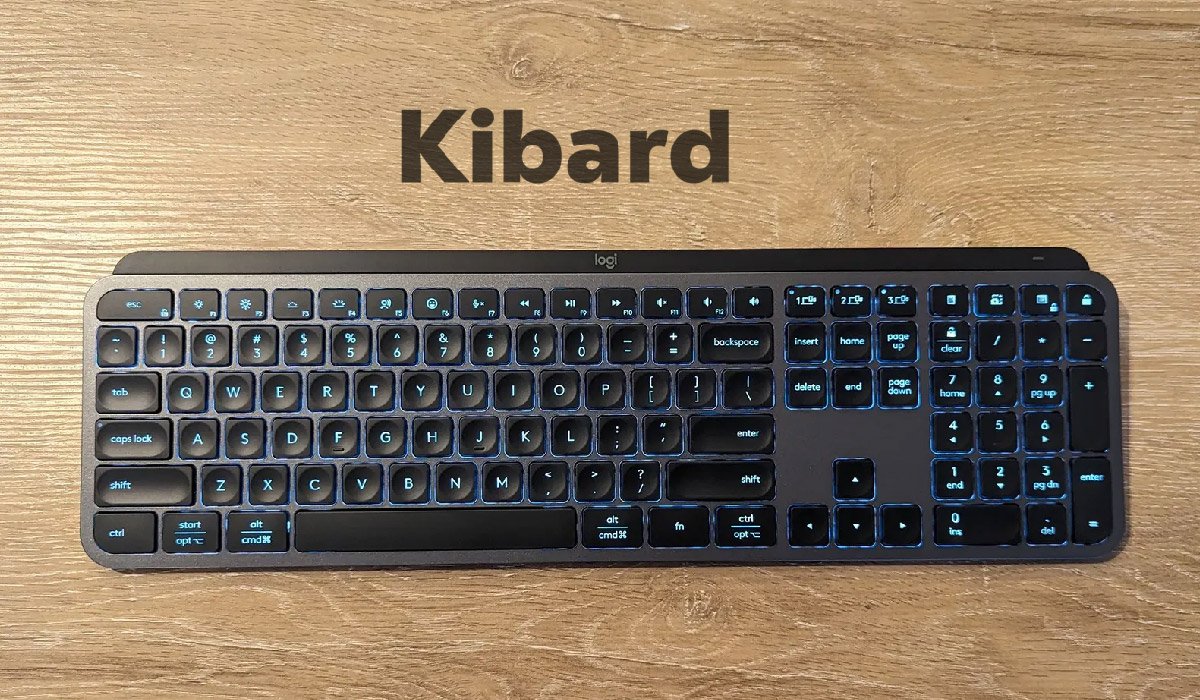
Introduction
“Kibard” is a fascinating term with two powerful yet different meanings—on one hand, it is a common typographical error of the word “keyboard”, and on the other, it carries potential cultural and symbolic significance. Whether it appears in casual messages, search queries, or even cultural discussions, “Kibard” has managed to spark curiosity across digital and societal spaces.
In the digital world, it’s a classic case of how misspellings occur due to fast typing, autocorrect errors, or speech-to-text misinterpretations. Meanwhile, in cultural settings—real or imagined—it holds the potential to act as a metaphor or symbol representing tradition, connectivity, and identity.
This article dives deep into both meanings, providing a full understanding of what Kibard is, why it matters, and how it influences technology, communication, culture, and even SEO. From human error to human expression, the story of Kibard offers insights that every digital user and cultural observer can appreciate.
What Is Kibard?
A Typo That Became a Trend
The most common interpretation of Kibard stems from a typing error, where a user intends to write “keyboard” but mistakenly hits adjacent keys due to finger misplacement, haste, or autocorrect confusion. These kinds of errors are widespread in digital communication, especially given the speed at which people type emails, text messages, or search queries. In this context, Kibard is not unique—it’s part of a family of frequent misspellings that include examples like “definately” instead of “definitely” or even “covfefe,” which became internet-famous.
The rapid typing culture of today, fueled by mobile usage and autocorrect dependency, has created a perfect storm for such errors. Interestingly, terms like “Kibard” often find their way into search engine data, social media trends, and memes—sometimes even getting recognized as real words due to widespread usage. This shows how language online is fluid and shaped by human behavior, not just grammar rules.
A Word with Cultural Depth
Beyond being a typo, Kibard also represents a symbolic concept, either as an imagined cultural artifact or as a tool of community connection. Just as many languages and communities preserve words that signify collective memory, Kibard can be seen as a constructed cultural term, carrying meaning in storytelling, ritual, or identity. Whether it refers to a traditional object, a talisman, or a motif in art, Kibard is a placeholder for shared history and values.
Cultural evolution often takes abstract or accidental elements and transforms them into symbols of belonging. So while it may have started as a digital accident, Kibard now invites reinterpretation as a word with emotional and symbolic weight. This duality—accident and artifact—makes Kibard especially intriguing in a world where culture and technology constantly overlap.
Keyboard Misspellings and Digital Implications
Why Typos Like “Kibard” Happen
Typographical errors like Kibard usually arise from keyboard layout design (especially QWERTY), fast typing speeds, and lack of attention while composing text. On physical keyboards, the ‘i’ and ‘o’ keys are close to each other, as are ‘b’ and ‘n’—making a slip almost inevitable. Moreover, mobile and touchscreen typing offers even more room for mistakes due to smaller keys and a lack of tactile feedback.
In addition to these technical causes, autocorrect and voice-to-text input often fail to interpret context properly, turning a logical input into an unexpected result like “Kibard.” These issues highlight a persistent challenge in modern digital environments: although technology is evolving fast, the human element—imperfect and spontaneous—remains central.
Impact on Digital Communication
When a user types “Kibard” instead of “keyboard,” the result can vary from harmless confusion to professional miscommunication. In workplaces, such typos in emails or reports can undermine credibility or clarity. On social platforms, they may lead to humor, ridicule, or even virality.
The presence of such errors reflects the ongoing tension between fast communication and accurate expression. In real-time chats, typos like “Kebard” are often overlooked, but in more formal contexts, they can signal a lack of attention or poor proofreading. This affects how content is perceived and interpreted by audiences. Thus, addressing typos isn’t just about spelling—it’s about effective communication and trust.
Autocorrect’s Role
Autocorrect systems were designed to eliminate errors like “Kibard,” but they are not flawless. These systems rely on algorithms trained on common word patterns, which can misinterpret user intent—especially with new, niche, or cultural terms. In some cases, autocorrect may actually replace the correct word with an incorrect one, compounding the issue.
While advancements in AI and machine learning have improved predictive text accuracy, autocorrect tools still struggle with context and cultural nuance. Therefore, users are advised to review autocorrected text to ensure clarity, particularly in professional or multilingual settings.
SEO Value of Misspellings Like Kibard
Keyword Variation Opportunities
In the world of Search Engine Optimization (SEO), misspelled terms like Kibard offer a hidden advantage. Because real users often type incorrectly, savvy content creators and marketers can optimize for both correct and incorrect variations. Including Kebard in articles, meta tags, and alt texts (in a natural way) can increase the chance of capturing those alternative search queries. This technique is especially valuable in e-commerce, affiliate marketing, and blogging, where every click counts.
LSI Keywords and Intent Matching
Google’s algorithm uses Latent Semantic Indexing (LSI) to match queries to relevant content—even when they’re slightly off. This means that writing about “Kebard” in connection to “keyboard misspellings” or “typing mistakes” enhances your content’s reach without resorting to keyword stuffing. Google’s AI understands relationships between terms, so including both the typo and its explanation improves contextual relevance. As users become more reliant on search suggestions and voice queries, semantic accuracy and intent matching become crucial for visibility.
Featured Snippets and Voice Search
Long-tail queries like “What is Kibard?” offer opportunities to appear in Google’s featured snippets or voice search results. Since voice-to-text tools may incorrectly transcribe “keyboard” as “Kibard,” websites optimized with this keyword can capture that traffic. To do this, create FAQ-style content that answers direct questions clearly and concisely. This SEO strategy not only boosts rankings but also ensures that even user errors turn into meaningful engagements with your content.
Cultural Significance of Kibard (Alternate Meaning)
Traditional Use in Rituals and Art
In a fictional or stylized context, Kibard can be imagined as an artifact used in rituals, ceremonies, or cultural storytelling. It could be crafted from symbolic materials, engraved with patterns, and passed down through generations—symbolizing protection, wisdom, or creativity. This interpretation gives Kebard a timeless, spiritual role, much like talismans or ceremonial objects found in real-world cultures.
Kibard in Storytelling and Oral Tradition
As a storytelling element, Kibard functions as a link between elders and youth, allowing traditional values to be passed on through oral narratives. These stories help reinforce identity, unity, and ethical lessons within communities. Whether real or imagined, Kebard embodies the power of language to carry meaning across time.
Material, Color, and Form Meanings
If Kibard were a tangible item, its design would reflect cultural values through shapes, colors, and materials. Red might symbolize vitality; circular forms could indicate unity. These imagined design choices help reinforce the emotional and symbolic roles Kebard plays in connecting people to their past, present, and future.
Modern Applications and Interpretations of Kebard
From Artifact to Digital Symbol
In today’s interconnected world, traditional concepts like Kibard can find new life through digital reinterpretation. Whether it appears in virtual museums, design apps, or cultural websites, Kebard can act as a bridge between ancient symbolism and modern interaction. It could also inspire brand logos, NFT art, or gamified learning experiences, transforming a static tradition into a dynamic digital movement.
Kibard in Mindfulness and Wellness
Kibard might also serve a symbolic role in mindfulness practices. As a grounding tool, it can represent focus, peace, or clarity—used in meditation spaces, mental health apps, or motivational visuals. The act of naming and visualizing Kibard helps users create intentional habits around reflection and growth.
Community and Globalization
Kibard, as a cultural concept, could unite people across backgrounds, becoming a shared digital folklore. Communities may adopt the term as a badge of creativity, identity, or nostalgia. Global platforms—such as online forums or Discord groups—can elevate such terms into cultural memes or even brand movements, demonstrating how localized meanings spread globally.
Accessibility and User Experience Insights
Typing Errors and UX Design
Misspellings like “Kibard” can serve as user experience signals—highlighting design flaws in digital products. Better keyboard layouts, larger keys, customizable feedback, and AI-driven predictions can all help reduce error frequency. Designers must account for how users interact with their devices under stress, fatigue, or distraction.
Challenges for Non-Native Speakers
For language learners, typing errors like “Kibard” are even more common and can disrupt learning progress or communication. Educational platforms and apps should include tools that recognize and gently correct such common mistakes, fostering confidence instead of frustration.
Designing for All Users
Accessibility goes beyond color contrast or screen readers—it includes error tolerance and correction support. Tools like Grammarly, Read&Write, and text-to-speech platforms can help users with dyslexia or typing challenges. Incorporating Kibard-type awareness into UX design leads to a more inclusive and empowering digital environment.
Psychological and Social Dimensions
Why Our Brain Makes These Errors
Typing errors like “Kibard” are often caused by motor memory shortcuts and divided attention. When we multitask or rush, our brains send incomplete signals to our fingers. This leads to substitutions, omissions, or transpositions—especially with familiar words. Understanding these processes helps us develop better digital habits.
Social Reactions to Misspellings
On social media, errors like “Kibard” are sometimes mocked or turned into memes. They can be a source of humor, creativity, or even brand identity. What starts as a mistake may evolve into a community in-joke or trend, demonstrating how language and culture are always in motion.
Historical Evolution of Keyboards and Cultural Artifacts
From Typewriters to Touchscreens
The QWERTY keyboard was invented in the 1860s to reduce jamming in typewriters, but it wasn’t optimized for speed or accuracy. As keyboards moved from mechanical to digital to touch-based formats, the rate and type of errors also changed. Kibard is a direct product of these historical design choices.
Parallel: Artifacts of Language in Culture
Much like traditional artifacts, mistyped words can become part of our collective linguistic culture. Kibard, whether as a slip or symbol, reflects the intersection of human error and cultural creativity. Words evolve, and so does their meaning.
Case Studies and Real-World Examples
“Covfefe” and Other Viral Typos
When a prominent public figure tweeted “covfefe,” it went viral worldwide, proving that typos can capture public imagination. Kebard holds similar potential, especially if embraced creatively through marketing, branding, or storytelling.
SEO Campaigns Targeting Misspellings
Many companies run search ads targeting common misspellings—like “Nikie shoes” or “Aple iPhone.” Including Kibard as a keyword can help businesses attract unintentional traffic and convert it through high-quality content.
Communities Keeping Culture Alive Through Names Like Kibard
Folk communities, diaspora groups, or online hobbyists often revive or reimagine terms like Kebard to preserve memory and meaning. Whether real or symbolic, Kebard can act as a cultural beacon.
How to Embrace or Avoid “Kebard”-Like Typos
Typing Tips and Tools
Use touch-typing tools, predictive keyboard apps, and autocorrect settings to reduce errors. Enable spell-check and Grammarly-like tools for all platforms. Slow down when writing important messages and always proofread.
Using Kibard as a Teaching Tool
Kibard is an excellent example for educators to teach typing, spelling, and digital behavior. It offers a fun way to discuss how language adapts and how mistakes can turn into lessons—or even cultural moments.
Future of Kibard – Cultural, Digital, and Semantic Relevance
Will “Kibard” Evolve Beyond a Typo?
There is real potential for Kebard to transform into a brand, digital persona, or NFT collection. If communities embrace its layered meaning, it could become a symbol of how error and creativity coexist in the modern world.
Merging Tradition with Technology
Kebard sits at the perfect intersection of culture and tech—offering opportunities for education, branding, and social storytelling. Embracing its evolution lets us celebrate both human imperfection and human imagination.
Conclusion
Whether seen as a simple typo or a metaphorical artifact, Kibard reflects our digital habits, cultural adaptability, and collective creativity. It shows that errors can become entry points for meaning, connection, and even business strategy. Understanding Ki bard is about more than just spelling—it’s about recognizing how language and culture adapt in real time. In a world shaped by keyboards and communities, Kebard is a reminder that even mistakes can lead to discovery.
FAQs
What does “Kibard” mean?
Kibard is usually a common typing mistake for the word “keyboard.” People often type it by accident when using digital devices quickly. However, in some contexts, Kibard is also used as a symbolic word representing tradition, culture, or digital identity.
Why do people type “Kibard” instead of “keyboard”?
People type “Kibard” instead of “keyboard” because of fast typing, autocorrect errors, or finger misplacement on the keyboard. It’s a typical typo, especially on touchscreen devices or when typing in a hurry.
Can “Kibard” have a cultural meaning?
Yes, Kibard can also have a symbolic or cultural meaning. It is sometimes used to describe traditional values, storytelling objects, or artistic symbols in fictional or creative contexts, showing how words evolve over time.
Is “Kibard” useful for SEO and content writing?
Yes, “Kibard” is helpful for SEO because it’s a common misspelling that people search online. Including it in your content can capture extra search traffic and help your article appear in Google search results and snippets.
How can I avoid typing errors like “Kibard”?
You can avoid typing mistakes like “Kibard” by using autocorrect tools, typing slowly, proofreading your text, and enabling predictive keyboards. These small habits help you write more accurately in digital communication.
For More Information, Visit Hopestech

Brians Club Guide – Can You Use an ATM Card for Online Payments

Top-Rated Architects in Surrey: Complete Homeowner’s Guide to Planning and Design Services

Best Recovery Tool for UK Athletes: Why Red Light Therapy Is Changing the Game

When AI Code Generators Actually Help Python Developers

Local Security Experts Highlight Importance of Smart Home Integration

A Fresh Start With Dr MFO For Your Gender Affirmation

How Technology Is Transforming The Modern Cruise Experience

Balancing Budget and Lifestyle: A Practical Approach to Property Decisions

Navigating the Tech-Driven Evolution of Global Entertainment Platforms

5 Reasons an Online GMAT Course Is Ideal for Working Professionals

TabooTube Explained: The Powerful Platform for Unfiltered Content

SSIS 469: Fixing SQL Data Errors in ETL Workflows

content://cz.mobilesoft.appblock.fileprovider/cache/blank.html: Explained with Powerful Insights

Scrolller Explained: The Powerful Way to Browse Reddit Images

Zavalio com Explained: The Ultimate Truth You Must Know

adswynk com: Monetize Links With Smart Ads in 2025

Deshoptec com Review: Powerful Truth About This Online Store

Milohacherry Coin Explained: The Powerful Lifestyle Crypto Rewarding Travel & Fitness

Novafork: The Best Free Streaming Site for Movies, Shows & Anime

kz43x9nnjm65: The Smart Code Transforming Digital Technology
-
 Blog3 months ago
TabooTube Explained: The Powerful Platform for Unfiltered Content
-
 Blog5 months ago
SSIS 469: Fixing SQL Data Errors in ETL Workflows
-
 Blogs6 months ago
content://cz.mobilesoft.appblock.fileprovider/cache/blank.html: Explained with Powerful Insights
-
 Blog3 months ago
Scrolller Explained: The Powerful Way to Browse Reddit Images