
Blog
Koriandri: The Powerful Herb That Transforms Health and Cooking

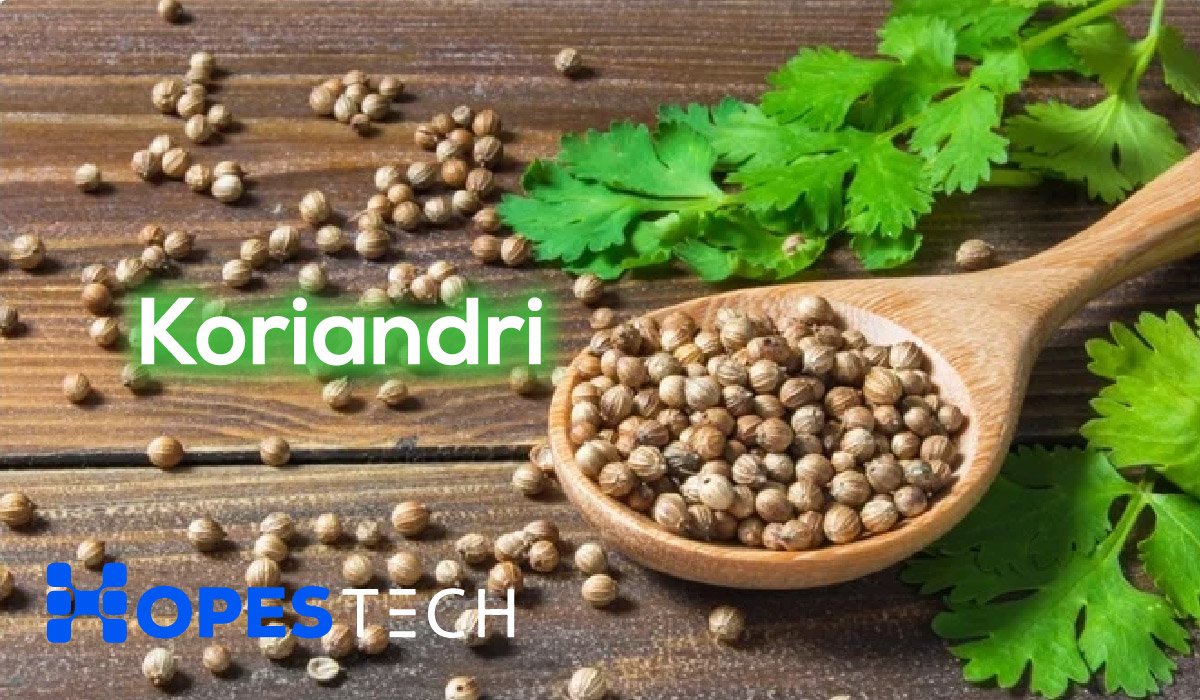
Introduction
Koriandri isn’t just a herb—it’s a timeless treasure in global cuisine and traditional medicine. Known scientifically as Coriandrum sativum, this vibrant herb bridges continents, cultures, and culinary practices. In South Asia, it’s affectionately called “koriandri” or “dhania,” while in the West it is commonly referred to as “coriander” when speaking of its seeds and “cilantro” when discussing its leaves.
This dual identity is more than just linguistic—it reflects the diverse ways this plant is used across different regions. From zesty salsas in Mexico to hearty curries in India, koriandri has become an essential herb in kitchens worldwide. But beyond the kitchen, this plant also has deep roots in ancient medicinal practices, prized for its digestive, anti-inflammatory, and detoxifying properties.
In this comprehensive article, we’ll explore every facet of koriandri—its origins, history, health benefits, culinary versatility, cultivation methods, nutritional composition, genetic curiosities, and even spiritual uses. Whether you’re a home cook, a health enthusiast, or simply curious about global herbs, this guide is your ultimate resource to understanding everything about koriandri.
What Is Koriandri?
Botanical Profile
Koriandri belongs to the Apiaceae family, which also includes parsley, carrots, and celery. It is an annual herb that grows up to 12–24 inches tall, with delicate, feather-like leaves and small clusters of white or pale pink flowers that eventually produce round, light-brown seeds. Scientifically known as Coriandrum sativum, it is native to a region that spans Southern Europe, North Africa, and parts of southwestern Asia.
The plant has a short lifecycle but produces multiple parts that are edible and flavorful: the fresh green leaves (cilantro), the dried seeds (coriander), and even the roots in certain culinary traditions. Each part of the plant has a distinct flavor and aroma, allowing it to serve different roles in cooking and herbal remedies. It is this multifunctional nature that makes koriandri a staple in global herbology and gastronomy.
Terminology Breakdown
The terminology associated with koriandri can often lead to confusion, especially for people unfamiliar with regional names. In South Asian countries like India, Pakistan, and Bangladesh, it is called “koriandri” or more commonly, “dhania.” This term is used for both the fresh leaves and seeds. In the United Kingdom and Europe, “coriander” typically refers to the whole plant or specifically to the seeds.
However, in North America, a clear distinction is made: “cilantro” refers to the green leaves, while “coriander” refers to the seeds. The herb also goes by other names globally: “kuzbara” in Arabic-speaking countries, “gashniz” or “kinwa” in Persian, and “koriander” in German. This wide variety of names reflects its deep integration into multiple cultures and culinary systems.
A Deep Historical Journey of Koriandri
Ancient Civilizations
Koriandri has a recorded history that spans over 7,000 years, making it one of the oldest known herbs used by humans. Archaeologists have discovered coriander seeds in the tomb of King Tutankhamun, indicating its revered status in ancient Egypt. Egyptians used it for both culinary purposes and spiritual protection, often placing it in burial sites for use in the afterlife. The Greeks and Romans also valued koriandri.
It was a key part of Roman military diets because of its ability to preserve meat and mask spoilage during long journeys. In Ayurvedic medicine, koriandri was described as a cooling herb used to balance bodily energies and improve digestion. Meanwhile, Traditional Chinese Medicine (TCM) utilizes it for reducing inflammation and treating nausea. This deep-rooted history illustrates not only its popularity but also the herb’s profound versatility in ancient societies.
Medieval to Modern Spread
As global trade routes like the Silk Road developed, koriandri traveled across continents, becoming an integral part of many regional cuisines. European colonizers and traders brought it to Latin America, where it was embraced in dishes like salsa and guacamole. From Moroccan tagines to Southeast Asian soups, koriandri became a global citizen of the spice world. It found its way into the British spice rack, Latin American food trucks, Middle Eastern bazaars, and Indian households—each adopting it in ways that fit local tastes. Its universal acceptance is a testament to its ability to blend in, yet stand out, in dishes from every corner of the globe.
Where Koriandri Grows – Cultivation & Global Production
Ideal Climate and Soil Conditions
Koriandri grows best in temperate to warm climates, preferring full sunlight and well-drained soil. It thrives in loamy or sandy soil rich in organic matter. The plant is sensitive to heat and tends to bolt quickly in very warm temperatures, producing flowers and seeds earlier than desired for leaf harvest. Ideally, it should be sown during cooler months, either early spring or fall, depending on the region. Regular but not excessive watering is required to maintain soil moisture without causing root rot. It can also be grown indoors with sufficient light, making it suitable for urban gardeners or those with limited space.
Global Producers
India is the world’s leading producer and exporter of coriander, particularly from states like Rajasthan, Madhya Pradesh, and Andhra Pradesh. Other major growers include Mexico, known for its fresh cilantro production; Morocco and Egypt, which cultivate coriander both for domestic use and export; and China, which has rapidly expanded its coriander farming due to demand in Asian cuisine. In the United States, California dominates cilantro production thanks to its ideal growing conditions. In most parts of the world, koriandri is also grown on a smaller scale in home gardens, prized for its freshness and accessibility.
Culinary Uses of Koriandri – A Global Flavor Enhancer
Fresh Leaves (Cilantro)
The fresh green leaves of koriandri are a staple in many dishes worldwide. They are known for their bright, citrusy aroma and are commonly used as a garnish or flavor booster in Mexican, Indian, Thai, Vietnamese, and Mediterranean cuisine. In Indian street foods like chaat, biryani, and lentil soups, cilantro adds a refreshing balance to spicy flavors. In Mexican cuisine, it stars in salsas, tacos, and guacamole. Thai salads and Vietnamese pho also feature koriandri leaves for their fresh, herbal punch. However, due to its delicate nature, the leaves should always be added at the end of cooking to preserve their flavor and nutrients.
Dried Seeds (Coriander)
Koriandri seeds have a completely different flavor profile compared to the leaves. They offer earthy, warm, nutty, and slightly citrusy notes. Toasting the seeds before grinding helps release their aromatic essential oils, intensifying their flavor. Ground coriander is a key component of spice blends such as garam masala, curry powder, berbere, and baharat. It adds depth and complexity to soups, curries, stews, roasted meats, and marinades. In baking, coriander seeds are even used to flavor breads and pastries in some European cuisines.
Coriander Roots
The roots of the koriandri plant, though lesser known, are a culinary secret in Thai and Southeast Asian cooking. They are stronger in aroma than the leaves or seeds and are often mashed into curry pastes or marinades along with garlic, chili, and lemongrass. The roots add a deeper, earthy flavor that is critical in dishes like tom yum soup and green curry.
Nutritional Profile of Koriandri
Vitamins & Minerals
Koriandri is surprisingly rich in nutrients despite its small size. The leaves are an excellent source of Vitamin K, essential for bone strength and blood clotting. They also offer Vitamin A, which supports vision and skin health, and Vitamin C, which enhances immune function. The seeds provide a high amount of dietary fiber, beneficial for digestion, and are rich in calcium, magnesium, potassium, and iron—all vital minerals for maintaining blood pressure, muscle function, and oxygen transport in the body.
Essential Oils
Both the leaves and seeds of koriandri contain essential oils like linalool, cineole, and borneol, which have demonstrated antibacterial, antifungal, and anti-inflammatory properties. These compounds are used in aromatherapy, skincare, and even in natural cleaning products, making koriandri valuable beyond the kitchen.
Health Benefits of Koriandri
Digestive Health
Koriandri has long been revered for its digestive properties. The seeds, in particular, are used in teas and tonics to treat indigestion, bloating, gas, and acid reflux. They help stimulate digestive enzymes and juices, promoting smoother digestion. In traditional medicine systems, koriandri is prescribed after heavy meals or during episodes of gastric distress.
Anti-inflammatory & Antioxidant Effects
The herb’s anti-inflammatory benefits come from its rich concentration of antioxidants such as quercetin and linalool. These compounds reduce swelling and pain in inflammatory conditions like arthritis, while also protecting cells from oxidative stress, which contributes to aging and chronic disease.
Blood Sugar & Heart Health
Scientific studies have shown that coriander seeds may help lower blood glucose levels by enhancing insulin activity. This makes koriandri a helpful dietary addition for people with diabetes or prediabetes. Additionally, it has been found to reduce bad cholesterol (LDL) and increase good cholesterol (HDL), contributing to better heart health.
Detoxification
Koriandri is known to assist the body in detoxifying heavy metals like lead and mercury. This is due to its chelating properties, which help bind and remove toxic substances from the bloodstream and organs, particularly the liver.
Mental Wellbeing
In Ayurveda, koriandri is considered a cooling herb, believed to calm the mind and balance energy. Modern research supports its mild sedative effect, showing that koriandri extract may help reduce anxiety, improve sleep, and alleviate symptoms of stress.
Koriandri in Cultural and Religious Practices
Koriandri holds deep symbolic value in various cultural and religious traditions, far beyond its role as a kitchen staple. In Hindu culture, koriandri—commonly referred to as dhania—is often used in ritual offerings and prayers, particularly during festivals and pujas. Its fresh, green leaves are seen as a sign of purity, freshness, and prosperity. It is not uncommon to find koriandri placed alongside turmeric and other sacred items during religious ceremonies.
In Islamic traditions, coriander seeds are valued for their purifying effects and are mentioned in ancient Islamic medicine (Tibb-e-Nabawi) as having healing and cleansing properties. Beyond formal religion, koriandri appears in folklore and traditional beliefs across Africa, Europe, and Asia.
In some cultures, coriander seeds were carried as good luck charms, believed to ward off evil spirits or bring about fertility. In European witchcraft traditions, it was occasionally used in love potions and spells for attraction. The widespread reverence for this humble herb is a reflection of how deeply embedded it is in spiritual, ritualistic, and healing systems across the globe.
Who Should Use Koriandri? Targeted Wellness Applications
While koriandri is safe for the general population when used in normal food amounts, certain groups can particularly benefit from its unique health properties. People with digestive issues, such as bloating, gas, or irregular appetite, may find koriandri helpful due to its enzyme-stimulating and carminative properties. Its soothing action on the gut has been used for centuries to alleviate stomach discomfort. Individuals managing blood sugar levels, including pre-diabetics and diabetics, can consider koriandri seeds a valuable dietary addition, as some studies show they can enhance insulin function and reduce glucose spikes.
For those with skin problems or inflammation, koriandri’s antibacterial and anti-inflammatory compounds may offer relief when consumed or applied topically in diluted oil form. Additionally, people undergoing detox regimens or dealing with exposure to heavy metals may benefit from koriandri’s reported chelating effects, helping remove harmful substances from the body. Even pregnant women, in moderate culinary use, can enjoy koriandri’s benefits, though concentrated extracts should be avoided without medical advice. Ultimately, koriandri serves a wide range of people looking for natural support for digestion, immunity, and overall wellness.
How to Grow Koriandri at Home (Urban & Garden Tips)
Growing koriandri at home is not only easy but also highly rewarding, especially for those who love fresh herbs at their fingertips. The herb thrives in well-drained soil rich in organic matter and prefers cool to moderate temperatures, making early spring and autumn the best seasons for planting. If you’re growing koriandri in containers, choose pots with good drainage and place them in a sunny spot receiving 4–6 hours of direct sunlight daily. Sow seeds about ¼ inch deep and 2–3 inches apart.
Germination usually occurs within 7 to 10 days, and you can start harvesting the leaves after about 3–4 weeks, once the plant reaches a height of 6 inches. To maintain continuous growth, it’s best to snip leaves from the top without removing the whole plant.
However, koriandri tends to bolt quickly in hot weather, sending up flower stalks that signal the end of leaf production. To harvest seeds, allow the plant to flower and dry completely. For gardeners facing space or climate constraints, koriandri grows well indoors near windowsills, offering year-round greenery with minimal effort. Companion planting with carrots, basil, or tomatoes can enhance growth and pest resistance.
Fresh Leaves vs. Seeds – Flavor and Use Comparison
The unique charm of koriandri lies in its dual personality, offering completely different flavors and uses depending on whether you use its leaves or seeds. The fresh leaves, known as cilantro in many parts of the world, have a citrusy, grassy, and slightly peppery flavor that adds brightness and freshness to dishes.
They are best used raw or added at the end of cooking to preserve their delicate aroma. In contrast, the dried seeds, which are oval and golden-brown, provide an earthy, warm, nutty taste with a subtle lemon note. Seeds are more robust and can handle extended cooking times. They are often toasted and ground to enhance their flavor and used in spice blends, soups, pickles, and marinades. Here’s a quick reference chart:
| Feature | Fresh Leaves (Cilantro) | Dried Seeds (Coriander) |
|---|---|---|
| Flavor | Citrus, grassy, bright | Earthy, warm, nutty |
| Use | Garnish, chutney, salads | Curry blends, pickles, marinades |
| Aroma | Fresh, polarizing for some | Spicy, pleasant, widely accepted |
| Cooking Method | Add at the end | Toast, grind, cook early |
| Storage | Refrigerate or freeze | Airtight container, 6–12 months |
This duality is why koriandri is celebrated by chefs and herbalists alike. It offers both freshness and depth, depending on how and where it’s used.
Why Some People Taste Soap – Genetic Science
Koriandri is one of the few herbs that divides opinion sharply. Some people love its refreshing flavor, while others report that it tastes like soap. This difference isn’t a matter of personal preference—it’s genetic. Around 10 to 15 percent of the global population carries a variant in the OR6A2 gene, which makes them highly sensitive to aldehydes, a group of chemical compounds found in koriandri leaves.
These aldehydes are also present in soaps and detergents, which explains the unpleasant association for some individuals. Interestingly, this gene doesn’t affect everyone the same way, and people who dislike fresh koriandri leaves often have no problem with the seeds, as they contain a different chemical profile.
If you fall into the “soapy taste” group, there are a few workarounds: crushing the leaves into a paste, mixing them with acidic ingredients like lime juice, or simply sticking to coriander seeds instead of fresh leaves. Understanding the genetic basis for taste can help ease the divide around koriandri and create more inclusive recipes for diverse palates.
Storage Tips for Maximum Freshness
Proper storage of koriandri is essential to maintain its flavor, aroma, and nutritional quality. For fresh leaves, the best method is to wrap them in a damp paper towel, then place them in a resealable plastic bag or airtight container and store them in the refrigerator.
This method keeps them fresh for up to 7 days. Another option is to place the stems in a glass of water (like a bouquet) and cover loosely with a plastic bag—changing the water every few days. For long-term use, chop fresh leaves and freeze them in ice cube trays with water or olive oil. Once frozen, store the cubes in freezer-safe bags for up to 3 months.
The seeds, on the other hand, are much easier to store. Keep whole coriander seeds in an airtight glass jar, away from heat and moisture, and they will stay potent for 6 to 12 months. It’s best to grind seeds fresh before use to preserve their volatile oils and aromatic strength. Avoid pre-ground coriander for extended storage, as it loses its flavor quickly.
Final Thoughts
Koriandri is more than just a green garnish or spice rack staple—it is a culinary powerhouse and natural remedy with thousands of years of history and relevance. Its ability to offer two completely different flavor profiles—one from the leaves and one from the seeds—makes it incredibly versatile in dishes from all over the world. But koriandri doesn’t stop at flavor. It is packed with essential nutrients, medicinal compounds, and healing potential, offering support for digestion, inflammation, heart health, blood sugar balance, and even detoxification.
Culturally, it holds symbolic value in rituals, medicine, and folklore, making it one of the few herbs with such a well-rounded identity. Whether you’re growing it on a sunny windowsill, using it in a Thai curry paste, or steeping the seeds for a digestive tea, koriandri adds more than taste—it adds value to your health and heritage. Embracing koriandri means embracing nature’s gift of wellness, history, and flavor, all in one small, fragrant plant.
FAQs About Koriandri
1. What is Koriandri used for?
Koriandri is used for both cooking and health purposes. Its fresh leaves (cilantro) are commonly added to curries, salads, salsas, and soups for flavor, while its dried seeds (coriander) are used as a spice in blends like garam masala and curry powder. In traditional medicine, koriandri is valued for improving digestion, reducing inflammation, and supporting overall wellness.
2. Is Koriandri the same as coriander or cilantro?
Yes, Koriandri, coriander, and cilantro all come from the same plant, Coriandrum sativum. The difference is in naming. In South Asia, it is called Koriandri or Dhania. In the UK and Europe, coriander refers to the whole plant or seeds. In the USA, cilantro means the fresh leaves, while coriander means the seeds.
3. What are the health benefits of Koriandri?
Koriandri offers many health benefits. It helps improve digestion, supports heart health, may help control blood sugar, and contains antioxidants that reduce inflammation. It is also rich in vitamins A, C, and K, which support immunity, skin health, and bone strength.
4. Why does Koriandri taste like soap to some people?
Some people taste soap when eating Koriandri due to a genetic variation in the OR6A2 gene. This gene makes them more sensitive to natural chemicals called aldehydes found in the leaves. This reaction affects about 10–15% of people. Interestingly, coriander seeds usually do not cause this soapy taste.
5. Can Koriandri be grown at home easily?
Yes, Koriandri is very easy to grow at home. It can be grown in pots or gardens using well‑drained soil and sunlight. The seeds germinate in about 7–10 days, and fresh leaves can be harvested within 3–4 weeks. It is one of the best herbs for beginners and urban gardeners.
Read More: Chameleónovité Explained: The Powerful Truth About Color‑Changing Chameleons
For More Information, Visit HopesTech

Why Roaming Can Be a Problem Abroad and How an eSIM Can Help

Do You Really Need a Watch Winder for Your Automatic Watch?

Why Sportswear Is No Longer Limited to Athletes

The Name Necklace Trend Is Back, But More Grown-Up

A Clearer Route to Reliable professional drain clearance and CCTV inspection

Is The High Street Bank Losing Its Grip On UK Business Loans?

How Engineering Firms Are Using Technology to Deliver Faster Projects

Why Elasticated Waists Have Stopped Being the Thing Nobody Admits They Own

Magnific for Enterprise: How Global Brands Are Using AI Creative Production at Scale

Micro-Soldering Tools and iPhone Motherboard Repair: A Complete Guide

TabooTube Explained: The Powerful Platform for Unfiltered Content

SSIS 469: Fixing SQL Data Errors in ETL Workflows

content://cz.mobilesoft.appblock.fileprovider/cache/blank.html: Explained with Powerful Insights

Scrolller Explained: The Powerful Way to Browse Reddit Images

Zavalio com Explained: The Ultimate Truth You Must Know

adswynk com: Monetize Links With Smart Ads in 2025

Deshoptec com Review: Powerful Truth About This Online Store

kz43x9nnjm65: The Smart Code Transforming Digital Technology

Novafork: The Best Free Streaming Site for Movies, Shows & Anime

Milohacherry Coin Explained: The Powerful Lifestyle Crypto Rewarding Travel & Fitness
-
 Blog9 months ago
TabooTube Explained: The Powerful Platform for Unfiltered Content
-
 Blog11 months ago
SSIS 469: Fixing SQL Data Errors in ETL Workflows
-
 Blogs1 year ago
content://cz.mobilesoft.appblock.fileprovider/cache/blank.html: Explained with Powerful Insights
-
 Blog9 months ago
Scrolller Explained: The Powerful Way to Browse Reddit Images