
Blog
Mannacote: The Ultimate Delicious Comfort Food You Must Try

Introduction
Mannacote is not just another baked pasta—it’s a fusion of tradition, nutrition, and emotional connection. At first glance, it may look like a cheesy, saucy indulgence, but from a health and culinary science perspective, Mannacote is a complete, structured meal.
With a perfect balance of complex carbohydrates, complete proteins, fats, and essential micronutrients, this Italian-American dish delivers both flavor and function. In today’s world of mindful eating and culinary nostalgia, Mannacote stands out as a satisfying, customizable meal that resonates with both the heart and the body.
This article explores everything you need to know—from the origins and cultural legacy to recipes, fillings, sauces, health benefits, and even how it fits into modern diets like Mediterranean or high-protein meal plans. Whether you’re a beginner or a seasoned cook, you’ll gain a full understanding of why Mannacote continues to be loved across generations and culinary trends.
What Is Mannacote?
Definition and Key Ingredients
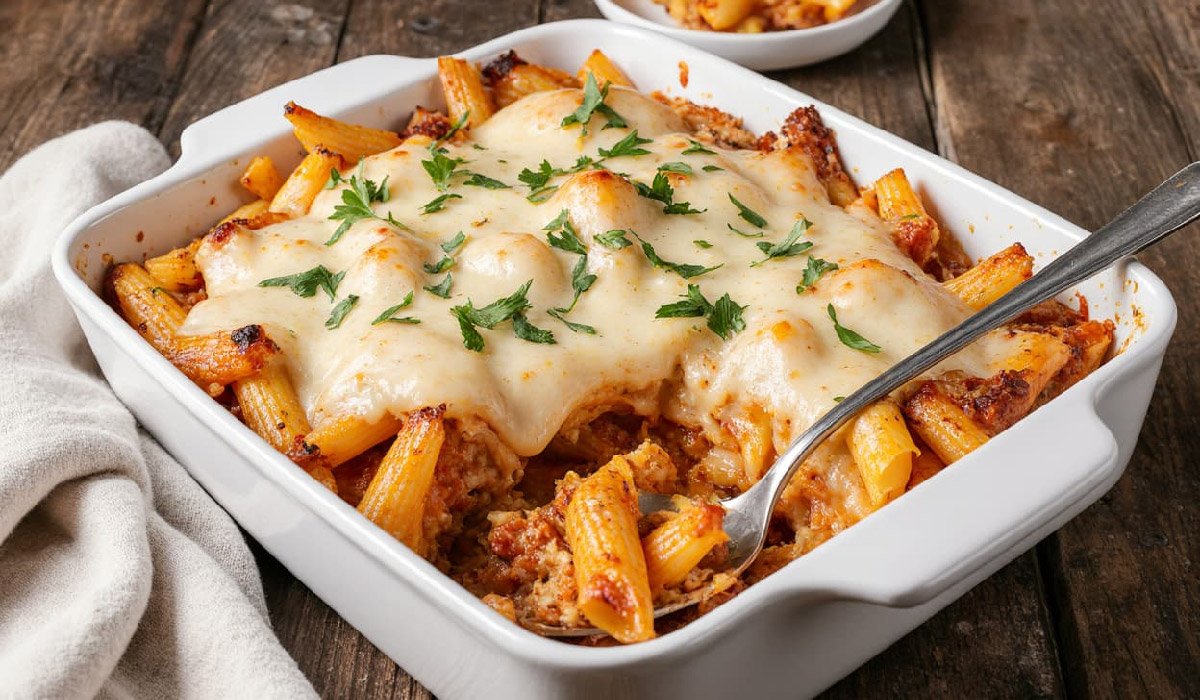
Mannacote is a baked pasta dish made with large pasta tubes or flat pasta sheets that are rolled and stuffed with rich fillings like ricotta cheese, seasoned meats, or vegetables. Once filled, these are nestled in a baking dish, coated with tomato sauce or a creamy béchamel, topped with shredded mozzarella and Parmesan cheese, then baked until golden and bubbling.
Unlike lasagna, which is layered, Mannacote is structured as individually filled pasta units, making it easy to portion and customize. Key ingredients often include ricotta for a creamy protein base, mozzarella for meltiness, tomato sauce for acidity and depth, eggs for structure, and herbs such as parsley and basil for fresh aroma.
How It Differs from Manicotti and Cannelloni
While Mannacote may appear similar to manicotti or cannelloni, it carries distinct cultural and preparation differences. Manicotti typically refers to pre-formed pasta tubes filled and baked, often with more commercial ease. Cannelloni, on the other hand, is of Italian origin and is frequently served with more refined sauces like béchamel or light tomato cream in formal settings. Mannacote is the heartier, more rustic cousin—often handmade in Italian-American homes using hand-rolled pasta sheets or thicker tubes.
The term “Mannacote” itself is a linguistic variant rooted in immigrant communities, especially in cities like New York and Chicago, where pronunciation evolved from dialects and oral tradition rather than formal Italian cuisine.
Historical and Cultural Origins
Southern Italian Roots
The origins of Mannacote trace back to Southern Italy, particularly regions like Campania and Sicily, where pasta-making was a household craft. Families would hand-roll pasta, prepare fresh ricotta from local sheep’s milk, and use seasonal vegetables or cured meats as filling.
These dishes were typically reserved for festive occasions like weddings, Sunday family dinners, or religious feasts. The stuffed pasta format was a way to stretch ingredients while still making something special and indulgent. It was also a practical meal that could be assembled in advance and baked when needed—ideal for large family gatherings.
Italian-American Evolution
When Italian immigrants arrived in the United States in the late 19th and early 20th centuries, they brought their food culture with them. In adapting to American ingredients, ovens, and the abundance of dairy, the dish evolved into what we now know as Mannacote.
It became a staple for Sunday dinners, especially in Italian-American homes in New York, Chicago, and Philadelphia. Mannacote began to symbolize family unity and celebration. Recipes were passed down verbally and evolved in each household. Mozzarella and Parmesan became more prominent, and the fillings became richer due to increased access to meat and dairy. Today, Mannacote is as much a cultural artifact as it is a meal, embodying the story of migration, adaptation, and culinary creativity.
Nutritional Profile and Functional Benefits
Macronutrient Breakdown
A traditional serving of Mannacote delivers a well-balanced macronutrient profile that makes it more than just a comfort food. On average, a portion contains 420–520 calories, 22–28 grams of protein, 38–45 grams of carbohydrates, and 18–24 grams of fat.
This makes it particularly filling and suitable for those seeking a protein-dense, energy-sustaining meal. Ricotta cheese is the main protein contributor, rich in leucine—an amino acid essential for muscle repair. Carbohydrates come from the pasta shells or sheets, offering complex energy that is digested slowly. Fats primarily come from cheese and eggs, contributing flavor and satiety.
Ingredient Functionality
Every ingredient in Mannacote plays a nutritional role. Pasta provides complex carbs for sustained energy. Ricotta and eggs supply complete proteins and fats that enhance muscle recovery and hormone balance. Tomato sauce adds lycopene—a powerful antioxidant known for its cardiovascular benefits.
Parmesan cheese contributes calcium and umami, enhancing both taste and bone health. Fresh herbs like parsley or basil provide micronutrients, including vitamin A and antioxidants. When prepared with care, Mannacote becomes a nutrient-dense, functional meal suitable for active lifestyles.
Diet Compatibility
Mannacote fits well into several modern dietary frameworks. It aligns beautifully with the Mediterranean diet, which emphasizes plant-forward meals, healthy fats, and whole foods. It’s also great for high-protein or balanced macro diets when made with part-skim cheeses and lean meat fillings. For calorie-conscious eaters, swapping in veggie-based pasta or light sauces keeps it within dietary limits. It’s a rare dish that satisfies emotional cravings and nutritional standards at the same time.
How to Make Mannacote at Home
Traditional Recipe (Step-by-Step)
Making Mannacote at home is easier than it appears. Begin by boiling pasta tubes until al dente—firm enough to hold filling without breaking. Meanwhile, mix ricotta with Parmesan, eggs, fresh parsley, and salt. Fill the pasta tubes using a spoon or piping bag. Spread tomato sauce in a baking dish, arrange the filled tubes, top with more sauce and mozzarella, and bake at 375°F (190°C) for 30–40 minutes until bubbly and golden. Let it rest for 10 minutes before serving. This layering technique locks in moisture and enhances the depth of flavor.
Kitchen Tools and Tips
Use ceramic or cast-iron baking dishes for even heat and crispy edges. A piping bag helps fill tubes cleanly and quickly. Avoid overfilling, as it can cause the pasta to burst during baking. Don’t overcook the pasta beforehand; it continues to soften while baking. Also, always allow Mannacote to rest after baking—this helps fillings set and prevents runny servings. If you’re meal-prepping, prepare extra sauce to add moisture when reheating leftovers.
Modern Variations and Creative Twists
Trending 2026 Variations
With rising interest in functional foods, Mannacote has evolved. High-protein versions feature egg whites or lean ground turkey mixed into the filling. Gluten-free options use rice pasta or lentil-based shells. Vegan Mannacote substitutes cashew ricotta and tofu for dairy. A popular variation includes spinach-ricotta filling, which adds fiber and iron. These versions maintain flavor while meeting diverse dietary needs, making Mannacote more inclusive than ever.
Chef-Inspired Twists
Creative chefs are elevating Mannacote with gourmet ingredients. Fillings now include mushrooms, crab, pumpkin purée, or even truffle oil for luxury flair. Sauces have expanded beyond marinara to include walnut cream, sage brown butter, or sun-dried tomato pesto. These upscale innovations are often seen in modern Italian-American restaurants and prove that Mannacote can be both rustic and refined.
Fillings Deep Dive – What Can You Stuff It With?
Vegetarian Options
Classic vegetarian fillings include ricotta and spinach, but modern kitchens are using roasted peppers, artichokes, zucchini, and eggplant. These vegetables add texture, fiber, and a layer of earthy flavor. Using herbs like thyme, oregano, or basil elevates the taste and freshness. Vegetarian versions are lighter but still deeply satisfying.
Protein-Rich Options
For meat lovers, Mannacote shines when stuffed with Italian sausage, ground beef, lamb, or shredded chicken. These fillings are often combined with cheeses and herbs for a rich, hearty bite. They also raise the protein count significantly, making the dish suitable for muscle maintenance and recovery meals.
Seasonal Experiments
Seasonal ingredients allow home cooks to reimagine Mannacote year-round. In the fall, pumpkin and chestnut fillings offer warmth and depth. In summer, light ricotta-herb mixes with lemon zest make it fresh and vibrant. These adaptations show the dish’s incredible versatility and seasonal appeal.
Sauces to Complement Mannacote
Tomato-Based Sauces: Classic and Versatile
The most popular and traditional sauce for Mannacote is a rich, slow-cooked tomato-based sauce. A simple marinara made with crushed tomatoes, garlic, olive oil, and fresh basil brings brightness and acidity that perfectly balances the creamy cheese filling. For those who enjoy heat, arrabbiata sauce—made with red pepper flakes—adds a spicy kick without overpowering the dish.
A tomato-basil blend offers a sweeter, herbaceous note, especially when using fresh tomatoes during the summer months. These sauces not only elevate flavor but also provide lycopene, a heart-healthy antioxidant found in cooked tomatoes, aligning Mannacote with Mediterranean dietary principles.
Cream-Based Sauces: Rich and Decadent
For a more indulgent twist, cream-based sauces like béchamel, Alfredo, or garlic Parmesan cream can be used with Mannacote. These sauces are especially popular with seafood fillings like crab or prawn, as they add a velvety texture that complements delicate proteins. A béchamel sauce, made from butter, flour, and milk, creates a smooth, mellow contrast to robust fillings like sausage or ground beef. These creamy alternatives are often featured in modern restaurant interpretations of Mannacote and help turn the dish into an elegant centerpiece for special occasions.
Gourmet Sauce Ideas: Modern Flavors
Contemporary chefs often experiment with inventive sauces to give Mannacote a modern edge. Sun-dried tomato pesto offers a tangy, nutty twist, while walnut cream sauce adds earthy richness and depth. Sage brown butter sauce pairs beautifully with seasonal fillings like pumpkin or butternut squash. These innovative sauces highlight Mannacote’s flexibility and its ability to bridge rustic roots with gourmet finesse. For vegan versions, sauces made from cashew cream, almond milk, or even roasted red pepper purée can deliver satisfying creaminess without dairy.
Regional and Cultural Styles
Regional Styles in Italy
While Mannacote is primarily known as an Italian-American dish, its roots are inspired by regional Italian cooking. In Naples, variations use soft mozzarella and robust tomato sauces, often topped with fresh basil to honor the Neapolitan culinary tradition.
Tuscan-style Mannacote leans rustic, with fillings like spinach and local pecorino cheese, reflecting the region’s farm-to-table philosophy. In Sicily, the dish is often spicier and includes ingredients like eggplant, anchovies, or sardines, blending Mediterranean flavors into every bite. These regional inspirations keep Mannacote grounded in Italian authenticity while offering a wide array of taste profiles.
Italian-American Adaptations
In the United States, Italian-American families redefined Mannacote to reflect both tradition and availability. With abundant access to dairy and meat, the dish evolved to include more cheese, richer sauces, and larger portions. It became a staple in Sunday dinners, wedding feasts, and holiday celebrations.
Restaurants in Little Italy neighborhoods across cities like New York and Chicago still serve Mannacote as a house special, often with a side of garlic bread and a glass of red wine. These adaptations underscore the dish’s cultural significance and how food can serve as a bridge between heritage and assimilation.
Is Mannacote Healthy? A Nutrition Science Perspective
Structured Indulgence Concept
From a nutritional science point of view, Mannacote is a prime example of structured indulgence—a satisfying comfort food with modifiable health benefits. It offers high satiety, meaning it keeps you full for longer, especially when protein-rich fillings are used.
When made at home with smart ingredient choices, Mannacote can outperform many pasta dishes in terms of protein density, glycemic control, and nutrient retention. Studies from 2026 on dietary behavior confirm that balanced pasta meals like Mannacote help regulate blood sugar levels better than plain white pasta with minimal toppings.
Optimization Tips for Better Health
To maximize the health benefits of Mannacote, nutritionists recommend using part-skim ricotta, which lowers saturated fat without sacrificing texture. Opt for a slow-simmered, low-sodium tomato sauce to reduce excess salt, and limit the top layer of cheese to a modest sprinkle of mozzarella or pecorino.
Including fiber-rich vegetables like spinach, zucchini, or mushrooms in the filling improves digestion and balances the dish. These small adjustments make Mannacote not only comforting but also compatible with weight management, muscle recovery, and heart-healthy diets.
Storage, Meal Prep, and Leftovers
Storage Tips
One of the most convenient aspects of Mannacote is how well it stores. Cooked Mannacote can be refrigerated for up to 3 days when tightly covered. If you’re planning meals in advance, it’s best to assemble the dish without baking it, then freeze it for up to a month. Use a freezer-safe, oven-ready dish and wrap tightly in foil to prevent freezer burn and moisture loss. Labeling with date and reheating instructions makes it even easier during busy weeks or festive gatherings.
Reheating Guide
To reheat Mannacote while preserving its flavor and texture, place it in a preheated oven at 350°F (175°C), covered with foil to retain moisture. Add a small amount of tomato sauce or water around the edges to prevent drying out. Avoid microwaving if possible, as it can create uneven heating and rubbery textures. For the best results, allow frozen Mann acote to thaw overnight in the refrigerator before baking. These techniques ensure that every reheated serving is just as satisfying as the first.
What to Serve with Mannacote
Best Side Dishes
To create a complete and balanced meal, pair Mannacote with simple and refreshing side dishes. Garlic bread or crusty Italian loaves offer a crunchy contrast to the soft pasta. A crisp Caesar salad, arugula salad with lemon vinaigrette, or roasted vegetables like broccoli, carrots, or Brussels sprouts add color and nutrients to the plate. These accompaniments help balance the richness of the main dish while enhancing the dining experience.
Wine Pairings
For a perfect culinary pairing, serve Mannacote with wine that complements its sauce. Chianti or Sangiovese pairs beautifully with tomato-based versions, offering bright acidity and earthy tones. For creamy or mushroom-based Mann acote, a Pinot Grigio or Prosecco adds a refreshing touch. If you’re enjoying a seafood version, try a Vermentino or Chardonnay. These wines elevate the meal, creating a restaurant-quality experience at home.
Cultural Meaning and Emotional Connection
Family Traditions
Mannacote holds a special place in the hearts of Italian-American households. It’s not just a meal—it’s a ritual, a memory, and a bonding experience. Preparing Mannacote is often a multi-generational activity, with children helping to fill the pasta and grandparents overseeing the sauce. These kitchen moments strengthen family ties and keep culinary traditions alive. In many families, the recipe is passed down through oral history, making it a cherished heirloom.
Holiday Staple
During holidays like Christmas, Easter, or weddings, large trays of Mannacote are baked to feed extended family and guests. Its comforting warmth and hearty flavor make it ideal for festive gatherings. The act of sharing Mann acote becomes symbolic of unity, generosity, and cultural pride. These traditions continue today, keeping the spirit of community alive through food.
Why Mannacote Still Matters Today
Even in the age of fast food, high-tech kitchens, and modern diets, Mannacote remains relevant. Its ability to adapt to gluten-free, vegan, or high-protein preferences makes it timeless and inclusive. It appeals to nostalgic eaters looking for home-cooked comfort, health-conscious individuals seeking balanced meals, and curious foodies exploring culinary heritage. Mann acote bridges the gap between indulgence and wellness, old-world charm and new-age nutrition. It is more than a dish—it is a story of tradition, adaptation, and joy on a plate.
Conclusion
Mannacote is far more than a comforting baked pasta—it’s a dish that embodies culture, family, flavor, and wellness all in one. Born from Southern Italian traditions and reborn in Italian-American kitchens, Mann acote has evolved into a versatile, nutrient-balanced meal that fits into modern lifestyles without sacrificing its heritage.
From the richness of creamy ricotta and the brightness of tomato sauce to the way it gathers families around the table, this dish captures the heart of what food should be: nourishing, memorable, and made with love.
Whether you follow the classic ricotta recipe, explore high-protein or gluten-free versions, or bake a vegan variation, Mannacote is endlessly adaptable. It’s perfect for Sunday dinners, festive holidays, or meal prepping for the week ahead. With smart ingredient choices and a bit of preparation, Mann acote can be both indulgent and health-conscious. Most importantly, it connects generations, carries forward tradition, and proves that great food can be both timeless and timely.
FAQs About Mannacote
1. What is Mannacote?
Mannacote is a baked stuffed pasta dish filled with cheese, meat, or vegetables and covered with sauce and melted cheese. It is especially popular in Italian-American cooking and is often served during family meals and holidays.
2. Is Mannacote the same as manicotti?
No, manicotti and manicotti are very similar but not exactly the same. Mannacote is usually considered an Italian-American home-style version, often made with thicker pasta and richer fillings. Manicotti is the more commonly used restaurant or commercial name.
3. Is Mannacote a healthy meal?
Mannacote can be healthy when prepared with balanced ingredients. Using part-skim ricotta, adding vegetables like spinach, and controlling portion size can make Mannacote a nutritious meal that provides protein, energy, and important vitamins.
4. Can Mannacote be made ahead of time?
Yes, Mannacote is perfect for meal preparation. You can assemble it one day before cooking and keep it in the refrigerator. It can also be frozen before baking and cooked later, which makes it great for busy schedules or special occasions.
5. Can Mannacote be made gluten-free or vegan?
Yes, Mannacote can be easily adapted for special diets. Gluten-free pasta or vegetable slices like zucchini can replace traditional pasta. For vegan versions, dairy cheese can be replaced with cashew ricotta, tofu, or plant-based cheese alternatives while still keeping the dish flavorful and satisfying.
For More Information, Visit Hopestech

Brians Club Guide – Can You Use an ATM Card for Online Payments

Top-Rated Architects in Surrey: Complete Homeowner’s Guide to Planning and Design Services

Best Recovery Tool for UK Athletes: Why Red Light Therapy Is Changing the Game

When AI Code Generators Actually Help Python Developers

Local Security Experts Highlight Importance of Smart Home Integration

A Fresh Start With Dr MFO For Your Gender Affirmation

How Technology Is Transforming The Modern Cruise Experience

Balancing Budget and Lifestyle: A Practical Approach to Property Decisions

Navigating the Tech-Driven Evolution of Global Entertainment Platforms

5 Reasons an Online GMAT Course Is Ideal for Working Professionals

TabooTube Explained: The Powerful Platform for Unfiltered Content

SSIS 469: Fixing SQL Data Errors in ETL Workflows

content://cz.mobilesoft.appblock.fileprovider/cache/blank.html: Explained with Powerful Insights

Scrolller Explained: The Powerful Way to Browse Reddit Images

Zavalio com Explained: The Ultimate Truth You Must Know

adswynk com: Monetize Links With Smart Ads in 2025

Deshoptec com Review: Powerful Truth About This Online Store

Milohacherry Coin Explained: The Powerful Lifestyle Crypto Rewarding Travel & Fitness

Novafork: The Best Free Streaming Site for Movies, Shows & Anime

kz43x9nnjm65: The Smart Code Transforming Digital Technology
-
 Blog3 months ago
TabooTube Explained: The Powerful Platform for Unfiltered Content
-
 Blog5 months ago
SSIS 469: Fixing SQL Data Errors in ETL Workflows
-
 Blogs6 months ago
content://cz.mobilesoft.appblock.fileprovider/cache/blank.html: Explained with Powerful Insights
-
 Blog3 months ago
Scrolller Explained: The Powerful Way to Browse Reddit Images