
Health
The Hidden Medical Conditions Linked to Hair Loss

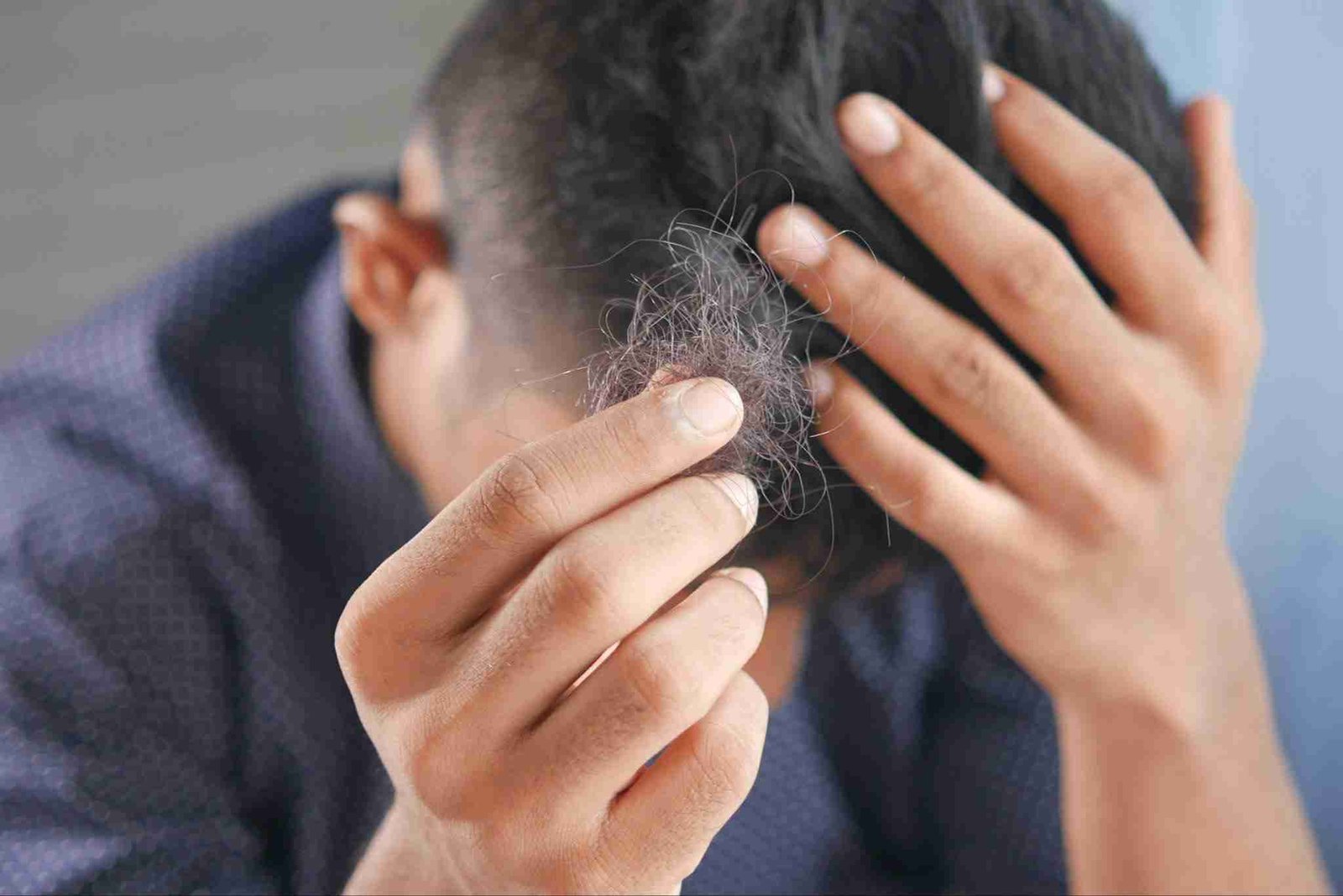
Genetics or ageing are usually the leading causes of hair loss, but there are a number of medical conditions that can give rise to hair loss without being so apparent. These latent triggers break the natural hair growth cycle, causing thinning or shedding, which is not noticeable until it becomes apparent. Knowing such circumstances will lead to an early intervention and avoid irreparable harm.
Identifying Underlying Causes and Exploring Solutions
There are medical conditions that slowly influence the health of follicles. These concealed aspects can be identified early enough and can be managed. In addition to clinical treatment, cosmetic solutions, including non-surgical hair replacement systems, can restore appearance while the underlying condition is addressed.
The most common early signs are excessive daily shedding, thinning at the temples or the crown, alterations in hair texture, slow growth and continued irritation of the scalp. Early detection of these signs provides the opportunity to treat the illness and make them temporary cosmetic solutions.
Thyroid Disorders
Hypothyroidism and hyperthyroidism affect the density of hair. Thyroid hormones control metabolism, which affects follicle activity. At extreme levels, hair can become brittle, dry and shed easily.
Hair loss associated with thyroid disease targets the scalp and, in others, the outer third of the eyebrows. Since the symptoms are slow to develop, many individuals do not associate the loss of hair with thyroid disease. Hormonal imbalance can be confirmed by taking blood tests and treatment directed.
Autoimmune Diseases
Healthy hair follicles can be attacked by autoimmune disorders without any symptoms. One of the main ones is alopecia areata, which causes acute, patchy baldness. Diffuse thinning may also be caused by lupus and other autoimmune disorders.
The body wrongly recognises follicles, and the immune system causes the follicles to shed too early. The initial dermatological treatment enhances the chances of follicle regeneration and minimises the chances of follicle loss in the long-term.
Hormonal Imbalances
Hair thinning may occur in such conditions as polycystic ovary syndrome (PCOS) in women or high androgen levels in men. Dihydrotestosterone (DHT) has an increase that reduces the growth phase and shrinks the follicles.
Hormonal imbalance can also be subtle, and include slower growth, a decrease in density, or even thinness in particular regions. Blood tests and medical examinations are used to determine the imbalance and treatment that may be used.
Nutritional Deficiencies
The non-iron deficiencies may also negatively affect the health of the follicles. Inadequate protein intake or low levels of vitamin D, zinc, and vitamin B12 interfere with the formation of keratin and the metabolism of follicles.
Diffuse hair loss inthe form of telogen effluvium can be brought on by crash dieting, restrictive eating or rapid weight loss. Proper nutritional deficiency replenishes the growth cycle and favours regrowth.
Chronic Illness and Medications
There are some chronic conditions, like diabetes or liver disease, which influence the quality and density of hair. Drugs, such as anticoagulants and chemotherapy (and certain antidepressants), can cause follicles to enter the resting follicle phase, leading to temporary or long-term shedding. Comprehension of the side effects of medication is what differentiates medical treatable causes of hair loss from genetic ones.
Stress and Scalp Conditions
Excessive cortisol levels due to long-term stress interfere with follicle signalling and prolong the shedding phase. The inflammatory conditions of the scalp, including seborrhoeic dermatitis and psoriasis, debilitate follicles, diminish blood flow, and restrict the supply of nutrients.
Stress treatment and scalp care at the early stages will save the remaining hair and reduce premature thinning.
Professional Assessment and Early Intervention
It is essential to evaluate the medical condition at an early stage. A professional is able to evaluate the scalp condition, patterns of growth, nutrition and hormonal or autoimmunogenic influences. Non-surgical solutions are immediate when cosmetic issues are involved in treatment. Professional evaluation is also brought to bear in the treatment involving providers like Tru Hair, which provides an individual combination of aesthetic and medical care to preserve the appearance as underlying conditions are taken care of.
Conclusion
Hair loss may not necessarily be hereditary or age-related. Unnoticed health disorders- thyroid disorders, autoimmune disorders, hormonal imbalance, nutritional deficiencies, chronic health conditions, and stress- can have severe effects on the health of follicles.
Early identification of symptoms like excessive shedding, retarded growth, thinning or irritation of the scalp will be put in check in time. Medical treatment addresses root causes, while non-surgical hair replacement systems offer immediate cosmetic improvement. Professional service providers such as TruHair guarantee individual treatment where diagnosis, treatment and restoration of appearance are to avert irreversible loss of hair.

How to Fix “Error Connecting to Server” on WebRTC Video Chats

Scaling Modern Applications: A Guide to Microservices and AWS Expertise

Evaluating a Fast Turn PCB Partner for High-Frequency Applications

Why Roaming Can Be a Problem Abroad and How an eSIM Can Help

Do You Really Need a Watch Winder for Your Automatic Watch?

Why Sportswear Is No Longer Limited to Athletes

The Name Necklace Trend Is Back, But More Grown-Up

A Clearer Route to Reliable professional drain clearance and CCTV inspection

Is The High Street Bank Losing Its Grip On UK Business Loans?

TabooTube Explained: The Powerful Platform for Unfiltered Content

SSIS 469: Fixing SQL Data Errors in ETL Workflows

content://cz.mobilesoft.appblock.fileprovider/cache/blank.html: Explained with Powerful Insights

Scrolller Explained: The Powerful Way to Browse Reddit Images

Zavalio com Explained: The Ultimate Truth You Must Know

adswynk com: Monetize Links With Smart Ads in 2025

Deshoptec com Review: Powerful Truth About This Online Store

kz43x9nnjm65: The Smart Code Transforming Digital Technology

Novafork: The Best Free Streaming Site for Movies, Shows & Anime

Milohacherry Coin Explained: The Powerful Lifestyle Crypto Rewarding Travel & Fitness
-
 Blog10 months ago
TabooTube Explained: The Powerful Platform for Unfiltered Content
-
 Blog12 months ago
SSIS 469: Fixing SQL Data Errors in ETL Workflows
-
 Blogs1 year ago
content://cz.mobilesoft.appblock.fileprovider/cache/blank.html: Explained with Powerful Insights
-
 Blog10 months ago
Scrolller Explained: The Powerful Way to Browse Reddit Images