
Business
How office occupancy data helps businesses use workspace more effectively

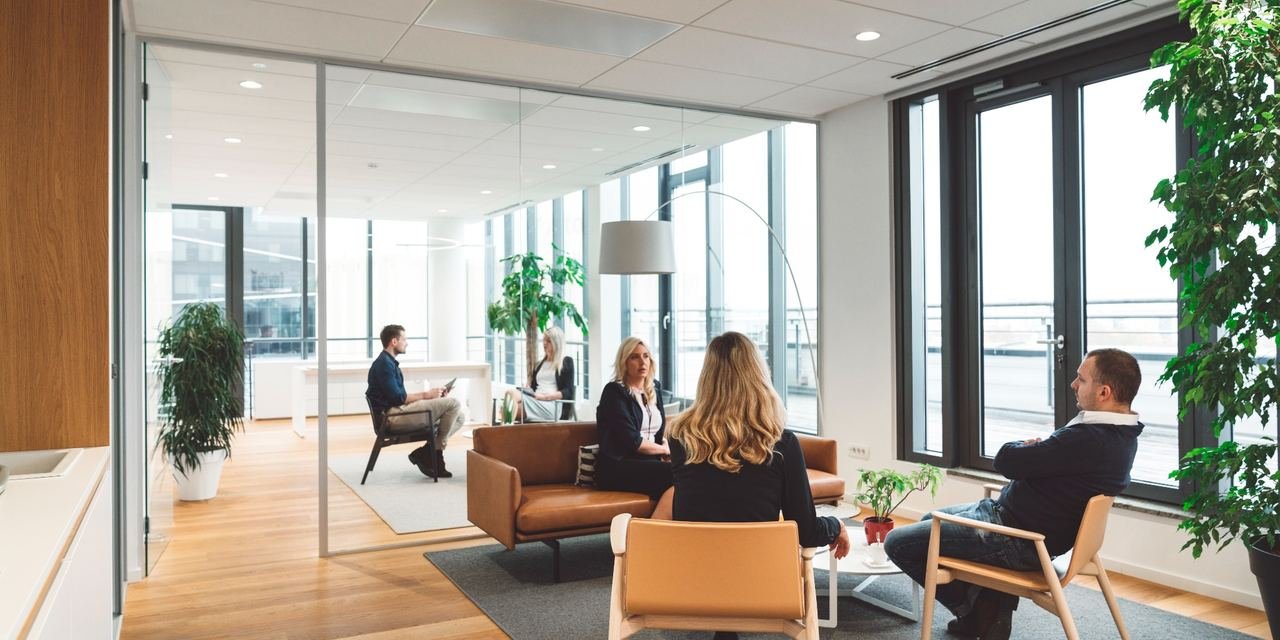
Office space is one of the largest fixed costs for many businesses. Yet in many workplaces, desks sit empty for much of the week while meeting rooms are hard to book on busy days. Hybrid working has made this harder to manage. Staff may come in on Tuesday and Wednesday, while Monday and Friday remain quiet. Without clear data, leaders often rely on guesswork when they plan space, budgets and workplace policies.
Empty desks still cost money
An unused desk is not free. It still takes up floor space. It still needs heating, lighting, cleaning, maintenance and equipment. When large parts of an office remain empty, the business pays for space that does not support daily work.
This does not mean every company should cut space straight away. It means each business should understand how the office is used before making decisions. With analyse office occupancy, businesses can see real usage patterns and make choices based on evidence rather than assumptions.
Hybrid work has changed office demand
Hybrid work has given employees more freedom. Many people now split their week between home and the office. This can improve focus, reduce travel and support a better work-life balance. It also changes how much office space a company needs.
The challenge is that demand is uneven. Some days feel crowded. Other days feel almost empty. One team may need project space, while another needs quiet desks for calls. A fixed desk model often does not fit this pattern anymore. Office occupancy data helps leaders understand when people come in, which areas they use and where pressure points appear.
Guesswork leads to poor space planning
Managers often form opinions based on what they see during a short walk through the office. If they visit on a busy day, they may think the company needs more space. If they visit on a quiet day, they may think the office is too large. Both views can be wrong.
Good data shows the full pattern. It reveals average use, peak use and low-use areas. It also shows which types of spaces are in demand. A business may find that it has enough desks but not enough small meeting rooms. It may find that one floor is popular because it has better light, better equipment or easier access to teams. These details matter.
Office occupancy data supports better decisions
Office decisions can have long-term effects. Lease agreements, refurbishments and relocation plans all cost money. A decision based on limited information can lock a business into the wrong setup for years.
Occupancy data gives leaders a clearer view before they act. They can see whether the business really needs more space, less space or a better layout. They can compare office use across teams, floors and time periods. This makes planning more grounded and easier to explain to finance, HR and senior management.
Data can reveal hidden waste
Some waste is easy to see. Empty desks are visible. Other waste is less clear. A large boardroom may be booked every day, but it may often host only two or three people. A quiet zone may exist on paper, but staff may avoid it because it is too noisy. A collaboration area may look attractive, but rarely support real work.
Occupancy data helps uncover these issues. It shows how space is used in practice, not just how it was designed. This helps businesses adjust the workplace to match real behaviour.
Better use of space can reduce costs
Office costs go far beyond rent. Businesses also pay for utilities, furniture, repairs, security, cleaning and technology. When space is poorly used, these costs rise without adding value.
By using occupancy data, companies can decide where to reduce waste. They may close part of a floor on quiet days. They may change cleaning schedules based on use. They may reduce the number of fixed desks and add shared spaces that support teamwork. In some cases, they may reduce the total office footprint when a lease comes up for review.
Cost saving should not come at the expense of employee experience. A smaller office that works well is often better than a large office that feels empty, confusing or poorly planned.
Employees need confidence before travelling in
For employees, the office must be worth the trip. They want to know that a suitable desk is available. They may also want to sit near their team, book a room, take video calls or work in a quiet area. If the office feels unpredictable, people may choose to stay at home.
A workplace platform such as Flexwhere.com can help staff plan their office days with more confidence. When people can see available spaces and plan where to work, the office becomes easier to use. This supports a smoother hybrid working routine.
Team planning becomes easier
Hybrid work can weaken team contact when office days are not planned well. One employee may travel in for a team discussion, only to find that key colleagues are working from home. Another may need support from a manager who is not present that day.
Office occupancy data helps teams plan shared days. Managers can see when people tend to be in the office and adjust team routines. This does not mean forcing everyone back five days a week. It means giving teams enough structure to make office time useful.
Shared office days should have a clear purpose
A busy office is not always a productive office. If staff come in only to sit on video calls all day, the office may not be adding much value. Shared office days work best when they support tasks that benefit from being in person.
These tasks may include planning sessions, creative work, training, mentoring, client meetings and team reviews. Occupancy insight helps businesses align space and attendance with these activities. The result is a more useful office day.
Facilities teams gain a clearer view
Facilities teams often deal with the practical side of workplace use. They manage desks, meeting rooms, maintenance, cleaning, supplies and layout changes. Without good data, they may receive complaints without knowing the cause.
For example, staff may say there are not enough desks. Data may show that desks are available, but not in the areas people prefer. Staff may complain that meeting rooms are always full. Data may show that rooms are booked but often not used. These findings help facilities teams fix the real problem.
Meeting rooms need special attention
Meeting rooms are often a source of frustration. Larger rooms may be used by small groups. Rooms may be booked for meetings that never happen. Some rooms may be popular because they have better screens, better sound or more privacy.
Occupancy data can show how meeting rooms are used. This helps companies change room sizes, improve equipment or set better booking rules. Small changes can free up space and reduce daily irritation.
Workplace data supports sustainable choices
Sustainability is another reason to understand office use. Empty space still consumes energy. Heating, cooling and lighting unused areas creates waste. Businesses that measure occupancy can match building services more closely to demand.
This may include adjusting energy use on quiet days, closing unused zones or planning cleaning based on real activity. These steps can reduce environmental impact while also cutting costs. For companies with sustainability targets, office occupancy data gives practical evidence for action.
Privacy must be handled with care
Workplace data can raise concerns. Employees may worry that occupancy tracking is used to monitor individual behaviour. Businesses should address this openly. The aim should be to understand space use, not to judge people.
Clear communication is important. Staff should know what data is collected, why it is collected and how it is used. The company should explain that the purpose is to improve the workplace, support hybrid work and reduce waste. When this is handled well, trust is easier to maintain.
Focus on patterns, not personal tracking
The most useful occupancy data is often about patterns. Which days are busiest? Which zones are used most? Which spaces are under pressure? Which rooms are often empty?
These insights do not need to focus on personal performance. They help leaders improve the office for everyone. A responsible approach protects employee trust while still giving the business valuable information.
Office data helps with future growth
Businesses change. Teams grow, projects shift and new ways of working appear. An office that fits today may not fit next year. Occupancy data helps companies plan ahead with more confidence.
A growing business may discover that it can support more staff without taking extra space, as long as hybrid work is managed well. Another business may learn that it needs more collaboration space and fewer fixed desks. A company preparing for relocation can use data to choose the right size and layout for its next office.
A better workplace starts with real usage insight
Office space should serve the people who use it. It should support focus, teamwork, meetings, learning and culture. When a business does not understand how its office is used, it risks spending too much on space that does too little.
Office occupancy data gives companies a clearer way forward. It shows where space is wasted, where demand is high and how employees really use the workplace. This helps leaders reduce costs, improve planning and create an office that fits modern work.
Businesses get more value from every square metre
The best office is not always the largest one. It is the office that supports the right work at the right time. With reliable occupancy data, businesses can make better choices about desks, meeting rooms, team days and long-term space needs.
Hybrid work will keep changing how offices are used. Companies that measure and learn from real office behaviour will be better placed to adapt. They can remove waste, support employees and make every square metre work harder.

Scaling Modern Applications: A Guide to Microservices and AWS Expertise

Evaluating a Fast Turn PCB Partner for High-Frequency Applications

Why Roaming Can Be a Problem Abroad and How an eSIM Can Help

Do You Really Need a Watch Winder for Your Automatic Watch?

Why Sportswear Is No Longer Limited to Athletes

The Name Necklace Trend Is Back, But More Grown-Up

A Clearer Route to Reliable professional drain clearance and CCTV inspection

Is The High Street Bank Losing Its Grip On UK Business Loans?

How Engineering Firms Are Using Technology to Deliver Faster Projects

TabooTube Explained: The Powerful Platform for Unfiltered Content

SSIS 469: Fixing SQL Data Errors in ETL Workflows

content://cz.mobilesoft.appblock.fileprovider/cache/blank.html: Explained with Powerful Insights

Scrolller Explained: The Powerful Way to Browse Reddit Images

Zavalio com Explained: The Ultimate Truth You Must Know

adswynk com: Monetize Links With Smart Ads in 2025

Deshoptec com Review: Powerful Truth About This Online Store

kz43x9nnjm65: The Smart Code Transforming Digital Technology

Novafork: The Best Free Streaming Site for Movies, Shows & Anime

Milohacherry Coin Explained: The Powerful Lifestyle Crypto Rewarding Travel & Fitness
-
 Blog10 months ago
TabooTube Explained: The Powerful Platform for Unfiltered Content
-
 Blog11 months ago
SSIS 469: Fixing SQL Data Errors in ETL Workflows
-
 Blogs1 year ago
content://cz.mobilesoft.appblock.fileprovider/cache/blank.html: Explained with Powerful Insights
-
 Blog10 months ago
Scrolller Explained: The Powerful Way to Browse Reddit Images