
Business
What to Look for in AI Voiceover Software for Commercial Content

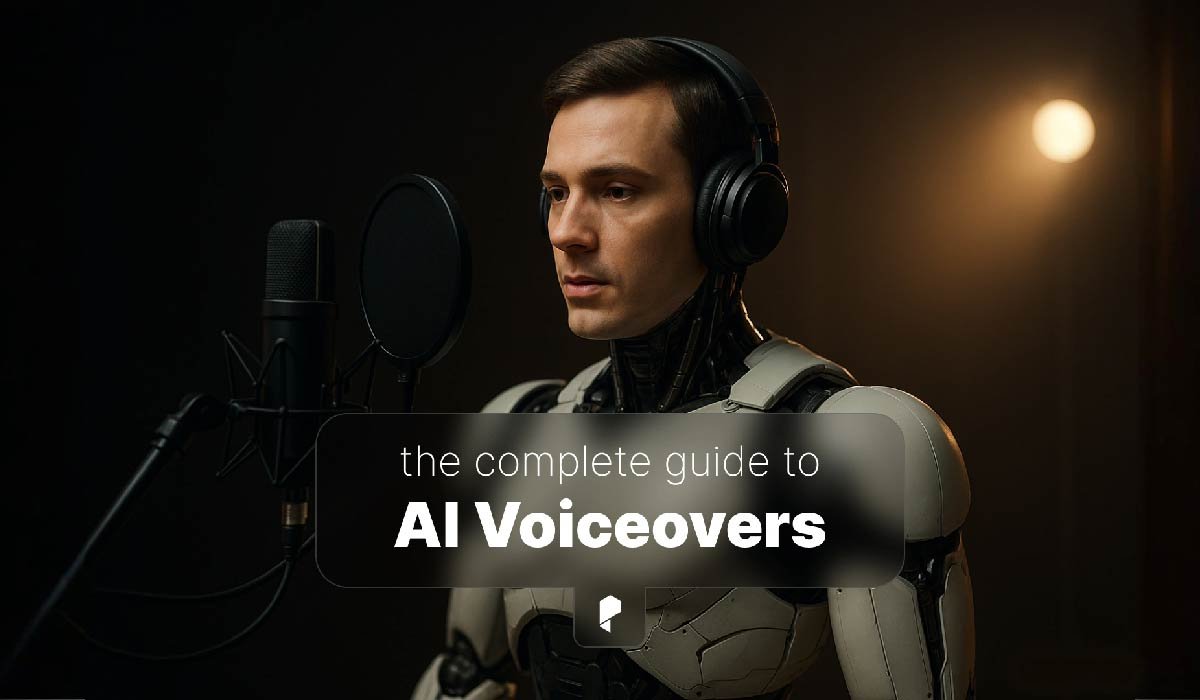
When picking AI voiceover software for commercial content, it’s smart to focus on evaluating voice realism and quality. How believable and listenable is the speech for your audience? Let’s break down what matters most here.
Naturalness of Speech Output
Notice if the AI voiceover software produces speech that sounds conversational, not robotic or flat. Look for natural pacing, clear pronunciation, and flow. Software that stumbles on complex sentences or struggles to keep sentences smooth might hurt your message.
- Listen for irregular pauses or awkward syllable stress.
- Run the same script through different voices to rate which feels most lifelike.
- Check if the system manages difficult terms or acronyms gracefully.
Ability to Express Emotions and Nuance
Commercial content needs more than just clear words. It needs the voice to match the script’s emotion—whether upbeat for a promo, serious for a public service spot, or calm for a training video. AI voiceover software should give you some control over mood and tone. Some platforms let you adjust excitement, sadness, or urgency directly from the settings.
Great voiceover makes listeners forget they’re hearing a machine, connecting them with real emotion instead.
Consistency Across Long-Form Content
Random shifts in vocal tone or mispronunciations over a longer script can break the listener’s trust. Testing consistency across several paragraphs shows if the system stays steady. For large projects, review:
- Can the software maintain the same energy and pitch throughout?
- Does pronunciation remain constant?
- Are there any distracting changes in volume or speed mid-way through content?
| Test Area | What to Check | Pass Criteria | |
| Pronunciation | Hard terms, brand names, repetition | No errors | |
| Tone Consistency | Same emotion start to finish | Stable | |
| Pacing | No odd gaps or rushed segments | Smooth |
Getting the voice realism and quality right is the first step to commercial content that earns attention—and trust.
Workflow Integration and Usability
Making AI voiceover software work for commercial content often comes down to how well it fits into everyday routines. Workflow integration and usability aren’t afterthoughts—they shape whether a tool really saves time or just adds frustration. Getting this right means smoother projects and fewer surprises.
Compatibility With Existing Production Tools
The best AI voiceover software doesn’t create extra steps. It connects with existing tools—think content management systems, learning environments, or popular video editors. This way, teams can pull in scripts and export finished audios without chasing down files. Workflow integration and usability here mean fewer apps, less copy-pasting, and more focus on the creative parts instead of file juggling.
- Direct export to video editing software
- Fast syncing with CMS or LMS platforms
- Support for major audio formats
Speed and Efficiency for Script Updates
Content changes fast, so speed is non-negotiable. Software that supports quick text swaps and instant audio updates keeps marketing or training teams moving. When script tweaks show up late in the process, no one wants to re-record everything. Workflow integration and usability help keep revisions smooth—hit update, review, and move on. Everyone stays on deadline.
When script turnaround matters most, how well your platform handles quick fixes can make or break a launch timeline.
Bulk Generation and Versioning Capabilities
Commercial projects often need dozens—or even hundreds—of audio files. Bulk generation lets teams upload batches of scripts and instantly get matching files, saving hours. Versioning means every update is tracked, so there’s no confusion about which file is the latest. This isn’t just nice to have; it keeps big campaigns on track.
| Feature | Benefit | |
| Bulk script upload | Create many files at once | |
| Version tracking | Revert or review old files | |
| Automated file naming | Stay organized at scale |
Ultimately, workflow integration and usability decide if voiceover becomes a speed boost or a headache. If a platform plays well with others and supports the pace of commercial content, teams are free to focus on what matters—getting messages out there, not wrestling with tech.
Multilingual and Regional Support Features
Language and Accent Diversity
When aiming for a global audience, the range of languages and accents a tool supports is key. A good AI voiceover service will offer a wide selection of languages, not just the major ones, but also regional dialects. This allows for content that feels local and relatable to different markets. Look for platforms that provide a diverse palette of voices within each language, offering choices that go beyond a single standard accent.
Localization and Pronunciation Controls
Beyond just speaking a language, the AI needs to handle local nuances. This includes correct pronunciation of place names, brand names, and industry-specific terms. Tools that offer pronunciation editors or allow for custom pronunciation guides are incredibly useful. This level of control helps avoid awkward mispronunciations that can break the illusion of a natural voice and damage brand perception. The ability to fine-tune localization is what separates good AI voiceovers from great ones.
Maintaining Brand Voice Across Regions
Consistency is vital for brand recognition. Even when using different languages, the core personality and tone of the brand voice should remain recognizable. Some AI voiceover platforms allow for the creation of custom brand voices or offer voice styles that can be applied across multiple languages. This ensures that whether the content is in Spanish or Japanese, it still sounds like your brand speaking. It’s about more than just translation; it’s about consistent brand identity globally.
Commercial Licensing and Usage Rights
Reviewing Plan Terms for Channels and Distribution
When picking AI voiceover software, it’s super important to check what the plan actually lets you do. Not all licenses are created equal, and what works for a personal YouTube video might not fly for a national TV ad. You need to look closely at the terms of service, especially sections that talk about distribution channels. Does the license cover broadcast TV, radio, paid social media ads, or just online use? Understanding these specifics upfront prevents headaches later. Make sure the commercial licensing aligns with where you plan to put your content.
Assessing Legal Safe Use for Ads and Promotions
Using AI-generated voices for ads and promotions requires a clear understanding of legal safe use. The software provider’s commercial licensing agreement is your guide here. It should explicitly state that the generated audio can be used for advertising purposes. Some plans might restrict use in certain types of promotions or require specific disclosures. Always keep a copy of the license terms active at the time of publishing your ad campaign. This documentation is key if any questions about usage rights come up. Platforms such as AI voiceover software (VocalLab AI) align with this need by offering commercial-use coverage for ads, monetized content, podcasts, and client projects while helping teams produce realistic voiceovers more efficiently.
Voice Cloning Consent and Governance
Voice cloning technology is powerful, but it comes with significant ethical and legal considerations. If the AI voiceover software offers voice cloning, you absolutely must ensure that explicit, documented consent is obtained from the original voice talent. A robust governance policy is needed to manage who can clone voices, for what purpose, and how those cloned voices will be used. Without proper consent and governance, using a cloned voice can lead to serious legal trouble and damage brand reputation. It’s often safer to stick with pre-licensed, high-quality AI voices if you can’t manage voice cloning responsibly.
Security, Compliance, and Data Governance
When selecting AI voiceover software for commercial content, especially for sensitive projects, security, compliance, and data governance are not afterthoughts; they are foundational. Organizations must verify that the platform adheres to strict data handling protocols and offers robust controls to protect intellectual property and sensitive scripts. This focus on security is paramount for maintaining trust and avoiding legal entanglements.
SOC 2 and GDPR Compliance Standards
For enterprise use, especially in regulated industries, adherence to standards like SOC 2 and GDPR is non-negotiable. These frameworks demonstrate a vendor’s commitment to data security, privacy, and availability. A platform that meets these compliance standards provides assurance that customer data and scripts are handled responsibly. Look for vendors that can provide detailed documentation and reports regarding their compliance certifications. This is a key indicator of a mature and trustworthy service.
Role-Based Permissions and Audit Trails
Robust data governance relies on granular control and transparency. Role-based permissions allow administrators to define who can access, create, or modify voice assets, preventing unauthorized use or accidental data breaches. Furthermore, comprehensive audit trails are essential. These logs record every action taken within the platform, detailing who did what and when. This visibility is critical for internal reviews, troubleshooting, and meeting regulatory requirements, especially when dealing with sensitive scripts.
Safe Handling of Sensitive Scripts
Commercial content often involves proprietary information, unreleased product details, or confidential internal communications. The AI voiceover software must guarantee the safe handling of these sensitive scripts. This includes ensuring that scripts are not stored indefinitely, are encrypted both in transit and at rest, and are not used to train public models without explicit consent. A platform built on a private architecture with clear data retention policies offers a higher level of security for your most confidential material. Prioritizing platforms with strong data isolation and secure processing environments is vital for protecting your business interests.
Scalability and Reliability for Enterprise Use
Performance Under High Workloads
For businesses that need to produce a lot of audio content, the platform’s ability to handle high workloads is key. This means the system should keep running smoothly even when many users are generating audio simultaneously or when dealing with very long scripts. A system that slows down or crashes under pressure can really disrupt production schedules. Enterprise-grade AI voice platforms are built with robust infrastructure to prevent these issues. This kind of scalability is what separates consumer tools from solutions meant for serious commercial use.
Support for Regulated Production Environments
Certain industries, like healthcare or finance, have strict rules about how data is handled and content is produced. AI voice software used in these areas must meet these standards. This includes having clear audit trails that show who did what and when, and using data sources that are legally sound. Platforms designed for regulated environments offer better security and compliance, which is vital for avoiding legal trouble and maintaining trust. This focus on governance is non-negotiable for many large organizations.
Reliability for API and Automation Integration
Many companies use APIs to connect AI voice software with their existing production tools and automated workflows. For this to work, the API needs to be consistently available and perform as expected. Unreliable API connections can break automated processes, leading to delays and extra manual work. Businesses need to look for platforms that guarantee high uptime and provide clear documentation for their API. This ensures that voice generation can be a dependable part of a larger automated system, supporting efficient content creation at scale.
Customization and Control Options
When you’re looking at AI voiceover software for commercial content, the ability to tweak and fine-tune the output is a big deal. It’s not just about getting a voice that sounds good; it’s about getting it to sound exactly how you need it for your brand.
Breath Patterns and Pacing Adjustments
Think about how real people talk. They pause, they breathe, they speed up or slow down depending on what they’re saying. Good AI voice software lets you control these natural speech rhythms. You can set specific pacing targets, like words per minute, to keep things consistent. This level of control over breath patterns and pacing makes the voice sound less robotic and more like a human narrator. It’s about making the audio fit the mood of your commercial, whether it’s a fast-paced ad or a more measured explainer.
Emphasis and Inflection Settings
Getting the right emphasis on certain words or phrases can completely change the meaning of a sentence. AI voice tools that offer detailed control over inflection allow you to highlight key selling points or add emotional weight where needed. You can guide the AI to stress specific words, making your message clearer and more impactful. This is where you really start to shape the performance of the AI voice, moving beyond simple text-to-speech to something more akin to a directed vocal performance. Customization here is key for conveying the right tone.
SSML and User Interface Controls
For those who want maximum control, Speech Synthesis Markup Language (SSML) is the way to go. It’s a code-based system that lets you precisely dictate pronunciation, pauses, pitch, and more. However, not everyone wants to dive into code. That’s why a good AI voiceover platform will also offer user-friendly interface controls. These visual tools let you adjust settings like emphasis and pacing without needing to learn SSML. The best systems provide both: robust SSML support for advanced users and intuitive UI controls for quick adjustments, giving you flexibility in how you customize your AI voiceover.
Wrapping Up Your AI Voiceover Search
So, when you’re looking for AI voiceover software for your commercial projects, remember it’s not just about finding a voice that reads words. Think about how natural it sounds, if it can handle different moods, and if it works well with your other tools. Tools like Noiz.ai are showing us what’s possible with realistic speech and quick turnaround times. Ultimately, the best choice will fit smoothly into how you already work and give you the audio quality you need without a lot of hassle. Keep these points in mind, and you’ll be well on your way to finding the right AI voice for your content.

How to Fix “Error Connecting to Server” on WebRTC Video Chats

Scaling Modern Applications: A Guide to Microservices and AWS Expertise

Evaluating a Fast Turn PCB Partner for High-Frequency Applications

Why Roaming Can Be a Problem Abroad and How an eSIM Can Help

Do You Really Need a Watch Winder for Your Automatic Watch?

Why Sportswear Is No Longer Limited to Athletes

The Name Necklace Trend Is Back, But More Grown-Up

A Clearer Route to Reliable professional drain clearance and CCTV inspection

Is The High Street Bank Losing Its Grip On UK Business Loans?

TabooTube Explained: The Powerful Platform for Unfiltered Content

SSIS 469: Fixing SQL Data Errors in ETL Workflows

content://cz.mobilesoft.appblock.fileprovider/cache/blank.html: Explained with Powerful Insights

Scrolller Explained: The Powerful Way to Browse Reddit Images

Zavalio com Explained: The Ultimate Truth You Must Know

adswynk com: Monetize Links With Smart Ads in 2025

Deshoptec com Review: Powerful Truth About This Online Store

kz43x9nnjm65: The Smart Code Transforming Digital Technology

Novafork: The Best Free Streaming Site for Movies, Shows & Anime

Milohacherry Coin Explained: The Powerful Lifestyle Crypto Rewarding Travel & Fitness
-
 Blog10 months ago
TabooTube Explained: The Powerful Platform for Unfiltered Content
-
 Blog12 months ago
SSIS 469: Fixing SQL Data Errors in ETL Workflows
-
 Blogs1 year ago
content://cz.mobilesoft.appblock.fileprovider/cache/blank.html: Explained with Powerful Insights
-
 Blog10 months ago
Scrolller Explained: The Powerful Way to Browse Reddit Images